English
 Español
 Deutsch
 Français
 Čeština
 Slovenčina
 Dansk
Dansk Magyar
 Italiano
 Nederlands
 Polski
 Română
 Svenska




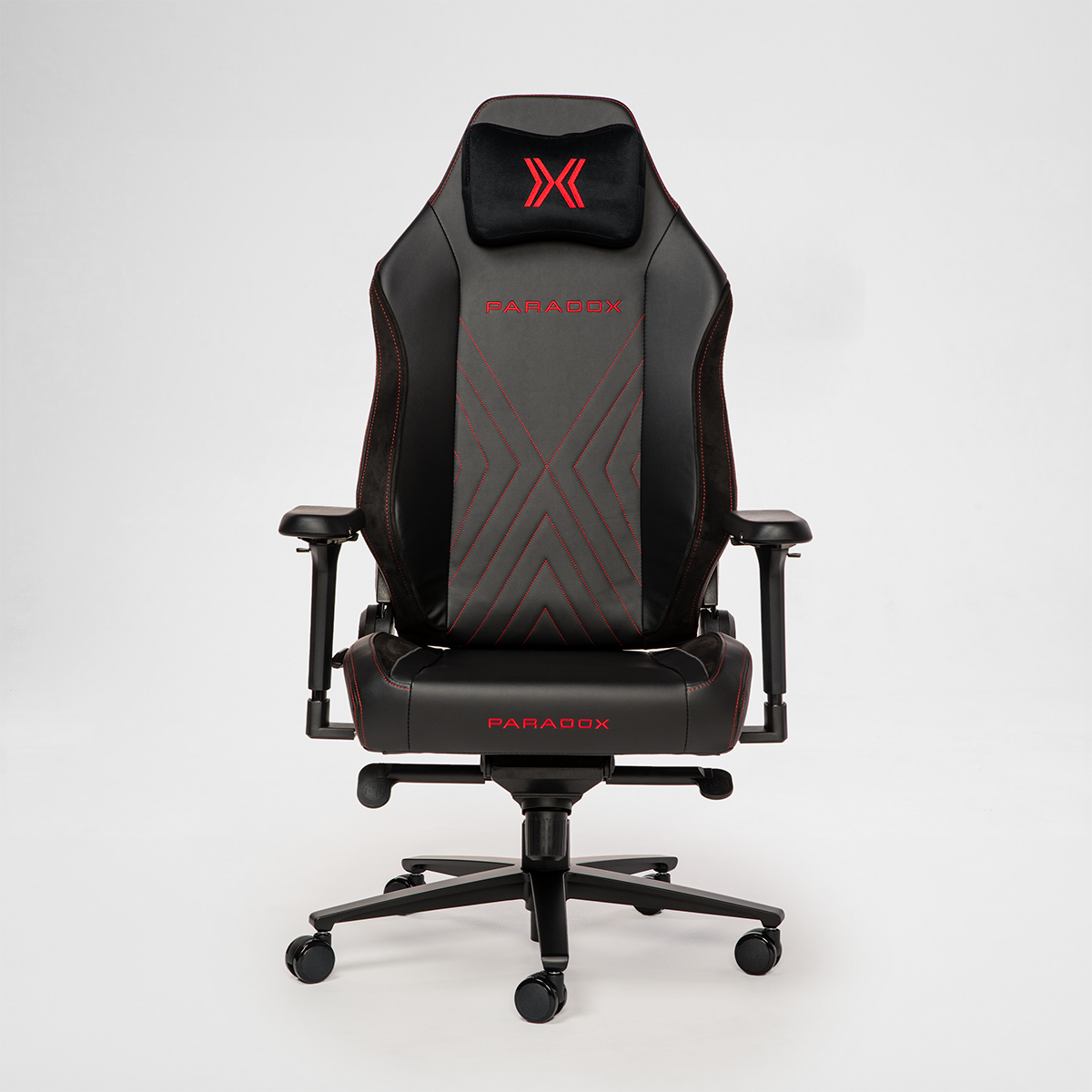
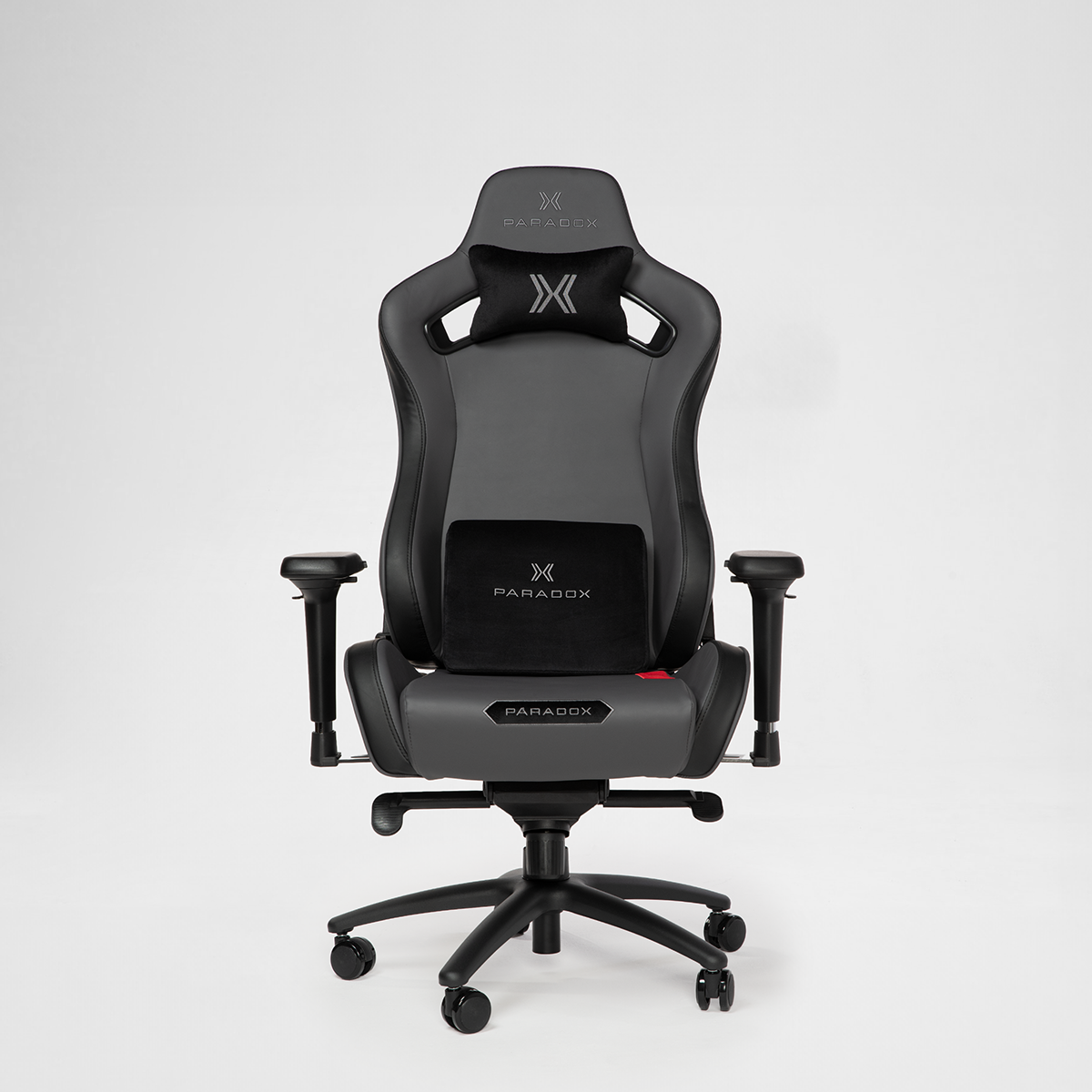
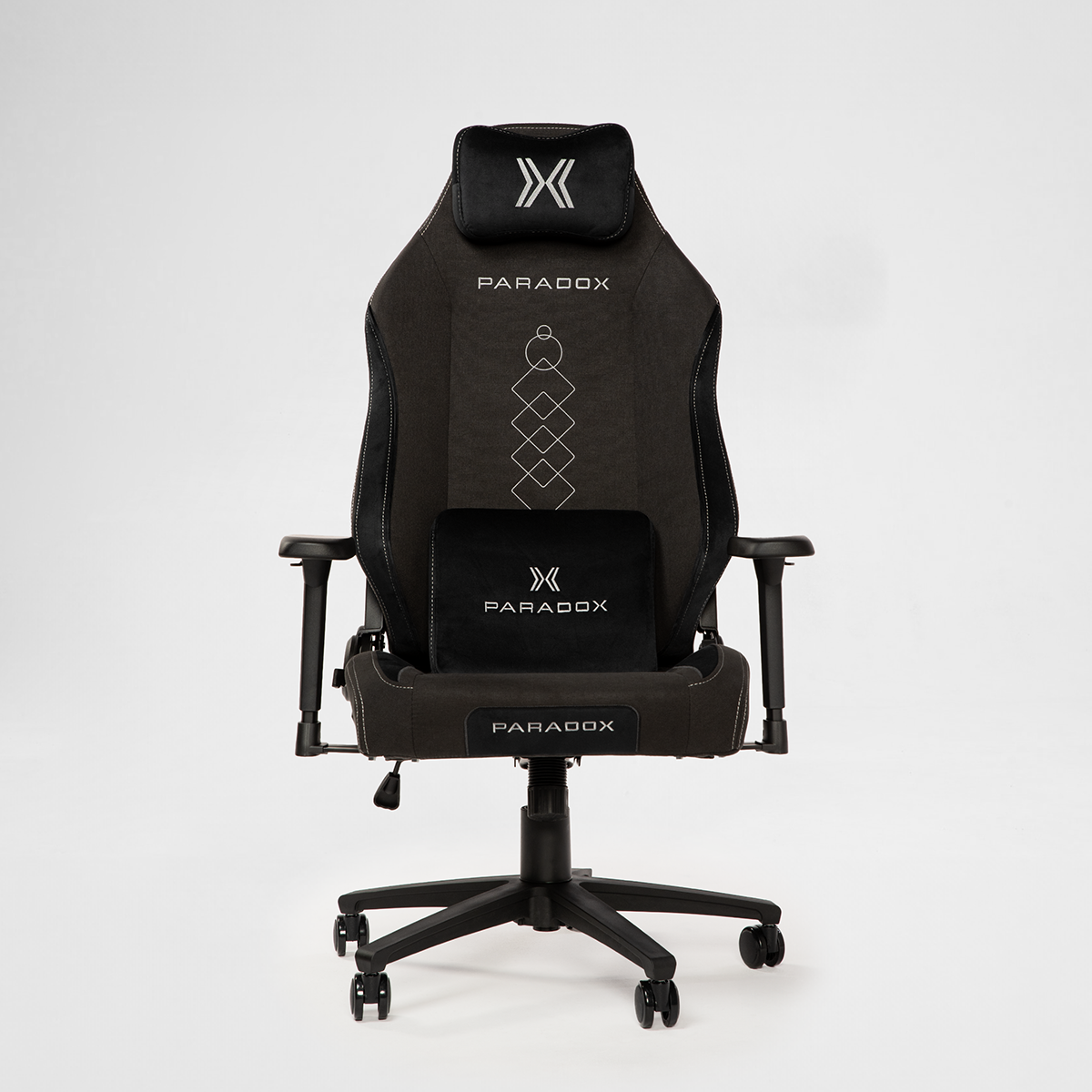
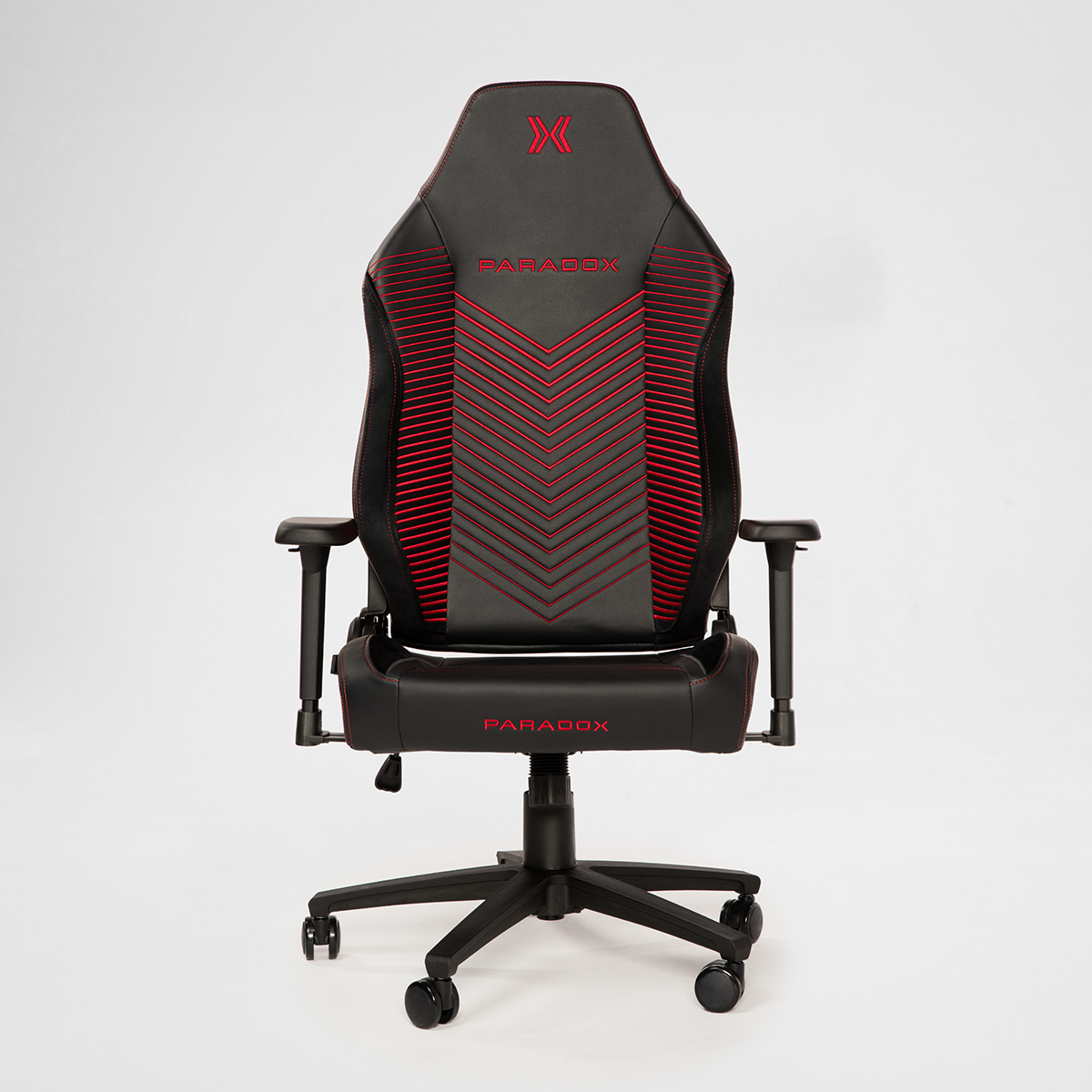
 Black
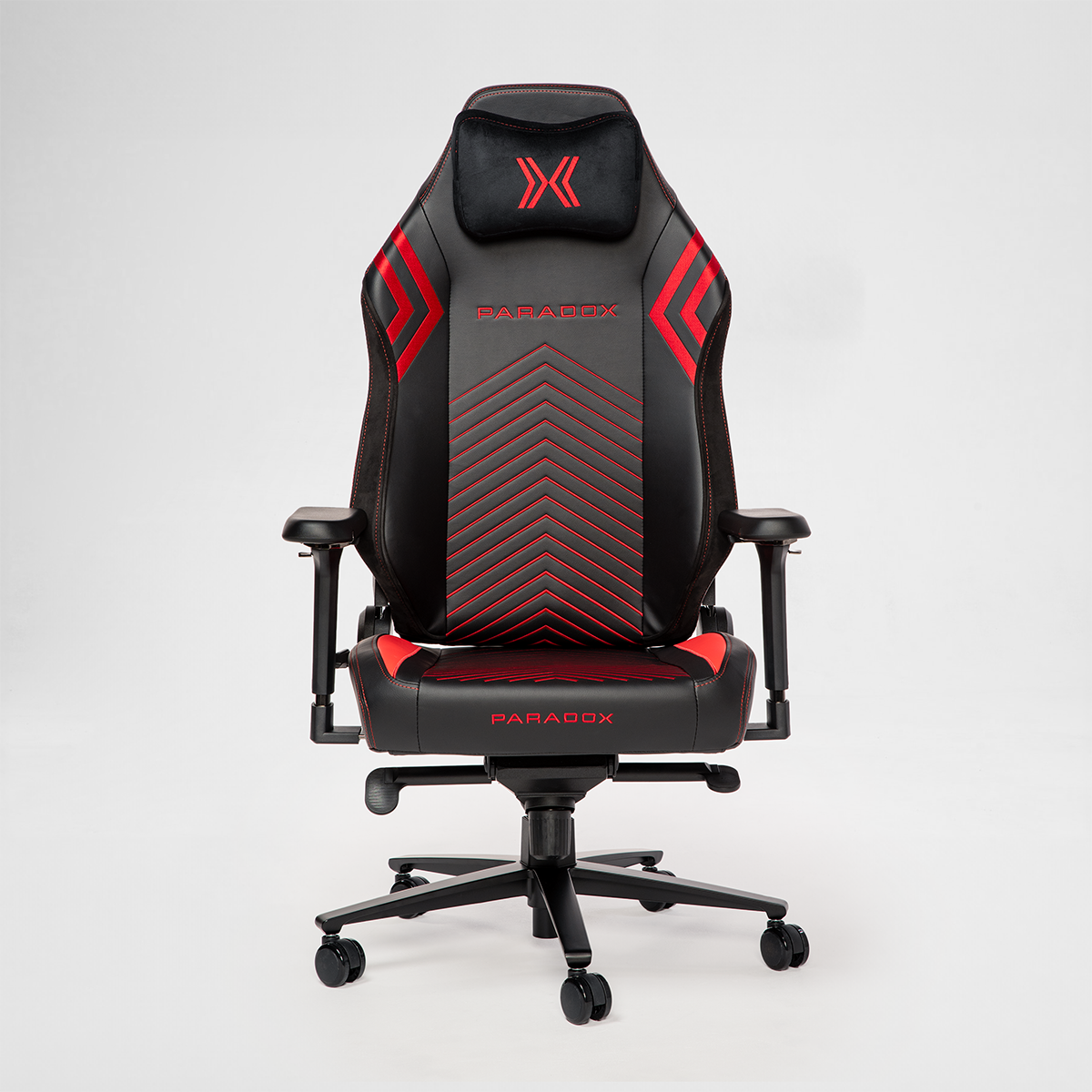
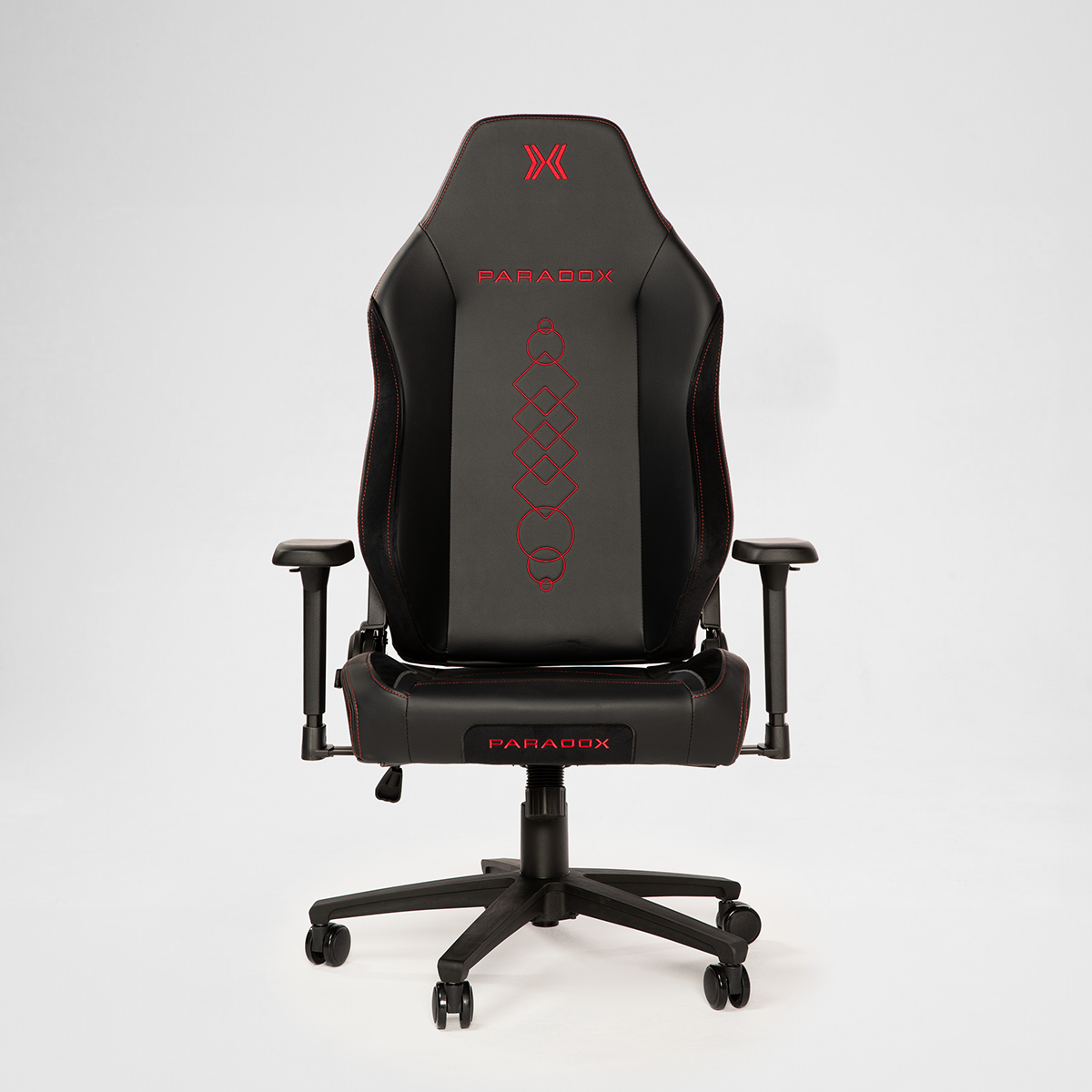
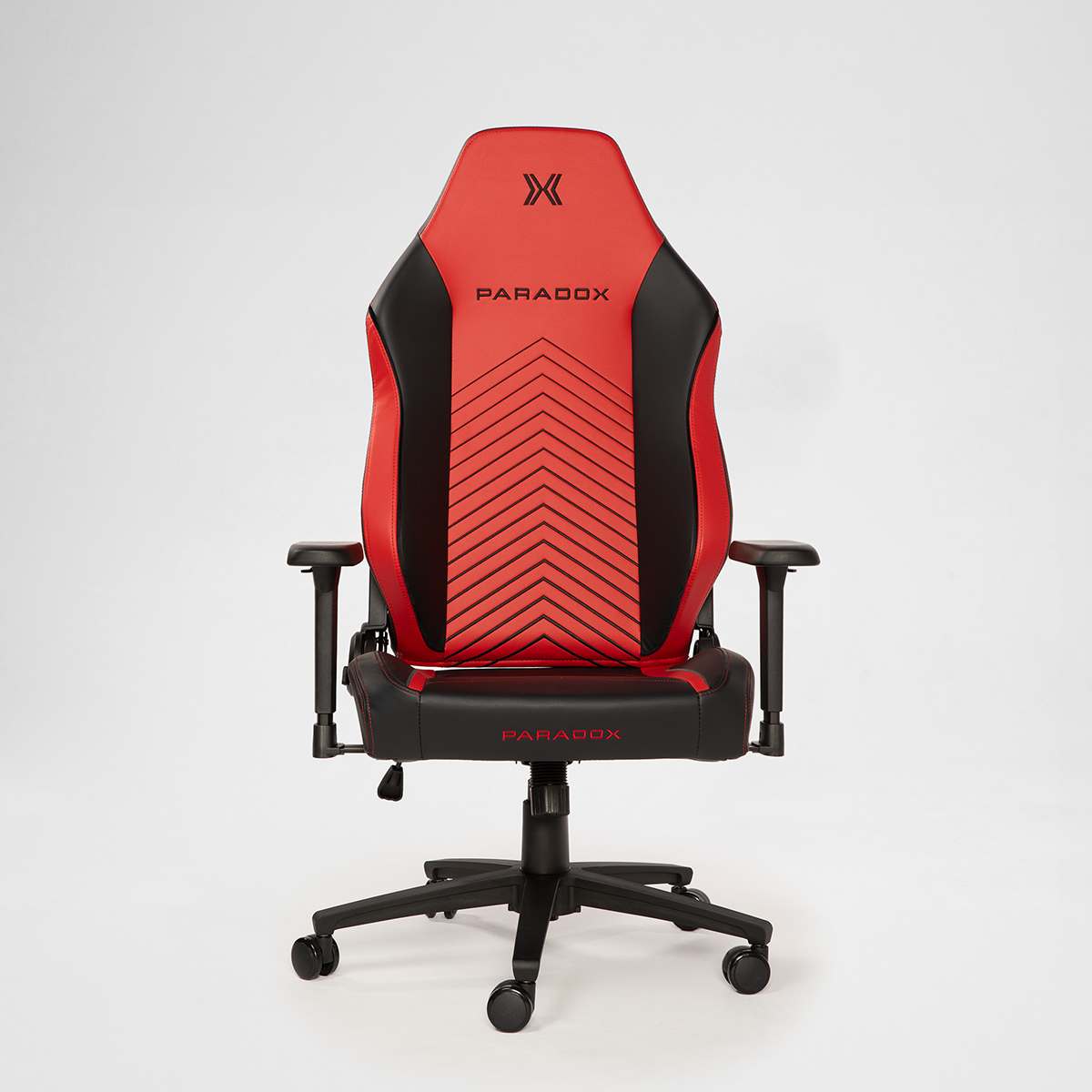
Black Red
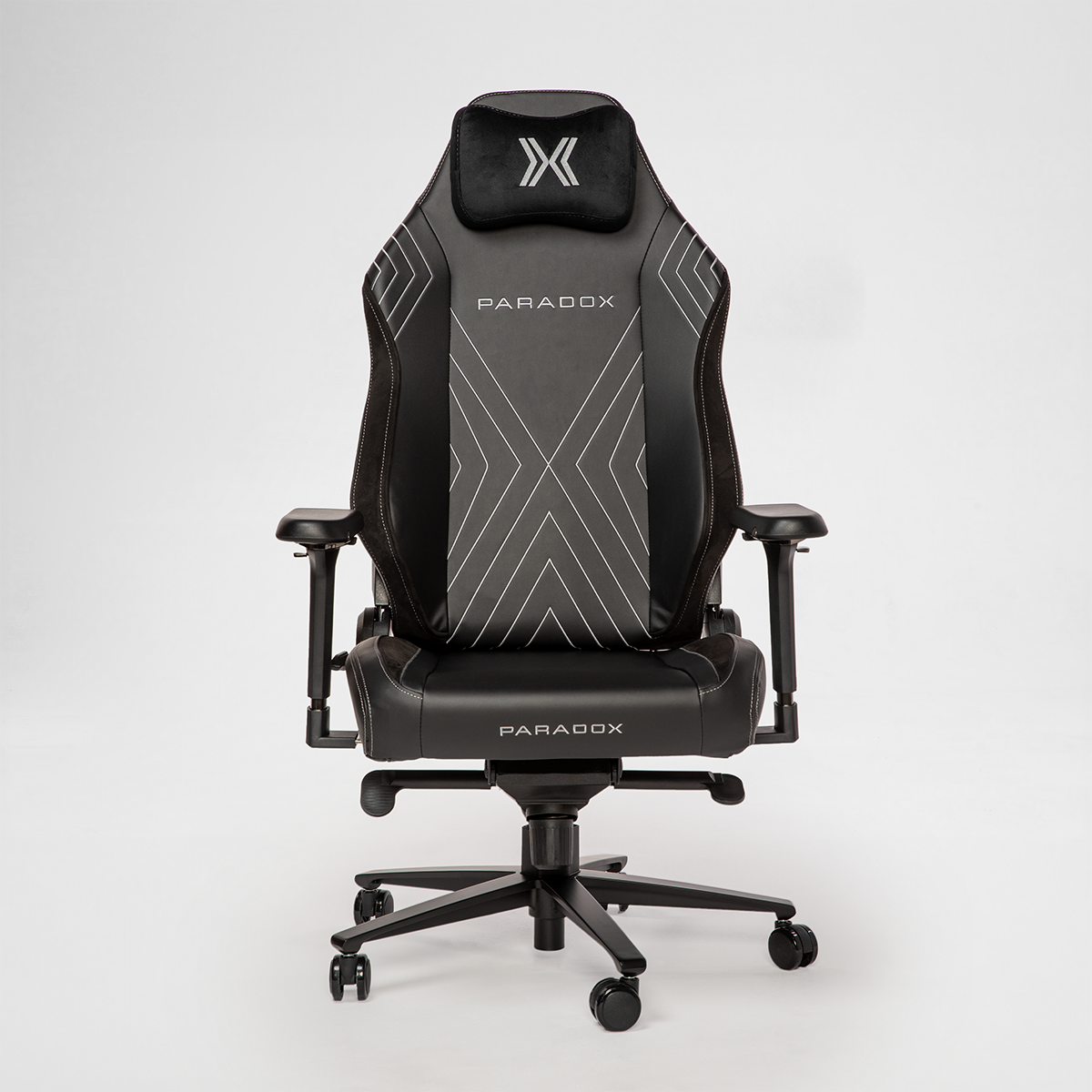
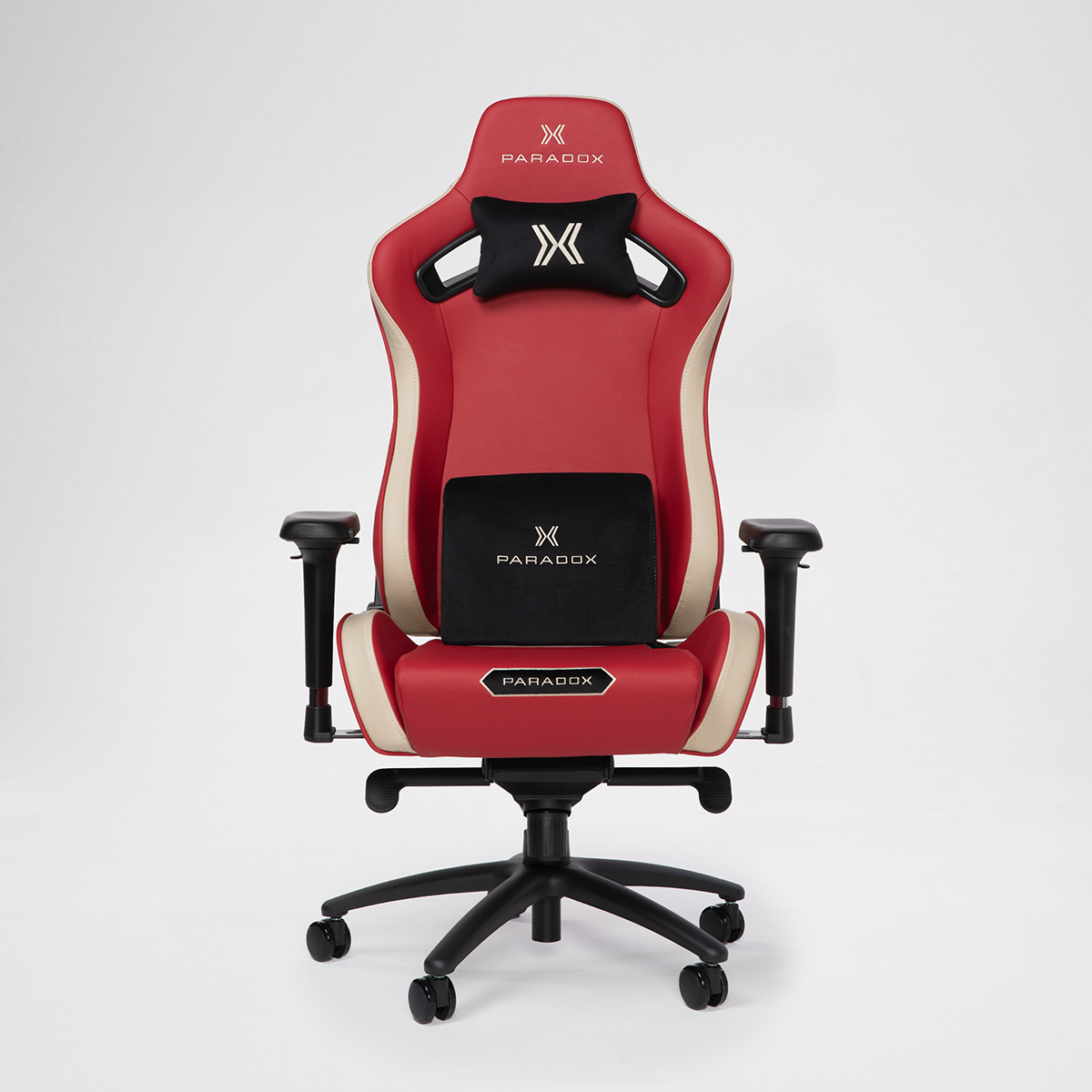
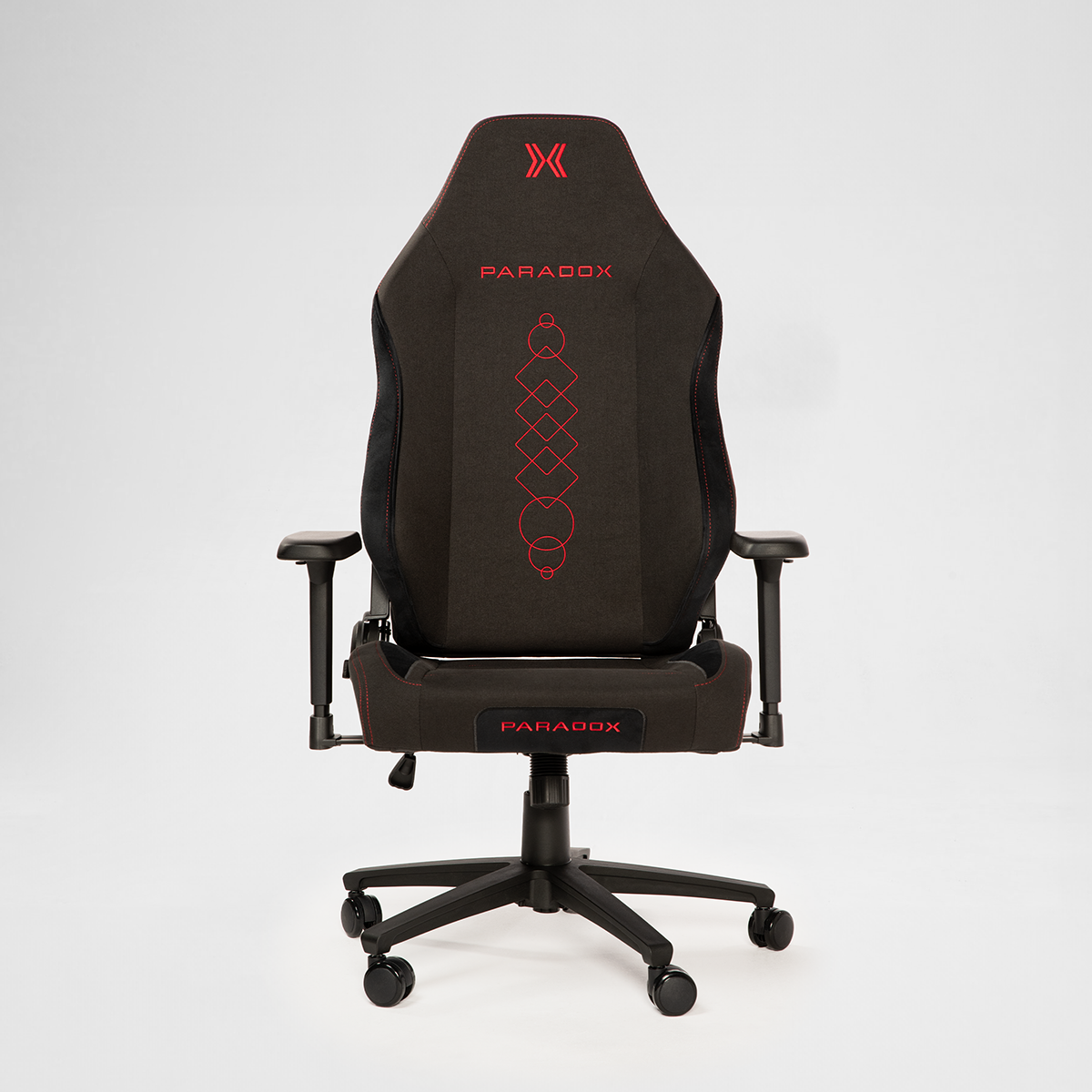
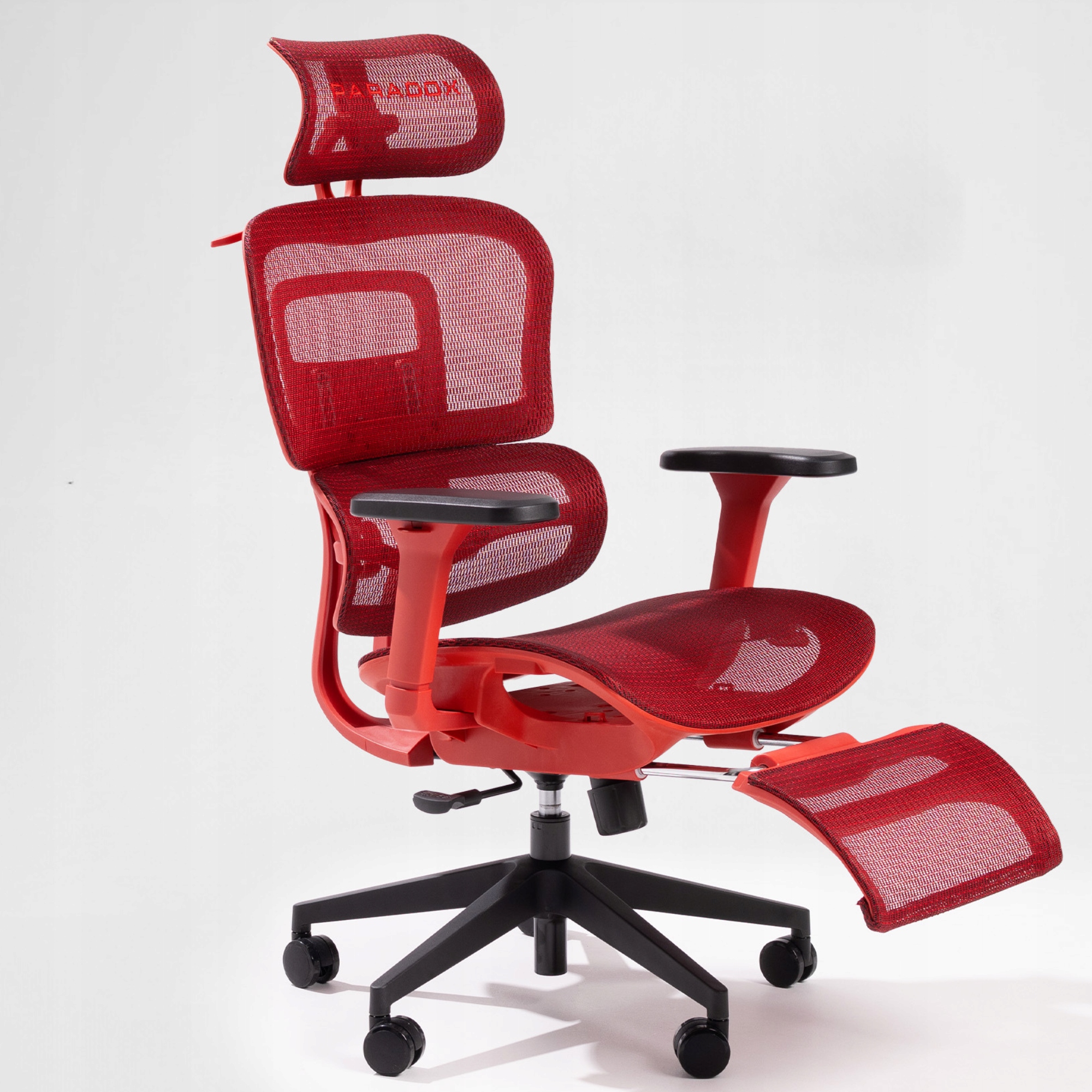
Red


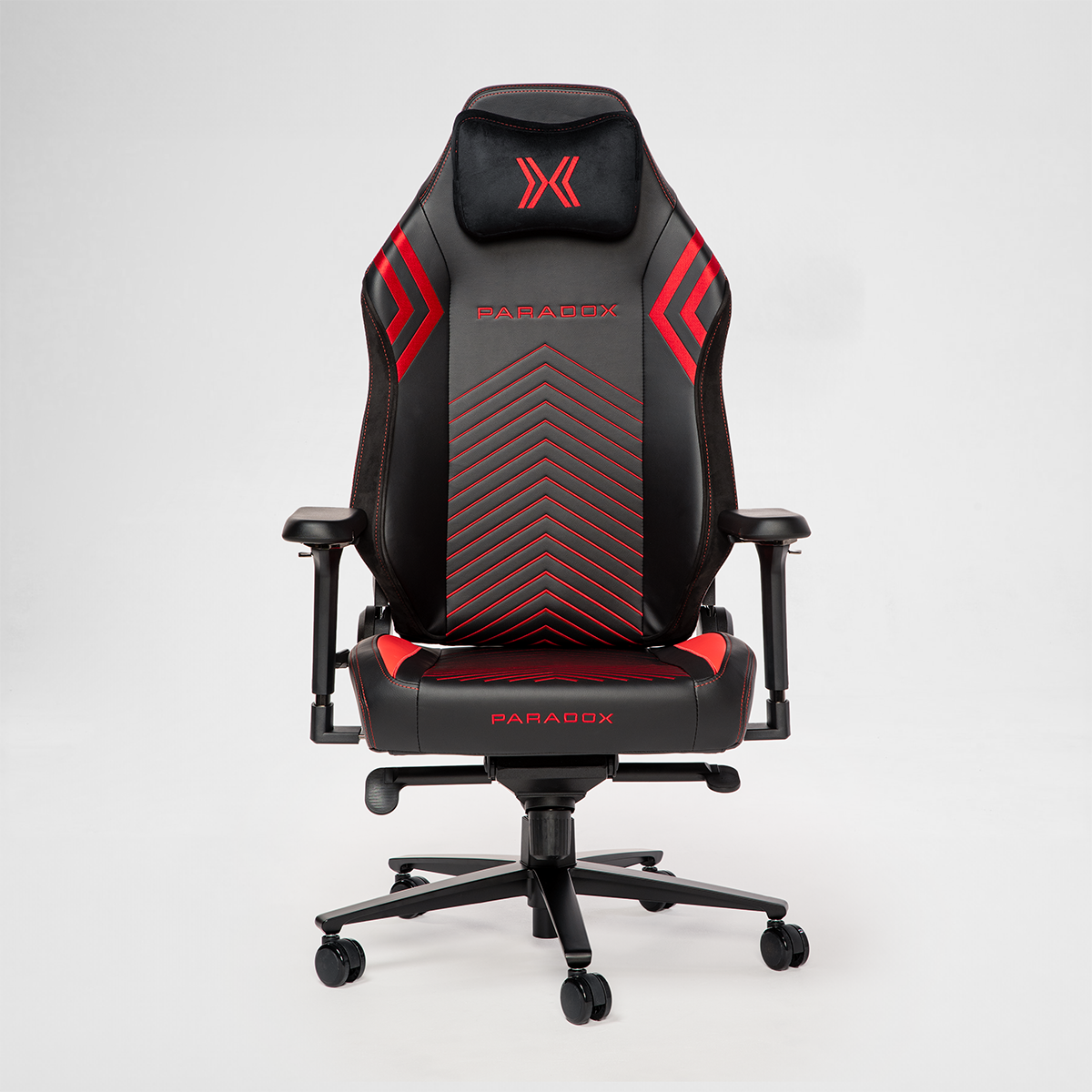
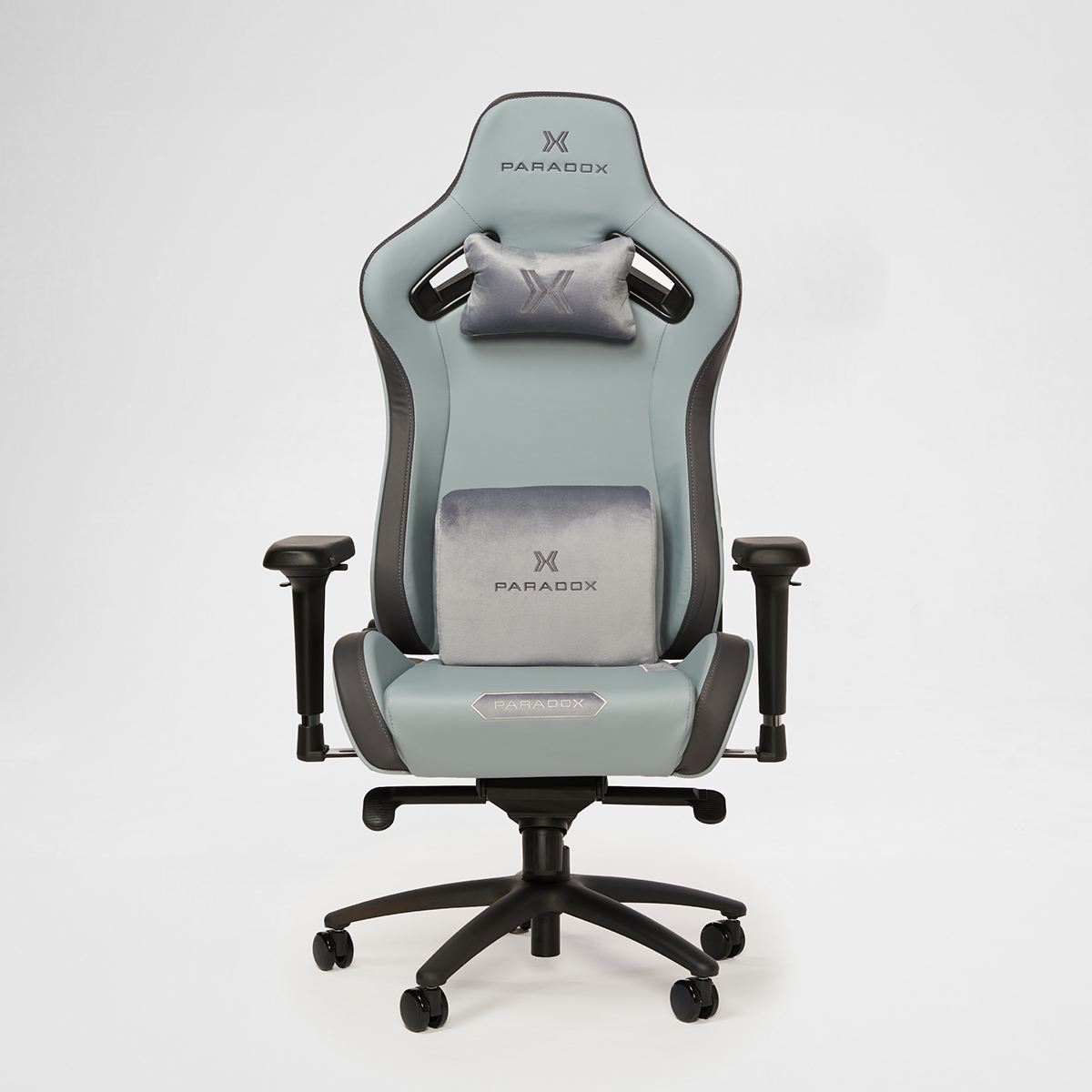
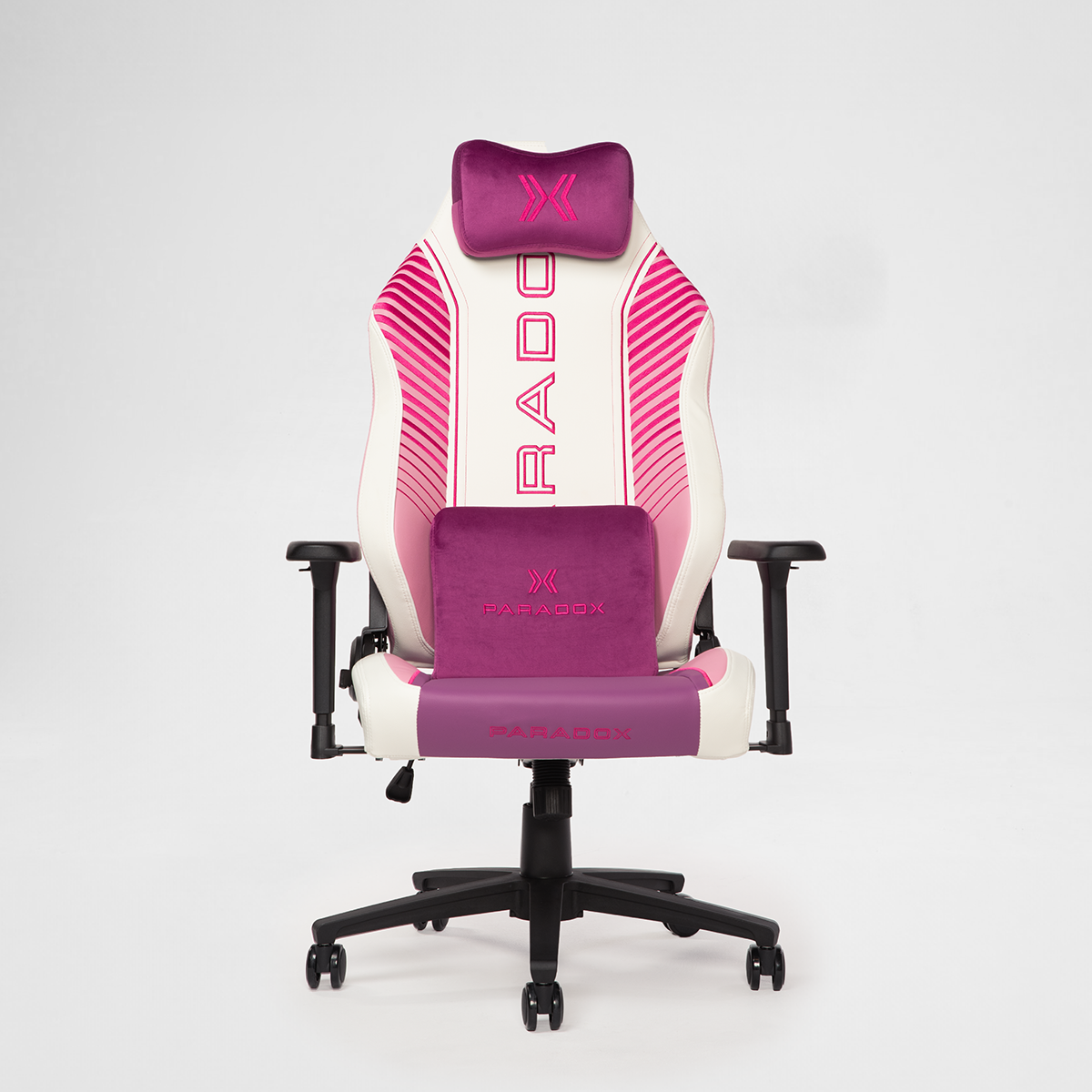
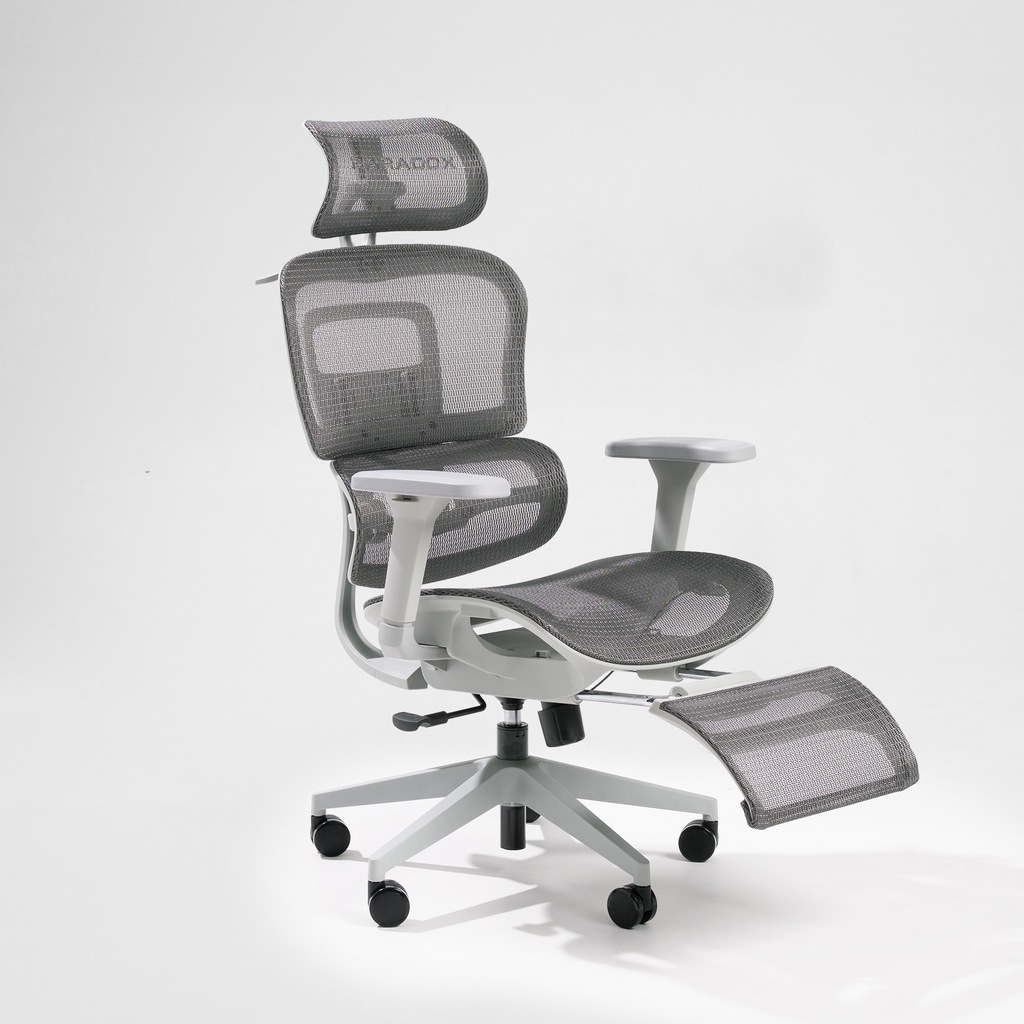
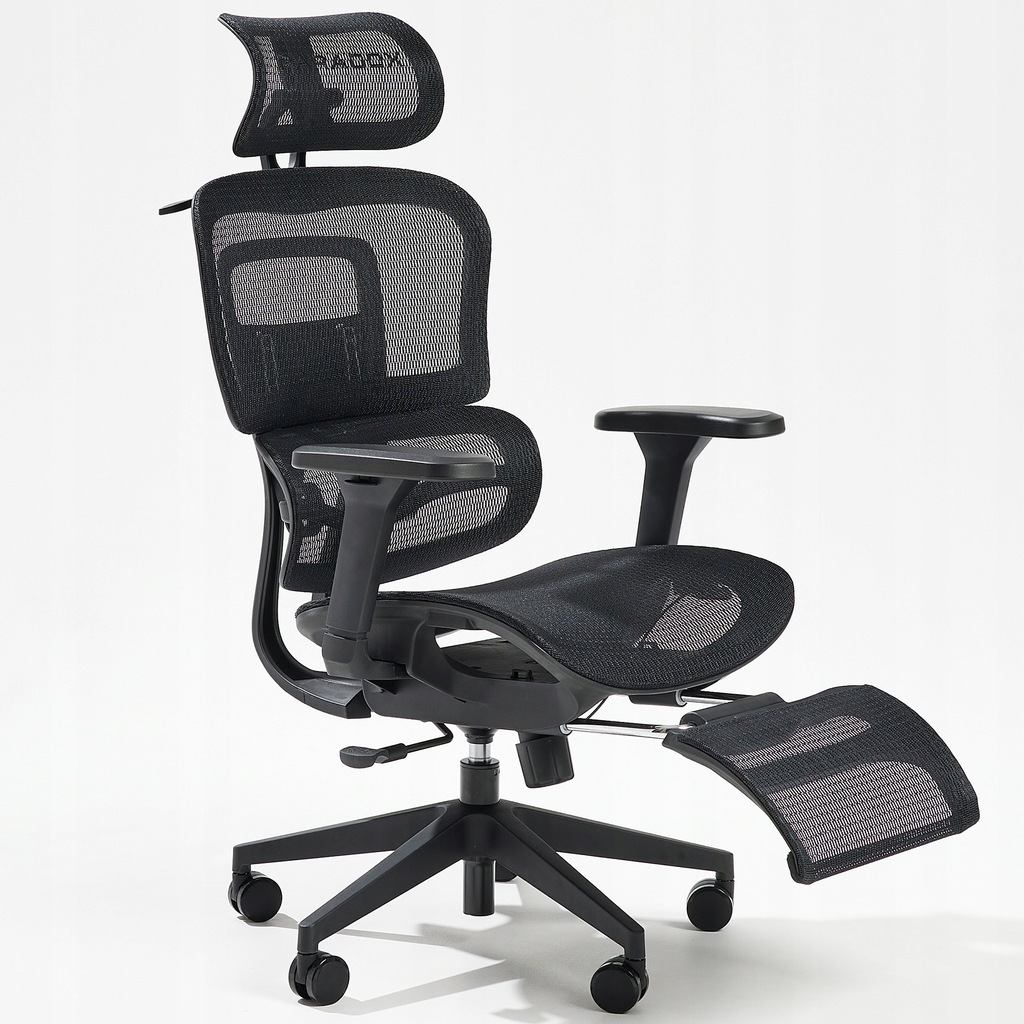
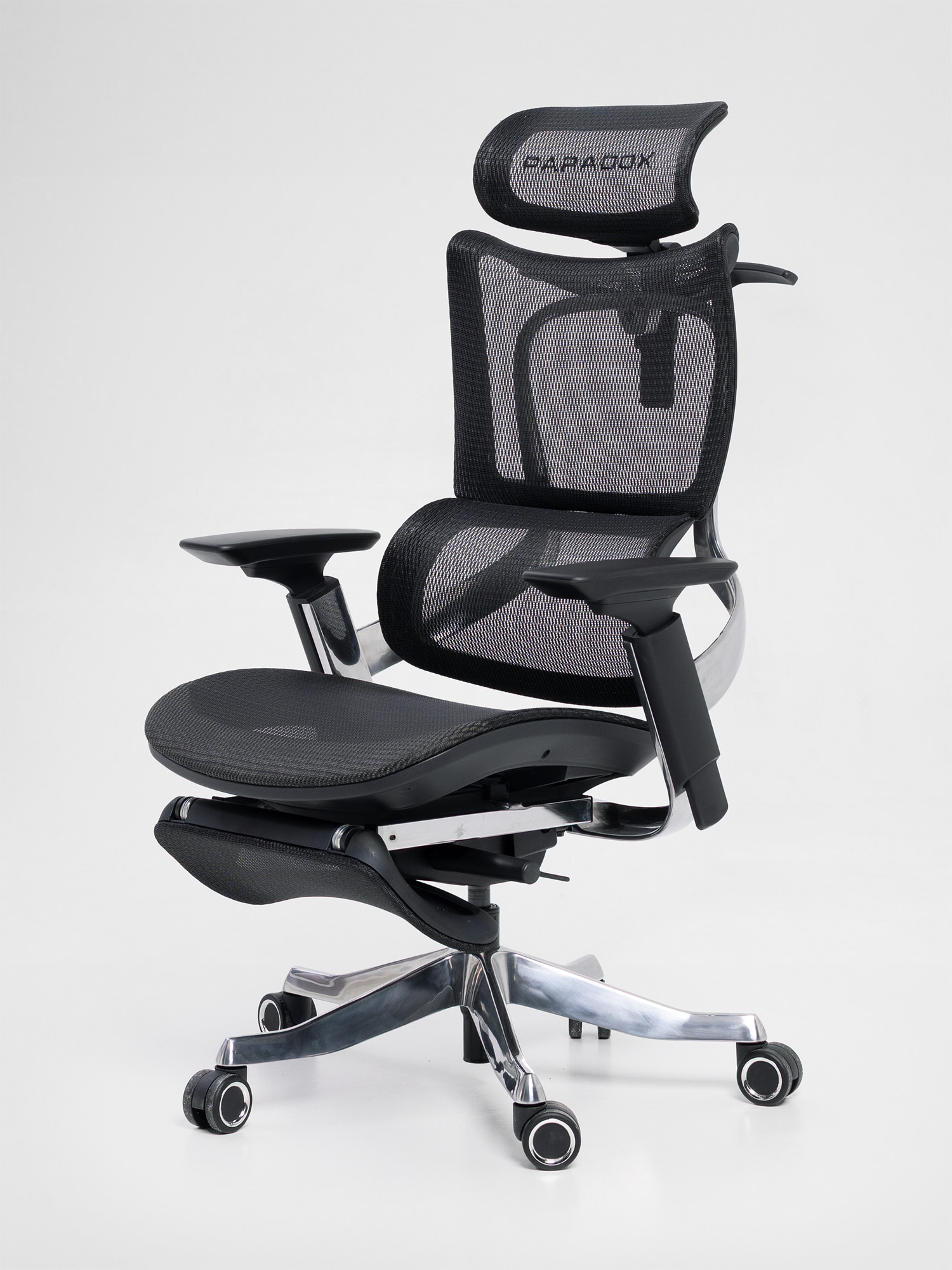
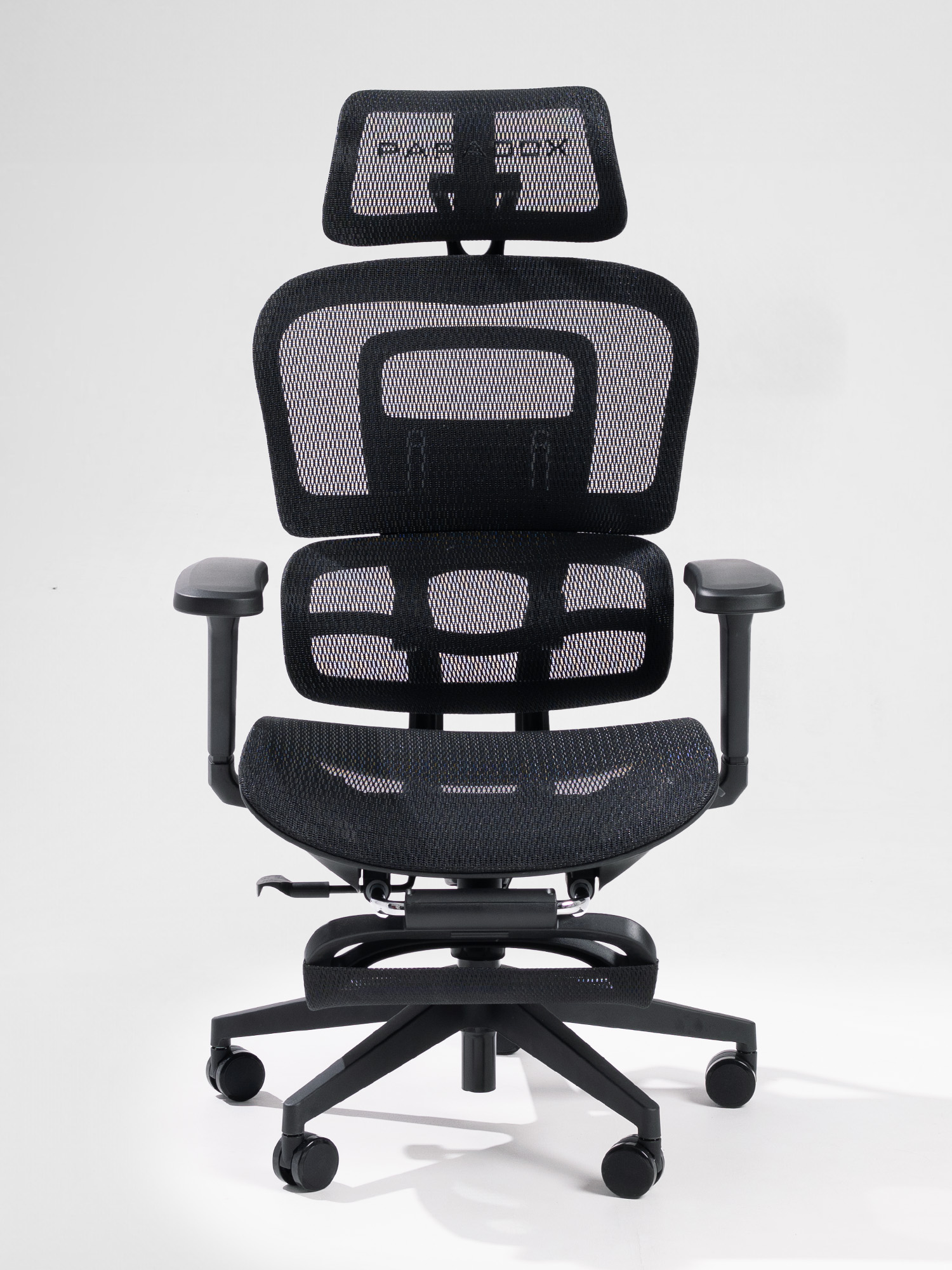
Paradox Ergo One
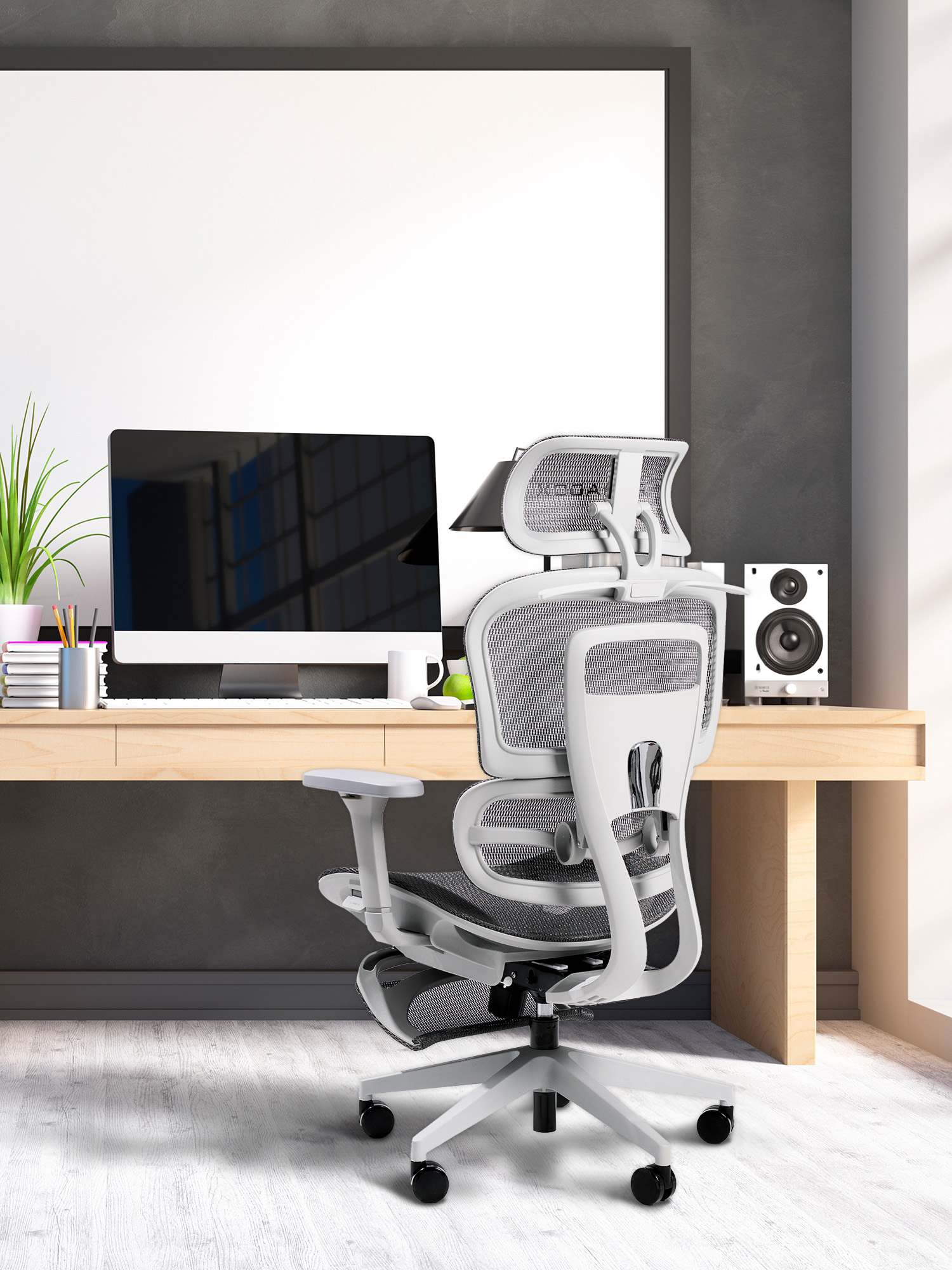
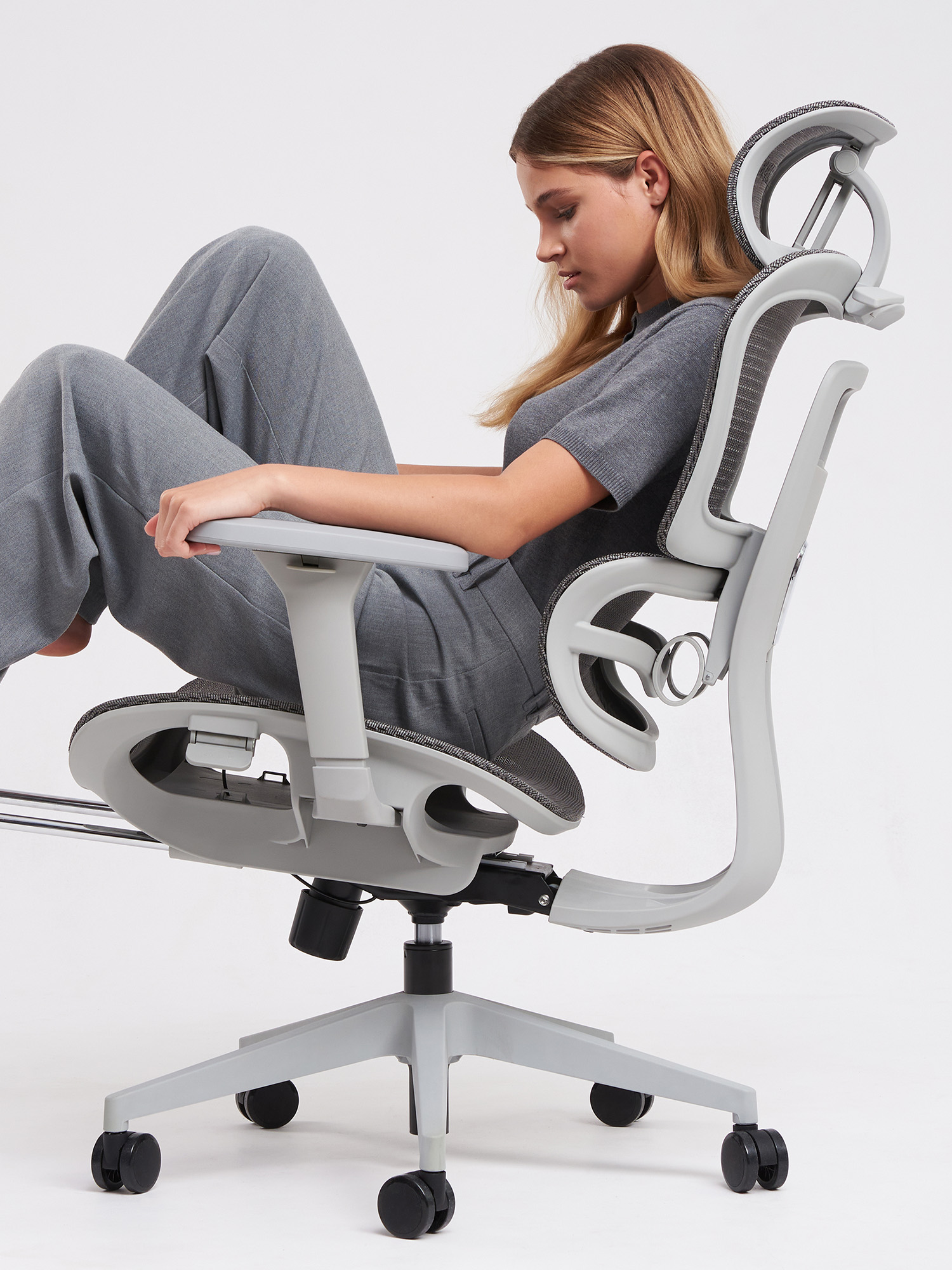
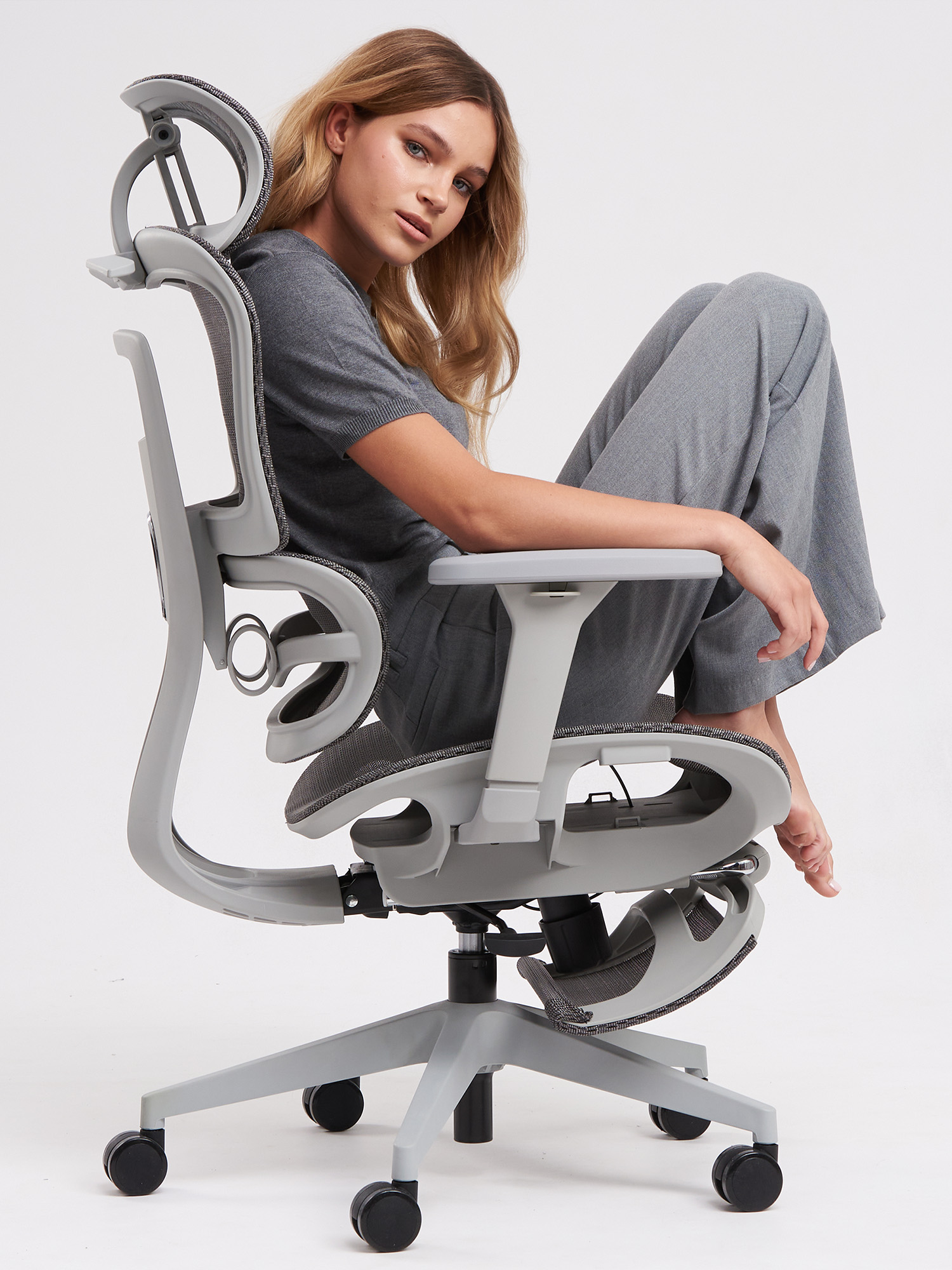
A chair with ultimate ergonomics
Eye catching design, high quality materials, and comfort during long work/play sessions.
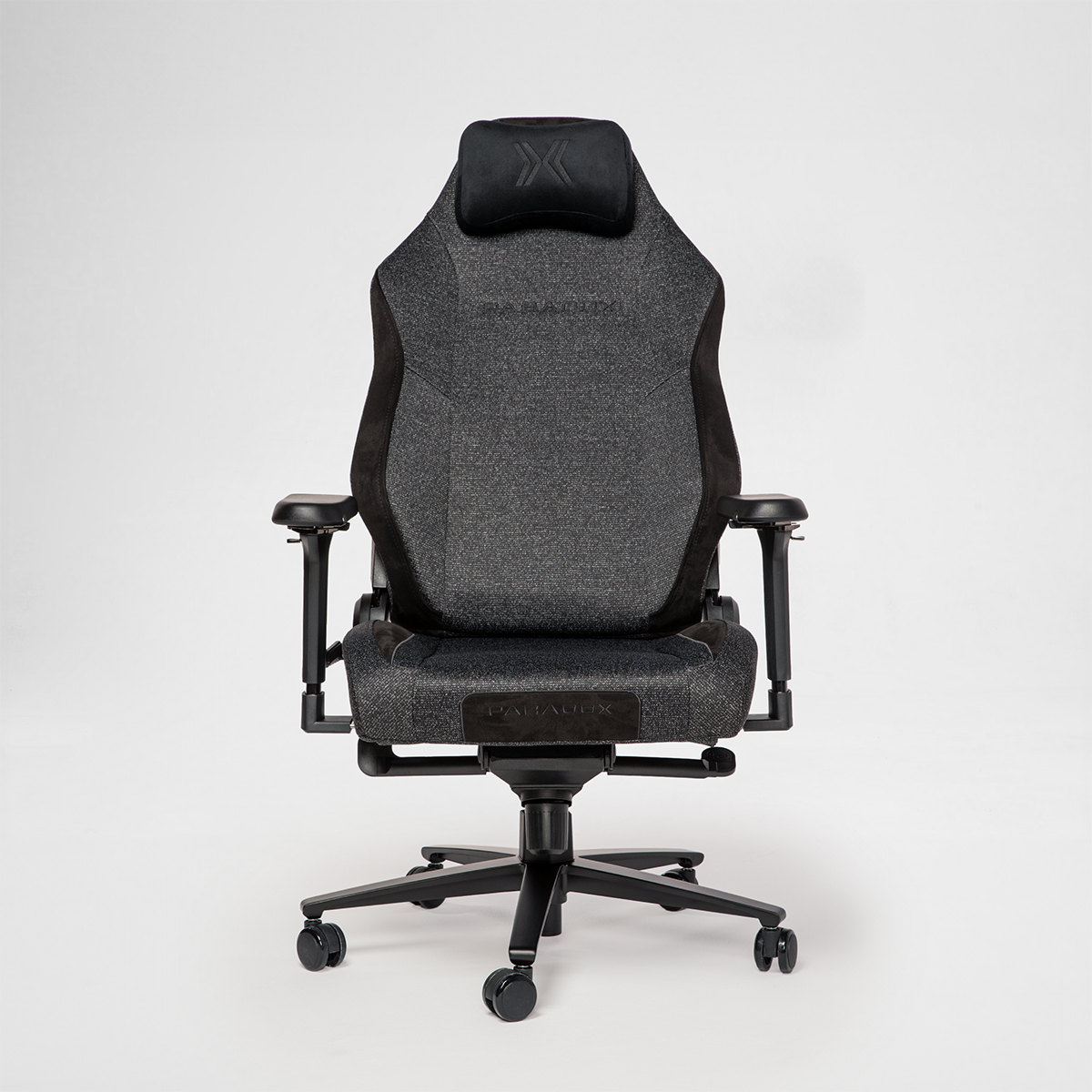
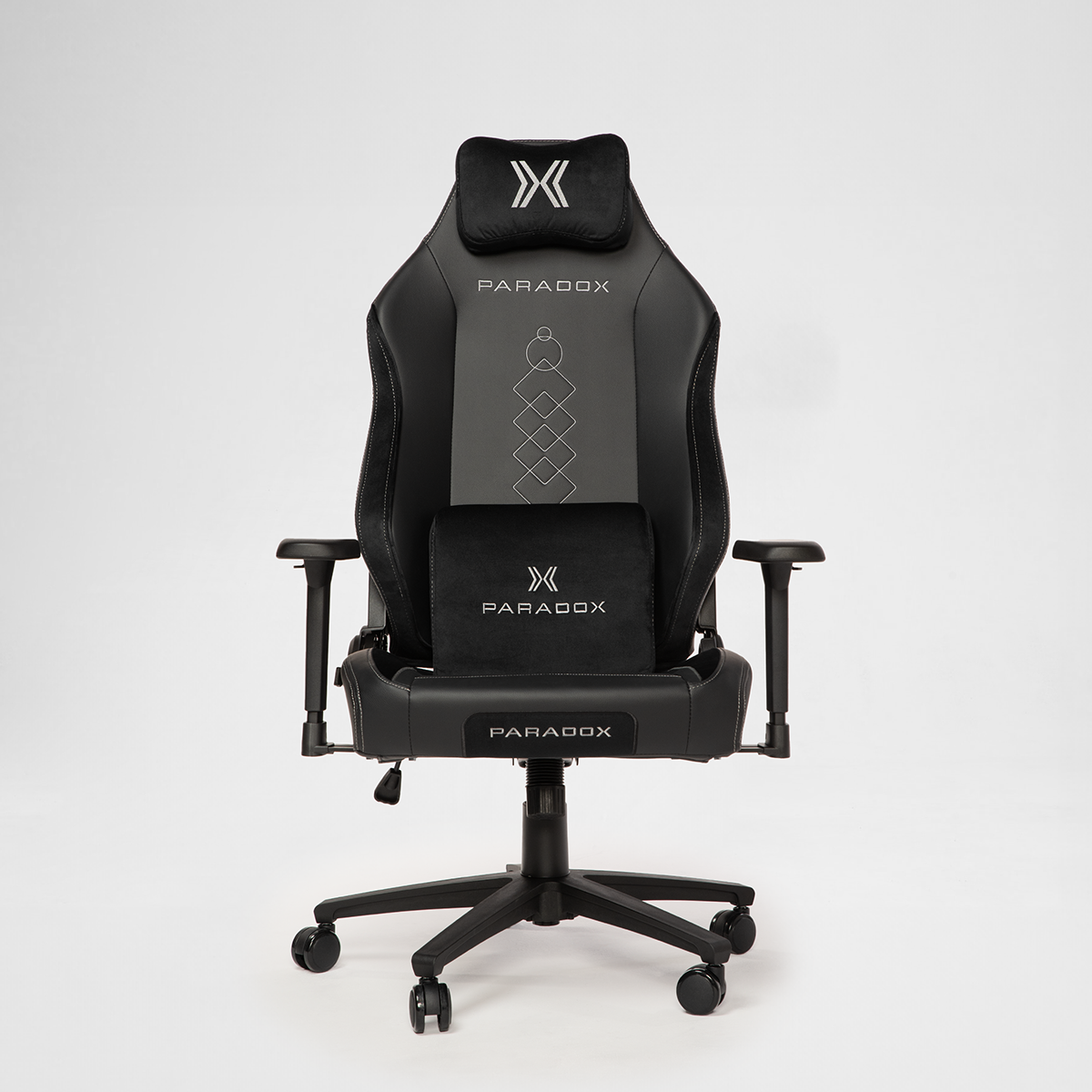
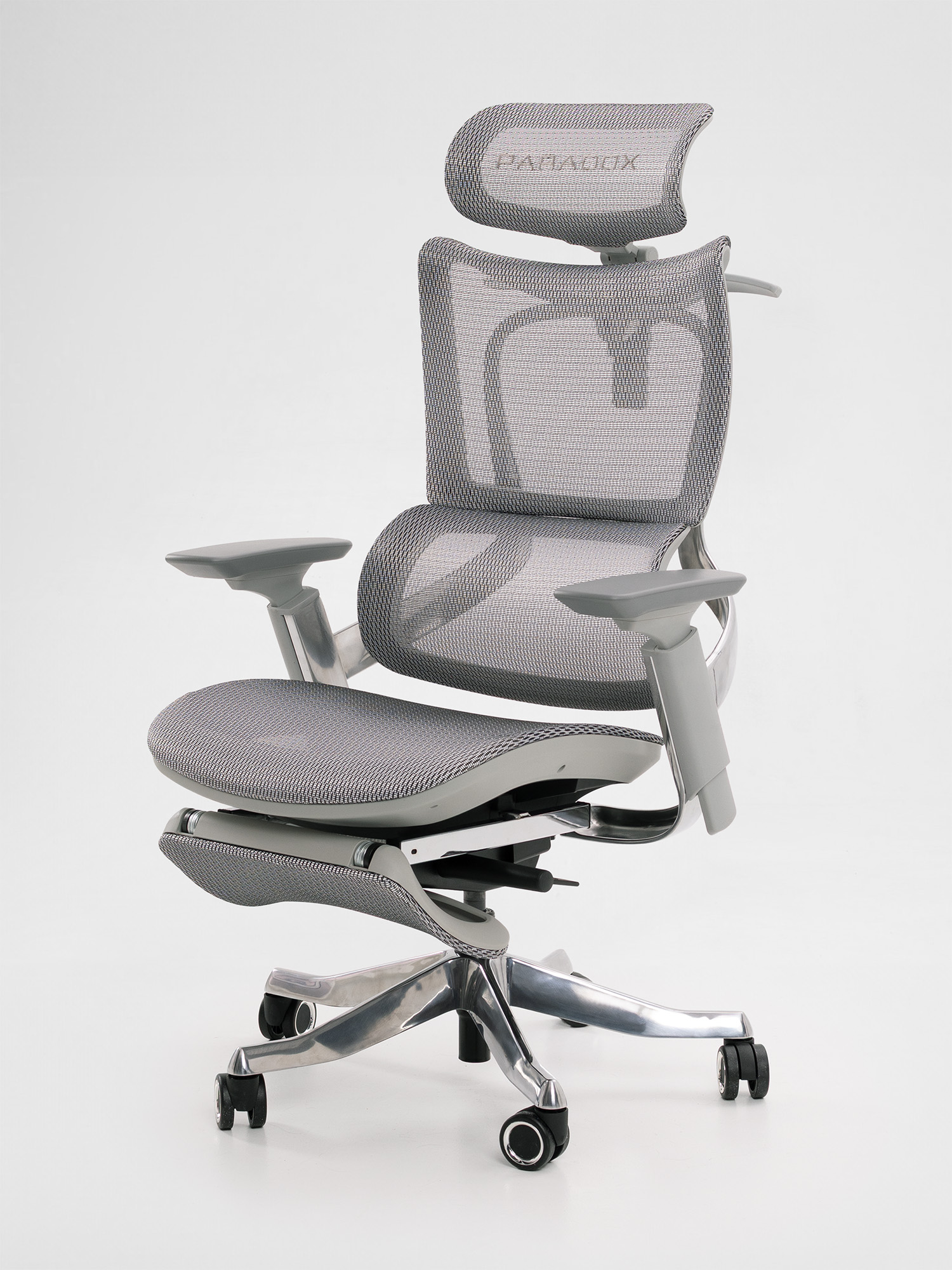
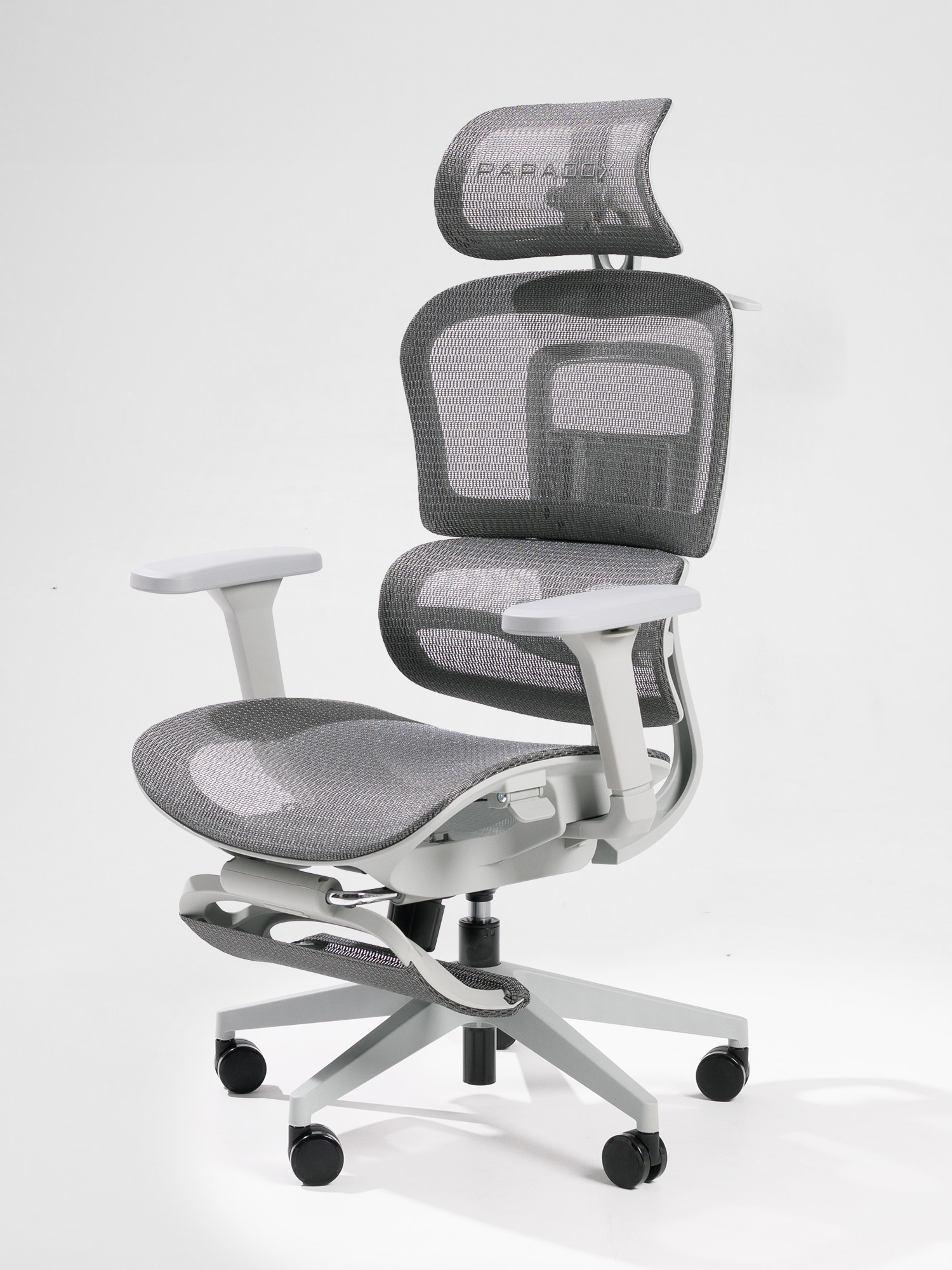
Grey – The essence of modern versatility.
Eye catching design, high quality materials, and comfort during long work/play sessions.
Grey – The essence of modern versatility.
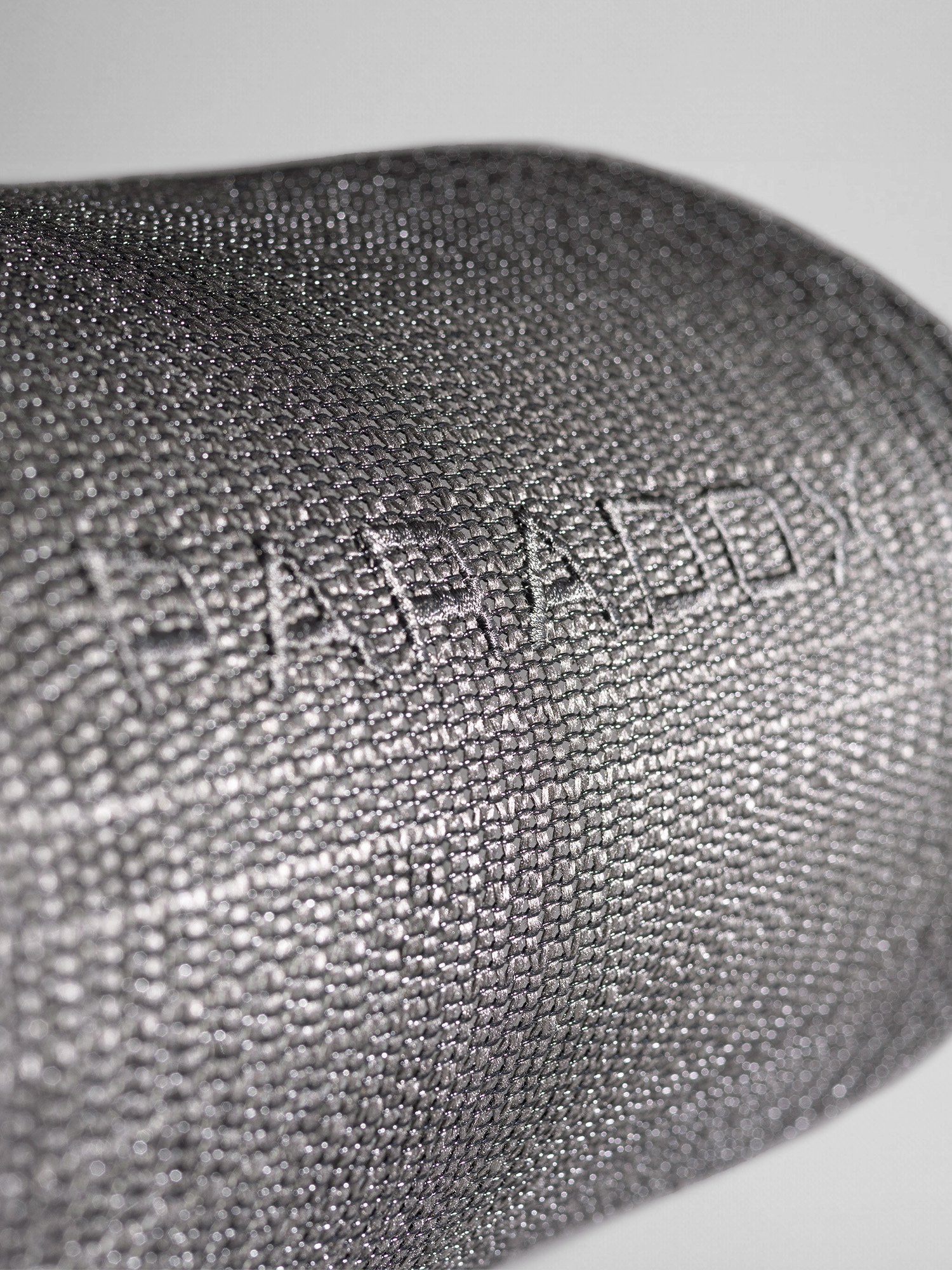
Airflow mesh

Airflow mesh
Breathability – excellent air circulation, prevents heat buildup and moisture accumulation during long sitting sessions.
Conformity and support – naturally conforms to body contours, distributing weight more evenly than rigid surfaces.
Durability – maintains tension and support for years without sagging – doesn’t absorb spills or odours like fabric upholstery
Modern aesthetic – The sleek, minimalist look fits well in contemporary office and gaming setups.
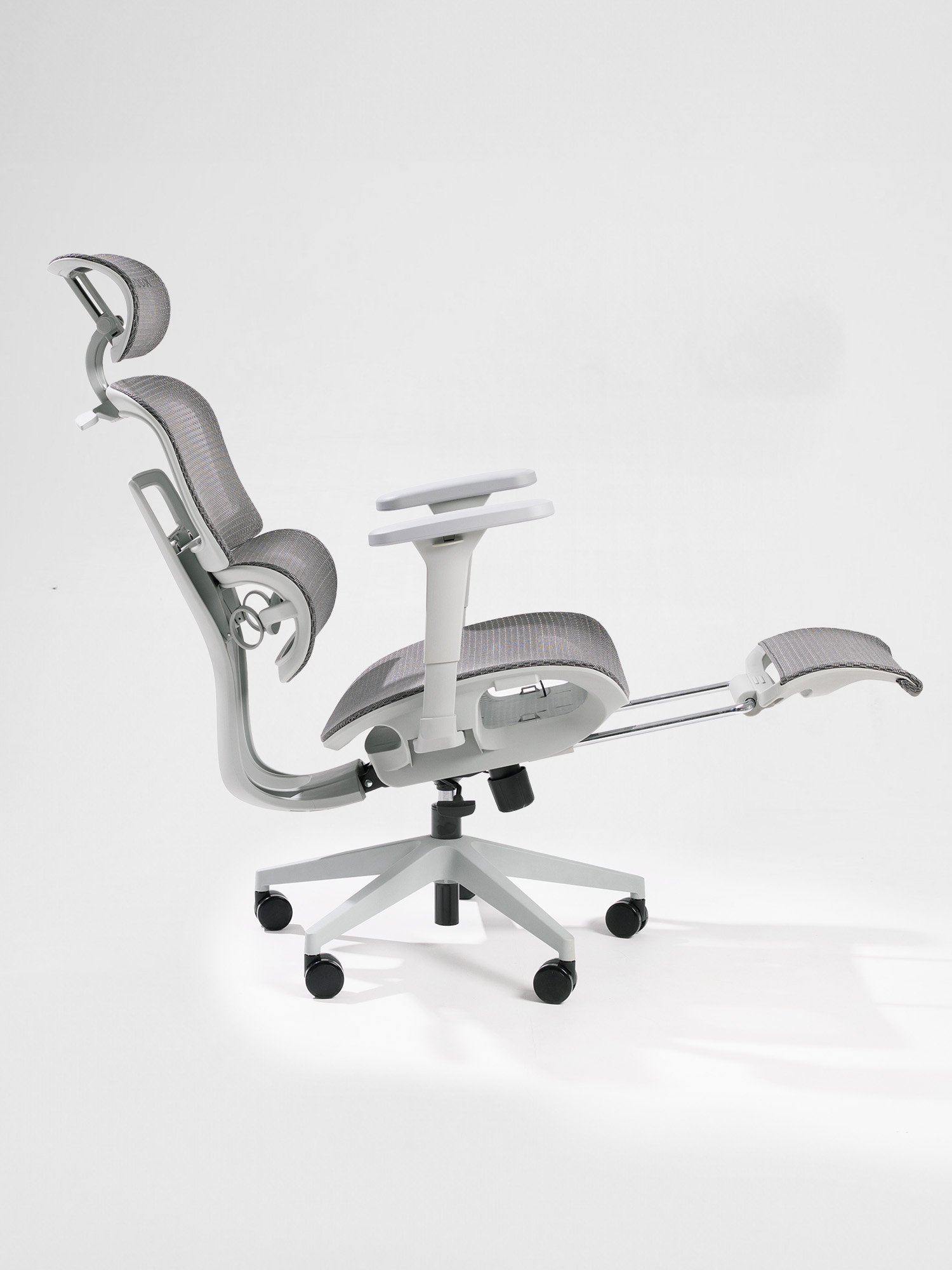
Extendable footrest ergonomic advantages

Extendable footrest ergonomic advantages
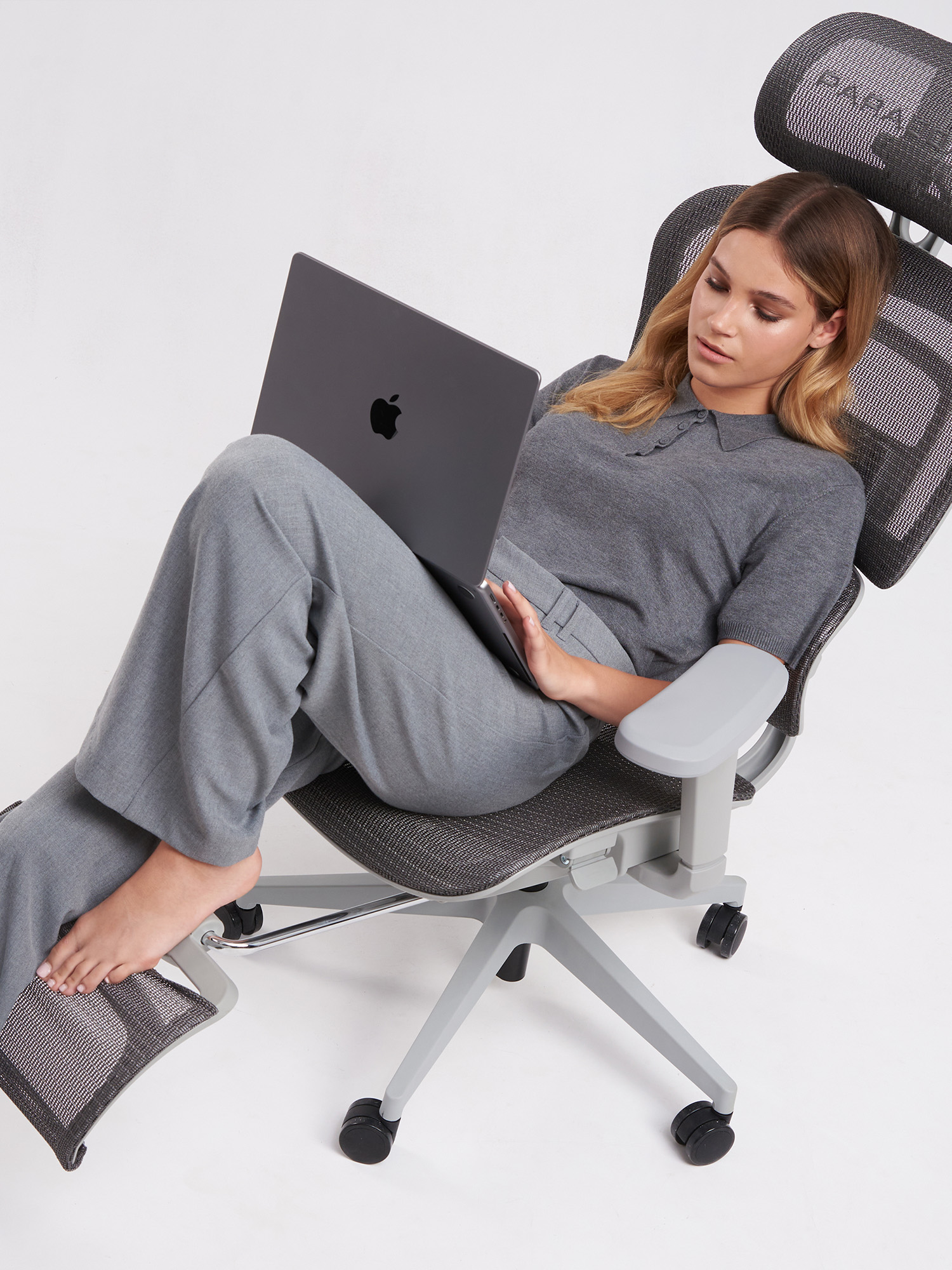
Improved circulation – Elevating legs reduces pressure on the back of thighs, promoting better blood flow during extended sitting.
Spinal alignment – When reclined with feet elevated, the footrest helps maintain a neutral spine position, reducing lower back strain. This creates a “zero gravity” effect that many find therapeutic.
Versatility – Transforms the chair from pure work mode to relaxation mode, allowing brief (or extended) rest periods without leaving the workstation. Particularly valuable for professionals between intensive tasks or gamers during loading screens.
180,000 unique seating positions
7 distinct adjustment mechanisms: We’re offering what ergonomists call “anthropometric accommodation” – the ability to fit the 5th to 95th percentile of body types. This isn’t just marketing; it’s solving real pain points that single-size solutions create.
Synergistic adjustments:
The power trio – Seat slide + backrest height + headrest adjustment work together to accommodate torso length variations. Someone 160cm and someone 195cm can both achieve proper lumbar support and head positioning.
Dynamic positioning – 4D armrests + backrest recline allow users to shift between tasks: upright for intensive work, slightly reclined for reading, fully reclined for breaks. Each position maintains proper support.
Micro-adjustments matter – Those 13 backrest height clicks aren’t overkill. The difference between lumbar support hitting L3 versus L4 vertebrae can mean the difference between comfort and chronic pain.


180,000 unique seating positions
7 distinct adjustment mechanisms: We’re offering what ergonomists call “anthropometric accommodation” – the ability to fit the 5th to 95th percentile of body types. This isn’t just marketing; it’s solving real pain points that single-size solutions create.
Synergistic adjustments:
The power trio – Seat slide + backrest height + headrest adjustment work together to accommodate torso length variations. Someone 160cm and someone 195cm can both achieve proper lumbar support and head positioning.
Dynamic positioning – 4D armrests + backrest recline allow users to shift between tasks: upright for intensive work, slightly reclined for reading, fully reclined for breaks. Each position maintains proper support.
Micro-adjustments matter – Those 13 backrest height clicks aren’t overkill. The difference between lumbar support hitting L3 versus L4 vertebrae can mean the difference between comfort and chronic pain.
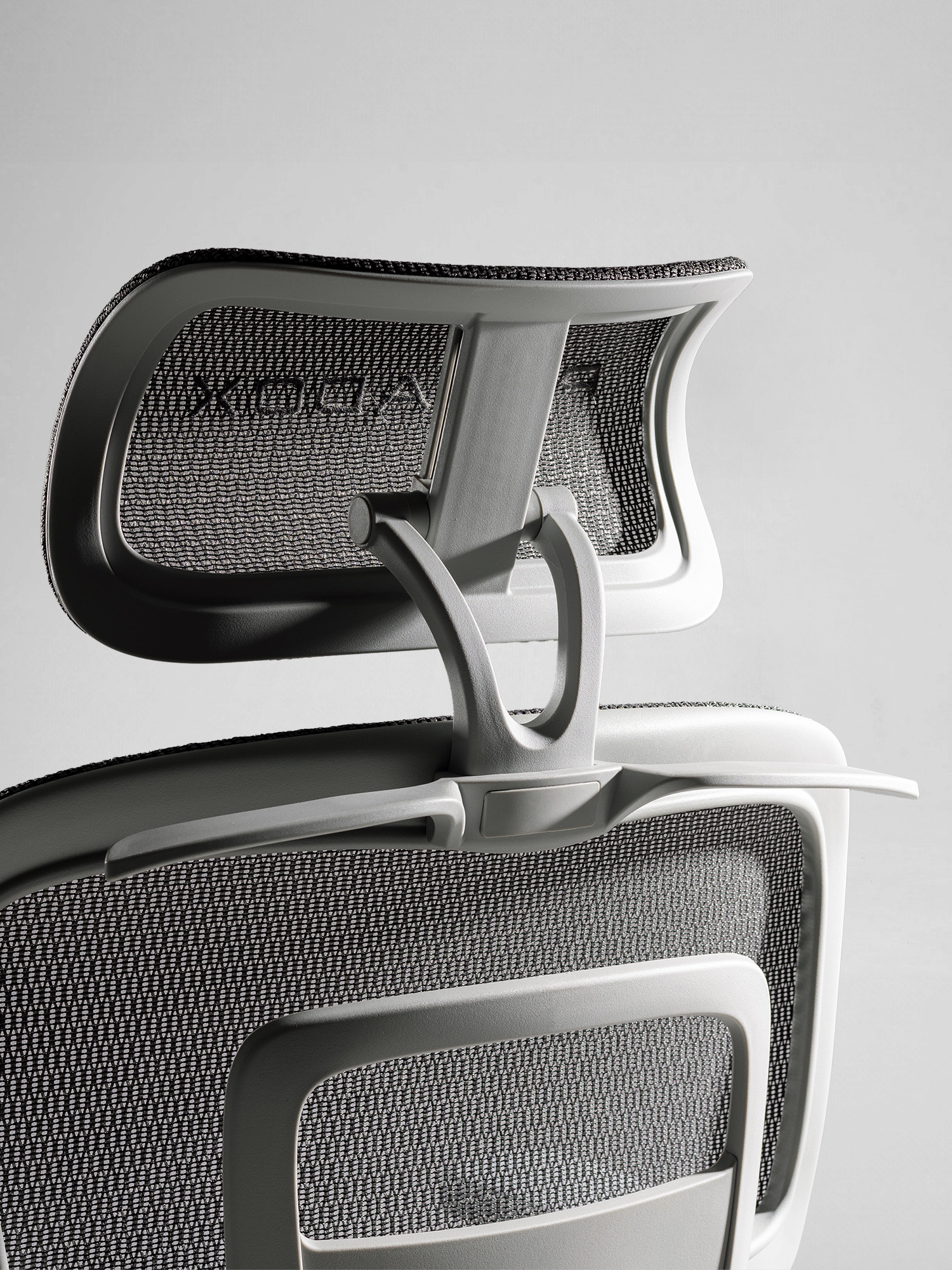
Headrest adjustament


Headrest adjustament
There’s something deeply satisfying about having head support exactly where you want it.
2D headrest is the often overlooked game-changer. Height + angle adjustment solves the fundamental problem of fixed headrests: forcing users to adapt their posture to the chair rather than the reverse.
Upright angle is for active work – supports cervical spine without pushing head forward. Tilted angle is for reclined positions. Height adjustment ensures support hits the occipital bone, not the neck (which causes tension).
Proper headrest positioning naturally encourages users to lean back occasionally, breaking the “forward head” posture that causes chronic neck pain in desk workers.
Executive presence: There’s a reason CEO chairs always have prominent headrests while entry-level task chairs don’t.
Adjustable lumbar support

Adjustable lumbar support
The S-curve truth: The spine isn’t straight – it has a natural inward curve at L3-L5 vertebrae. Without support here, we automatically slouch, causing disc compression and muscle fatigue. Proper lumbar support maintains this curve effortlessly.
The “invisible comfort” paradox: Good lumbar support is felt by NOT feeling it – your back simply doesn’t hurt after 8 hours.
We’ve got you-r lower back.


Adjustable backrest

Adjustable backrest
From 165 to 195cm users, everyone needs different backrest height. It’s our most democratic feature – the great equalizer.
Adjustment criticality: Those 13 backrest height positions we offer? This is primarily about lumbar support placement.
The difference between supporting L3 versus L4 can transform the chair from “okey” to “perfect”
Height adjustable seat

Height adjustable seat
Without proper seat height adjustment, notting else matters.
Desk relationship: Height adjustment is about achieving proper elbow angle (90-110 degrees) relative to desk surface – this prevents shoulder hiking and wrist strain.The 90-degree rule: Feet flat on floor, knees at 90 degrees.
Gas cylinder quality: Smooth, stable adjustment without drift or wobble – for users up to 135kg!
Synchro-tilt mechanism
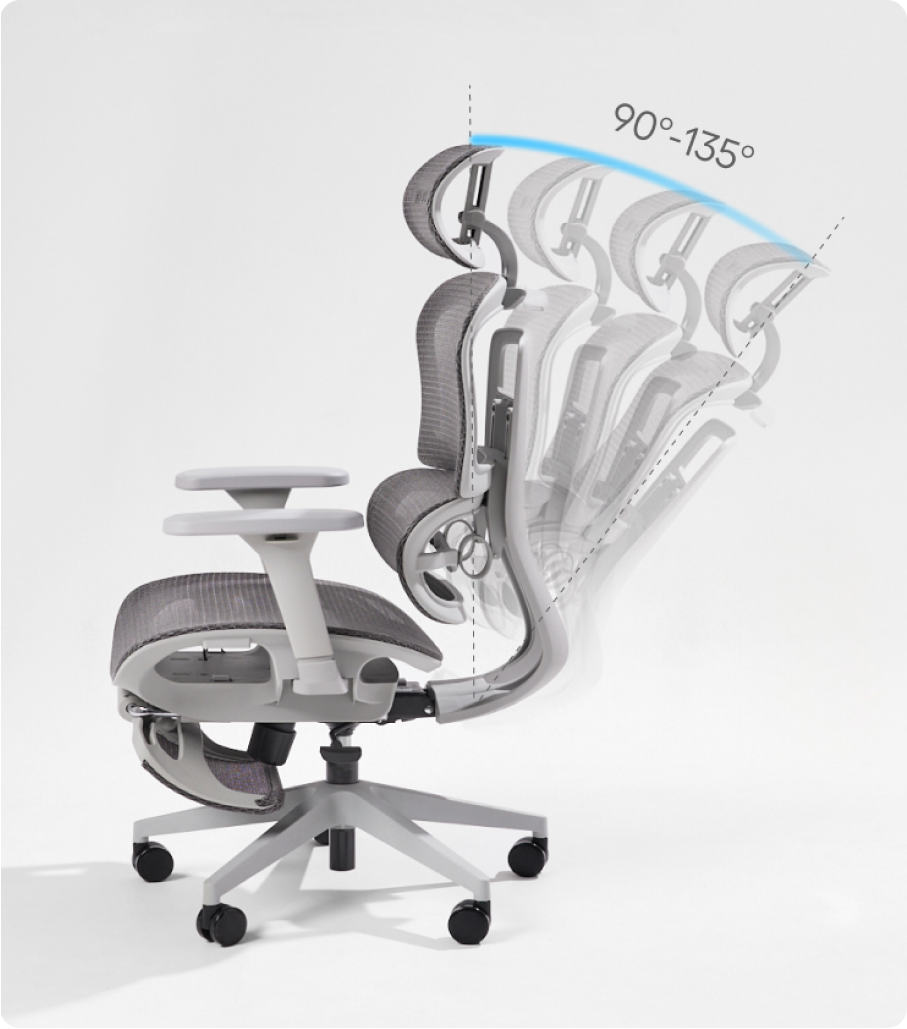
Synchro-tilt mechanism
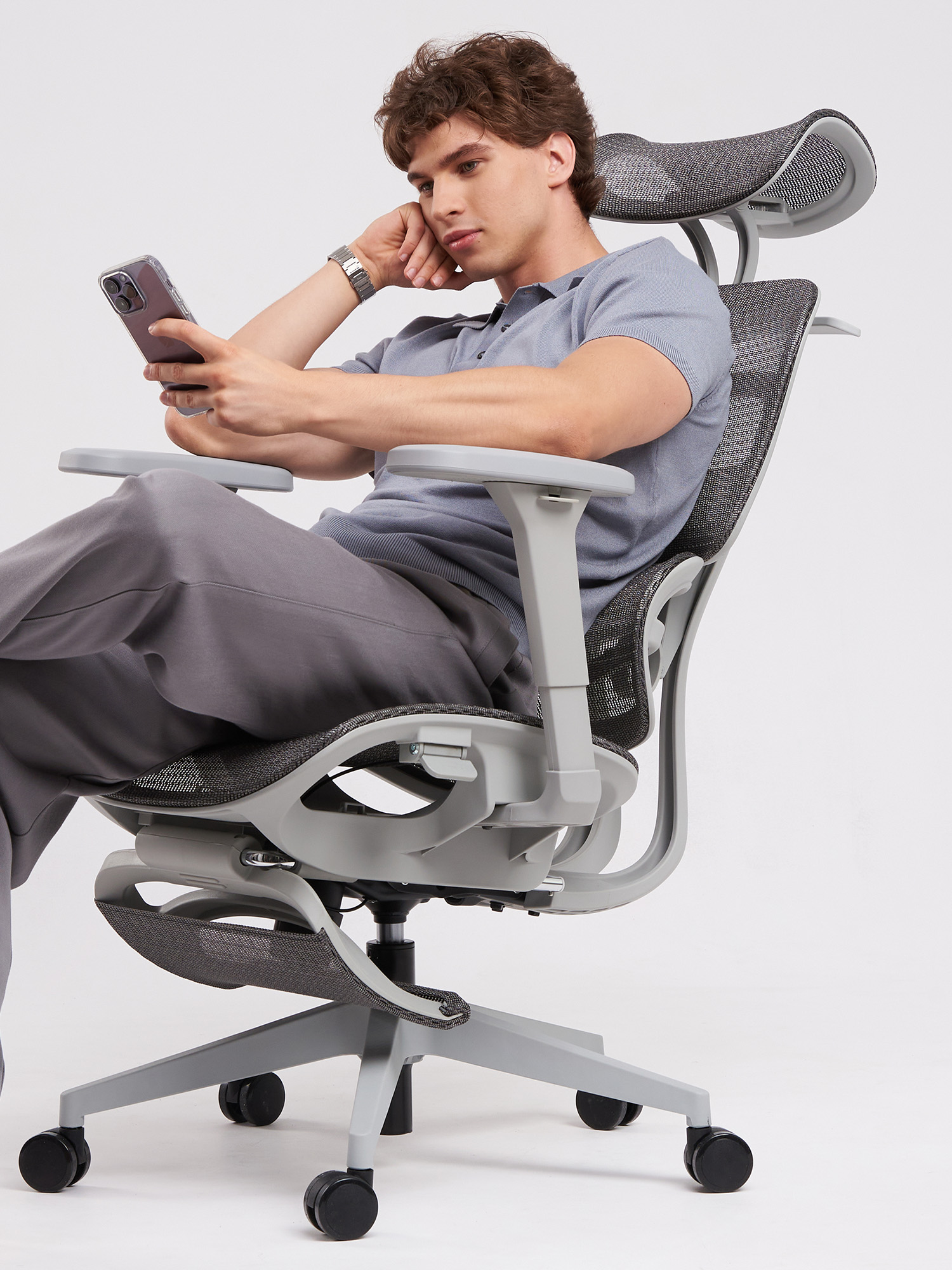
Synchro-tilt moves backrest and seat together in a synchronized ratio — your feet stay flat on the floor even when you recline. No sliding forward, no awkward angles.
FOCUS (locked upright) — Deep work mode. Back straight, core engaged.
FLOW (free tilt) — The chair moves with you. Micro-shifts keep blood flowing and reduce spinal pressure during long sessions.
RECOVER (locked recline) — Lock at any of 4 positions, up to 135°. Read, think, or power nap.

Adjustable recline tension

Adjustable recline tension
The resistance question:
Proper tension adjustment accommodates 50kg to 135kg users.
Too light = no support.
Too heavy = fighting the chair.
The mechanism must offer enough range to feel “just right” – like the chair is working with you, not against you. And so we do.
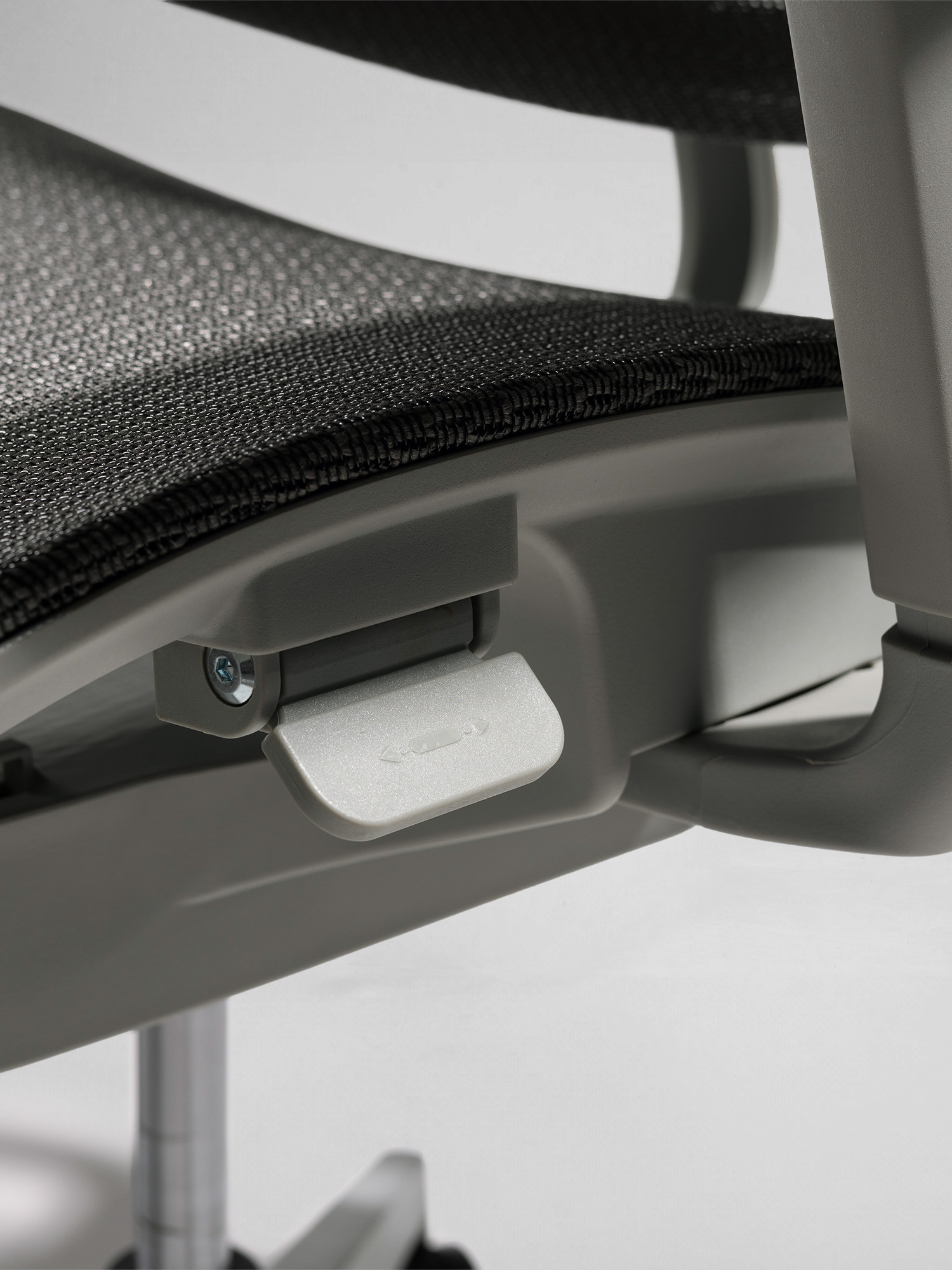
Sliding seat - ProSeat adjust

Sliding seat - ProSeat adjust
The thigh support equation: Ideal seat depth leaves 2-3 fingers’ space between seat edge and back of knees. Too deep = circulation cutoff. Too shallow = unsupported thighs and increased pressure on sitting bones. The slide adjustment makes this possible for every body.
The backrest connection: Seat slide lets users access full backrest support WITHOUT sacrificing leg comfort. It’s the bridge that connects proper lumbar support to proper leg positioning – you shouldn’t have to choose between them.
Dynamic tasking:
Slide forward for intensive keyboard work – brings you into the task
Slide back for relaxed reading – opens hip angle, reduces pressure
Quick adjustments for sit-stand desk transitions
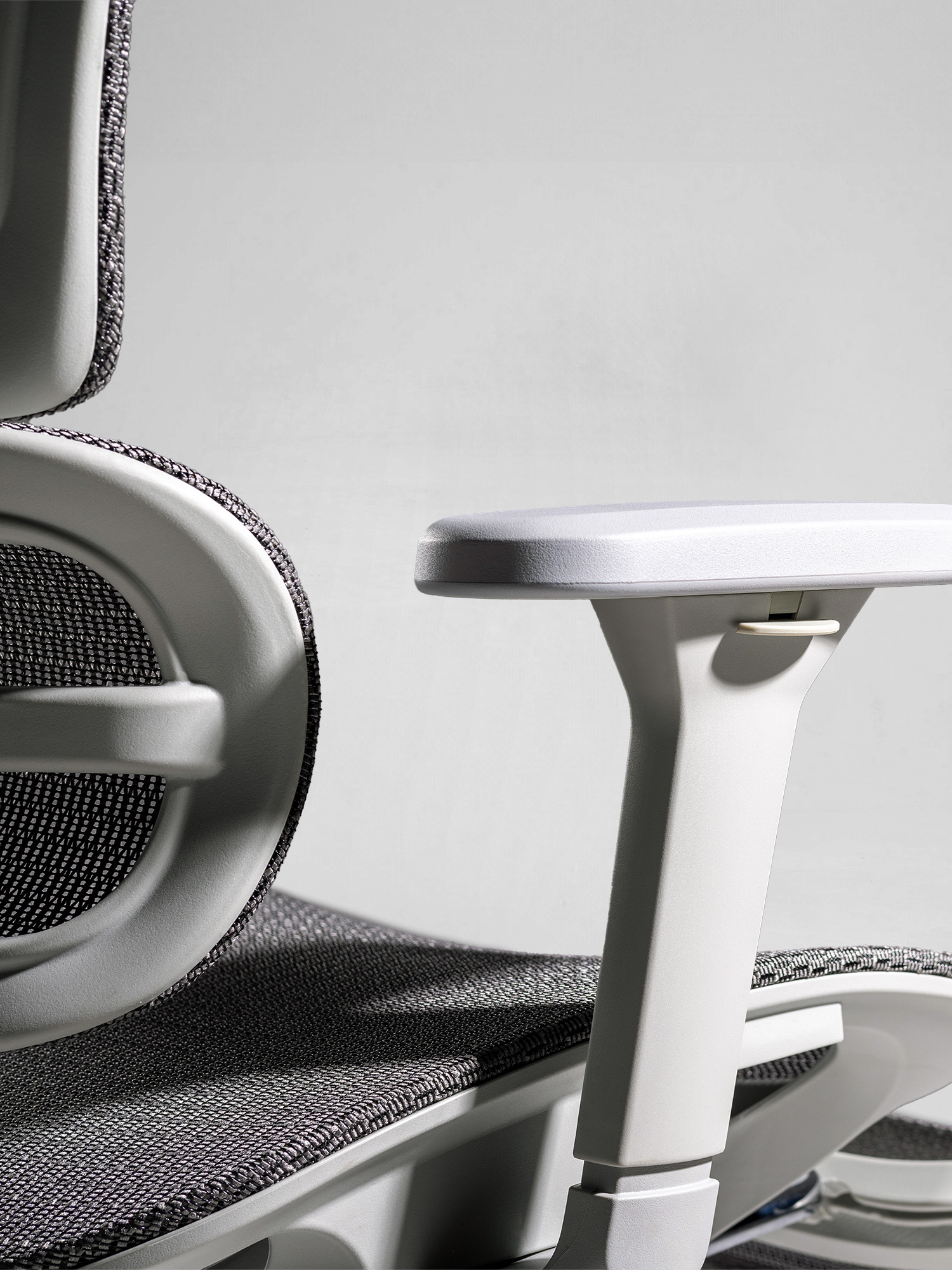
Flex motion 4D armrest

Flex motion 4D armrest
The four dimensions of freedom: Height – aligns with desk surface, preventing shoulder shrugging Width – narrow for gaming, wide for relaxing Depth – forward for typing, back for mousing Pivot – angled in for keyboard work, parallel for writing, outward for guitar breaks
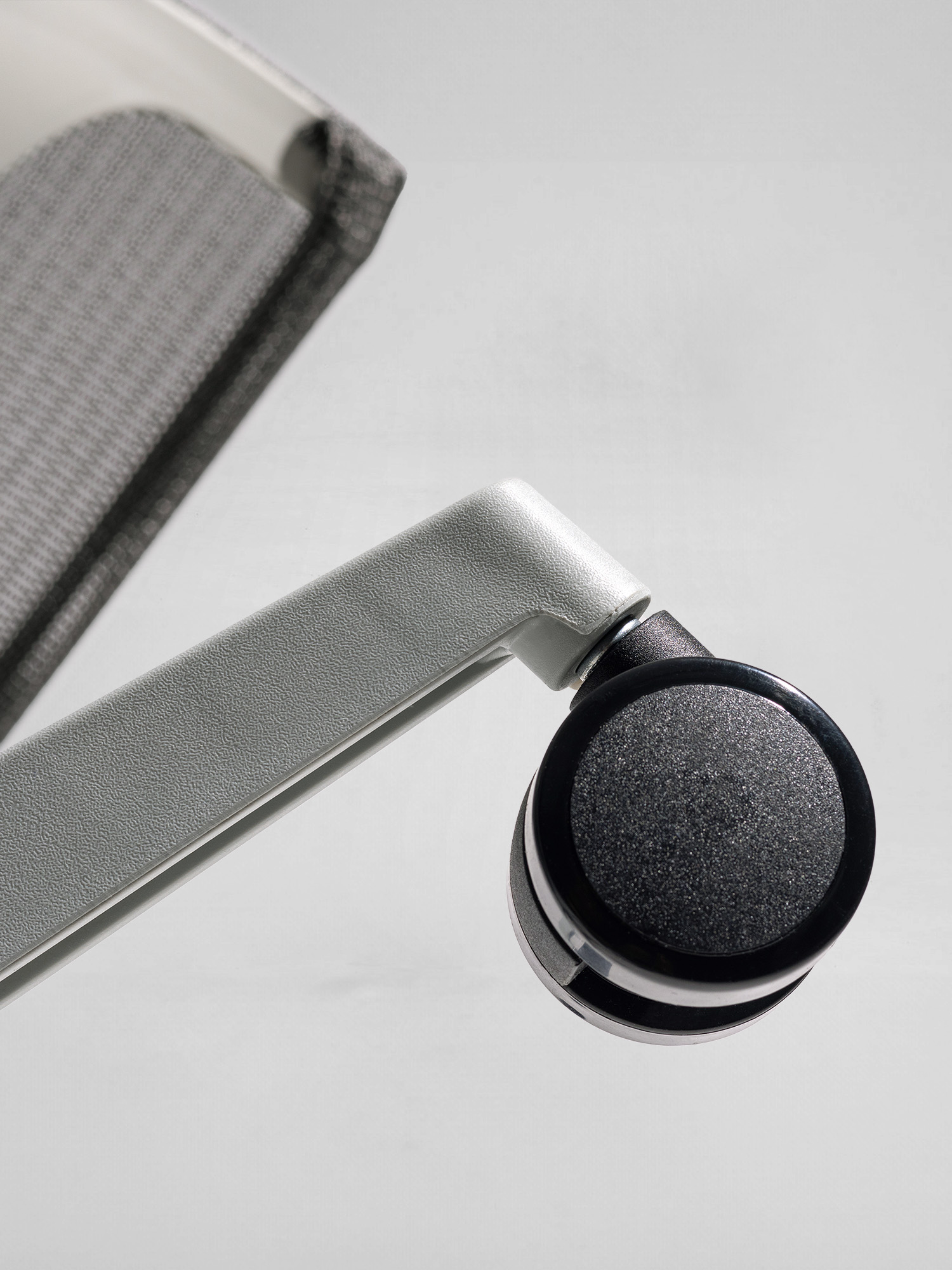
QuickSpin 360º casters

QuickSpin 360º casters
The 360-degree swivel function allows you to rotate effortlessly in any direction, providing maximum flexibility and easy access to all areas of your desk and surroundings – all in silence.
Load distribution: Dual-wheel designs spread weight across more surface area – less floor pressure, smoother rolling, better weight capacity. Single wheels create pressure points that can damage flooring over time.
Jacket hanger

Jacket hanger
Whether it is a suit day or hoodie day – we got a hanger for you!
Read detailed reviews in






Upgrade your seating experience today!
Revolutionize your workspace and gaming setup with our Mesh Ergonomic Chair. Experience unmatched comfort and full adjustability.
Add ERGO ONE Grey to cartFrequently Asked Questions
You get 4 lockable positions — from upright (focused work) to fully reclined (135°, perfect for breaks). Lock the angle that suits your task, or leave it unlocked for dynamic sitting that lets you move naturally throughout the day. Ergonomists recommend dynamic sitting because it reduces spinal pressure and keeps your core engaged.
Bottom line: synchro-tilt is what separates a real ergonomic chair from a basic office chair with a lever.
If anything does go wrong, contact [email protected] — we handle warranty claims directly, no middlemen.
• EN 1335 (European standard) — covers dimensions, safety, and durability for office work chairs. This includes stability tests, strength tests on all load-bearing components, and endurance cycling. EN 1335 is the benchmark for professional office furniture across the EU.
• BIFMA (US standard, Business and Institutional Furniture Manufacturers Association) — the American equivalent, testing structural integrity, stability, and durability under heavy use. The Ergo One's gas piston, base, and castors are all individually BIFMA certified.
The chair is also fully fully compliant with Polish BHP regulations (Dz.U. 2023 poz. 2367) for office workstations — meaning it meets all legal requirements for employer-provided office seating in Poland: 5-star base with castors, adjustable seat height, adjustable lumbar support, adjustable backrest angle, 360° swivel, and adjustable armrests.
In short: the Ergo One is certified for both home and professional office use across Europe and the US.