English

You’ve decided on a budget. You’ve decided on features. You might have even decided on a specific model. But there’s one question that divides the office chair world as cleanly as tabs vs. spaces divides developers:
Mesh or leather?
Specifically, for most chairs in the €200-700 range, the real question is mesh vs. eco-leather (PU leather) — since genuine leather is either unavailable or adds a significant premium at this price point. Both materials have passionate defenders, genuine advantages, and real drawbacks. Neither is universally better.
But one of them is almost certainly better for you. Let’s figure out which.
What We’re Actually Comparing
Before we dive in, let’s define terms — because “leather” in the chair world is a minefield of marketing language:
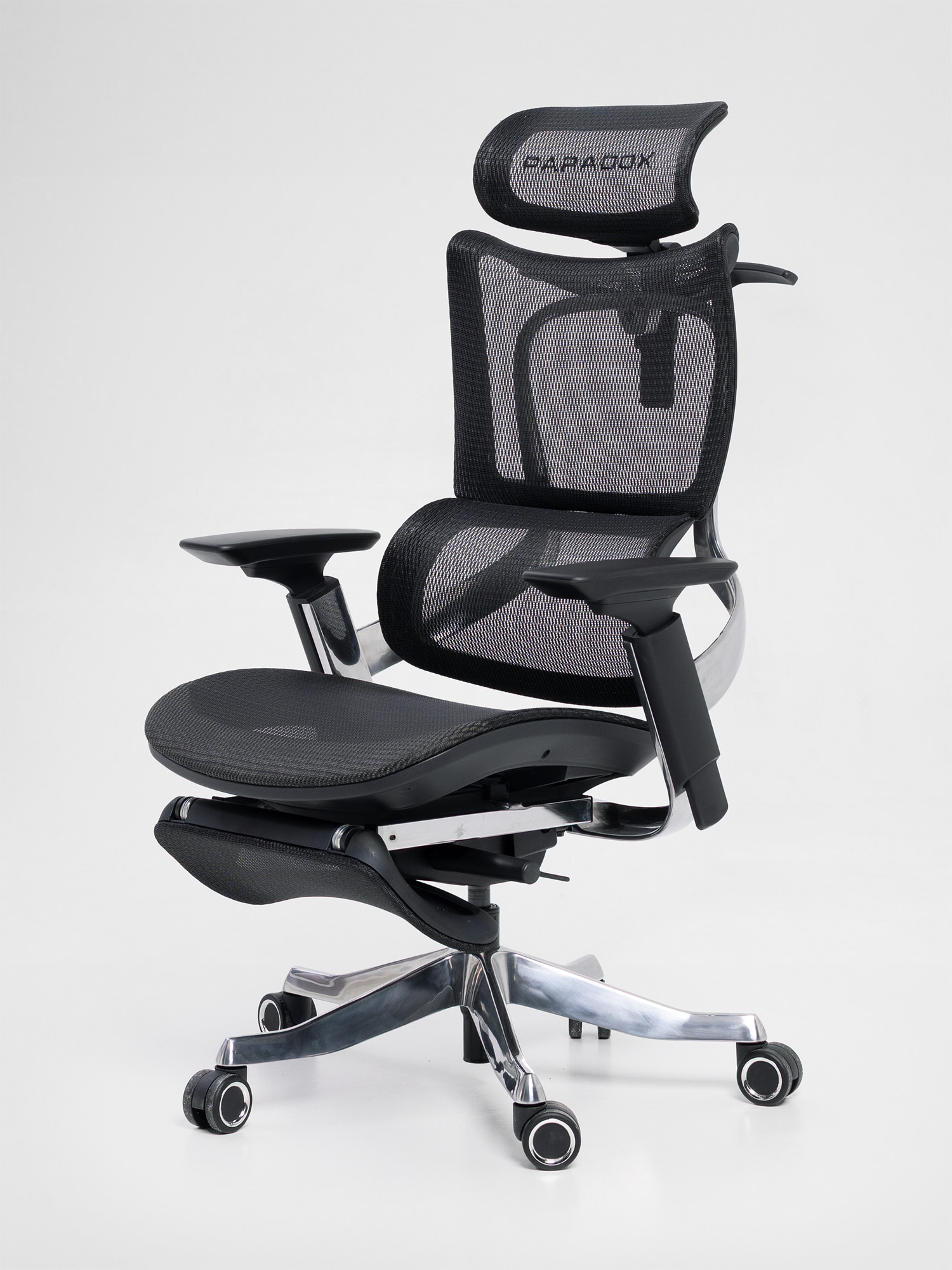
- Mesh: A woven synthetic fabric (typically elastomeric or polyester fibers) stretched over a frame. It creates a flexible, breathable surface that conforms to your body. Quality varies enormously — from flimsy fabric that sags in months to premium Korean-made mesh that maintains tension for years.
- Eco-leather (PU leather): A synthetic material made by coating a fabric base with polyurethane. It mimics the look and feel of real leather without animal products. Also called faux leather, vegan leather, or synthetic leather. Again, quality varies widely.
- Genuine leather: Real animal hide. Rarely seen in chairs under €1,000 and increasingly uncommon even at premium prices. We’ll touch on this briefly, but it’s not the primary comparison.
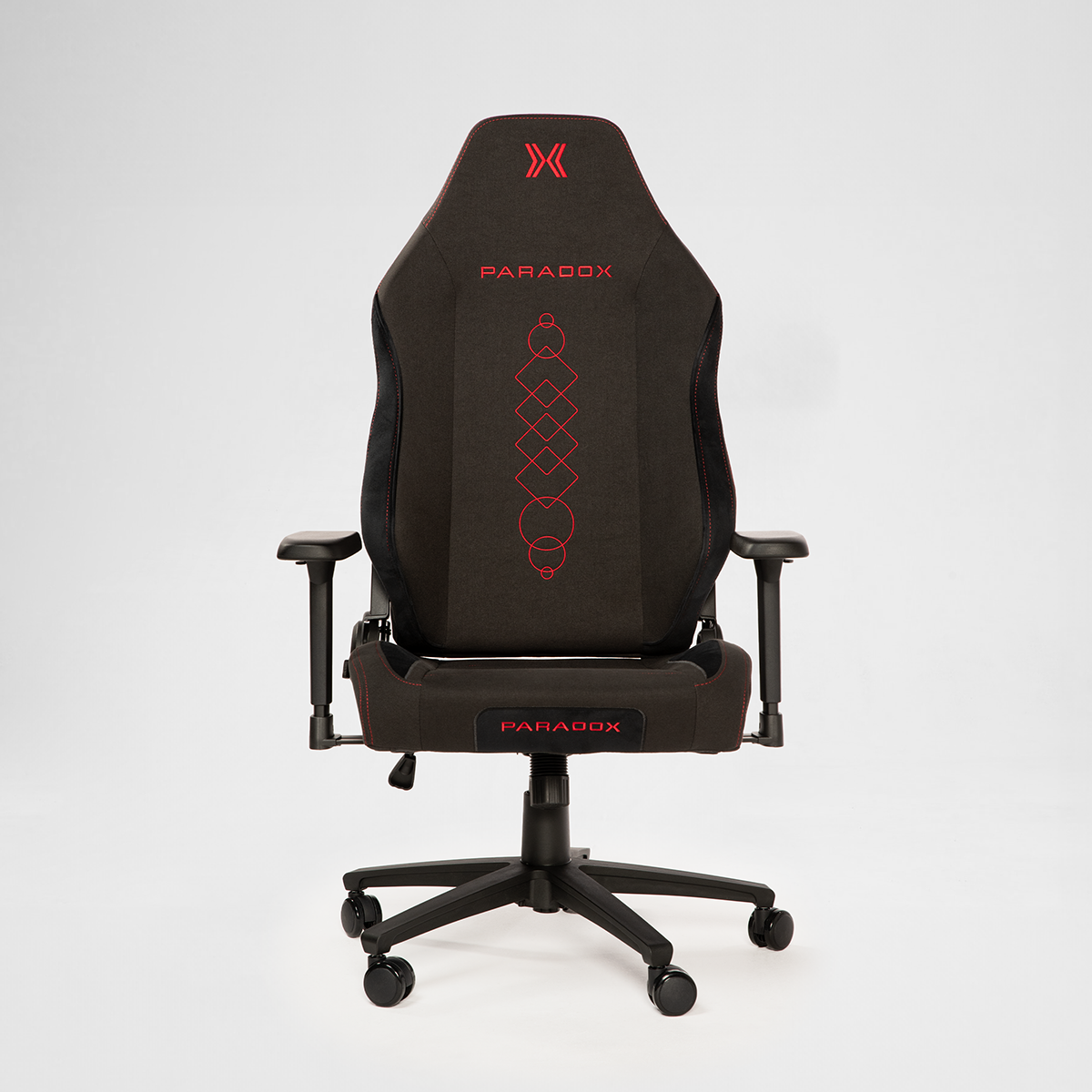
- Fabric: Woven textile upholstery. A middle ground between mesh and leather — more breathable than PU, less breathable than mesh. Available on some gaming and office chairs as a third option.
Breathability: Where Mesh Wins Decisively
Let’s address the single biggest differentiator first.
As Scube Ergo explains, “the breathability of mesh is rooted in physics. Its open-weave design creates a larger surface area than solid materials like leather, enabling greater airflow and passive heat dissipation.”
This isn’t marketing — it’s thermodynamics. Mesh has holes. Air passes through holes. PU leather is a solid, non-porous surface. Air does not pass through solid surfaces. End of physics lesson.
What This Means in Practice
- After 2-3 hours in a PU leather chair, your back and thighs will be noticeably warmer than in a mesh chair. In summer, “noticeably warmer” becomes “stuck to the chair” for some people.
- Mesh chairs maintain consistent surface temperature regardless of how long you sit. The airflow prevents heat and moisture buildup completely.
- If you work in a climate-controlled office set to 21°C year-round, the difference is reduced but not eliminated. If your home office relies on opening a window and hoping for the best, mesh becomes dramatically more comfortable in warm months.
EFFYDESK notes that “the best material for long sitting is a breathable mesh back for ventilation combined with a padded fabric or leather seat for comfort.” This hybrid approach — mesh back with a different seat material — is increasingly common in premium ergonomic chairs because it captures the best of both worlds.
Breathability Winner: Mesh (it’s not close)
Comfort: More Nuanced Than You’d Expect
“Comfort” is subjective, but there are measurable components:
Initial Comfort (First Impressions)
Eco-leather chairs typically feel more immediately comfortable. The padded foam underneath the PU surface creates a soft, enveloping sensation. You sit down and think, “this is nice.” It’s the same reason leather sofas feel luxurious — there’s an association between cushioned surfaces and comfort that’s deeply ingrained.
Mesh, by contrast, can feel firm or even austere on first contact. The material doesn’t “hug” you — it supports you. First-time mesh users sometimes think something is wrong. Give it a week.
Long-Session Comfort (4+ Hours)
This is where the ranking flips. The foam padding in eco-leather chairs compresses over time, creating pressure points and uneven support. The PU surface traps heat, leading to shifting and fidgeting. By hour four, that initially comfortable chair has become a source of mild but persistent distraction.
Mesh maintains its support profile throughout the day. The tension is consistent — your body is supported the same way at hour seven as at hour one. Combined with breathability, this makes mesh the clear winner for marathon sitting sessions.
Sitting Style Compatibility
- Upright workers: Both materials work well. Mesh has a slight edge due to consistent lumbar contact.
- Recliners/leaning back: Eco-leather provides more cushioning in reclined positions. Mesh can feel less plush when you’re leaning back and relaxing.
- Cross-legged sitters: Mesh seats are generally more accommodating for cross-legged sitting (the flexible surface gives), though this isn’t an ergonomically recommended position.
- Warm-blooded people: Mesh. No contest. If you “run hot,” PU leather will become your enemy by lunchtime.
Comfort Winner: Mesh for long sessions, eco-leather for short sessions and casual use
Durability and Lifespan
Durability depends heavily on the quality tier of eco-leather you’re dealing with.
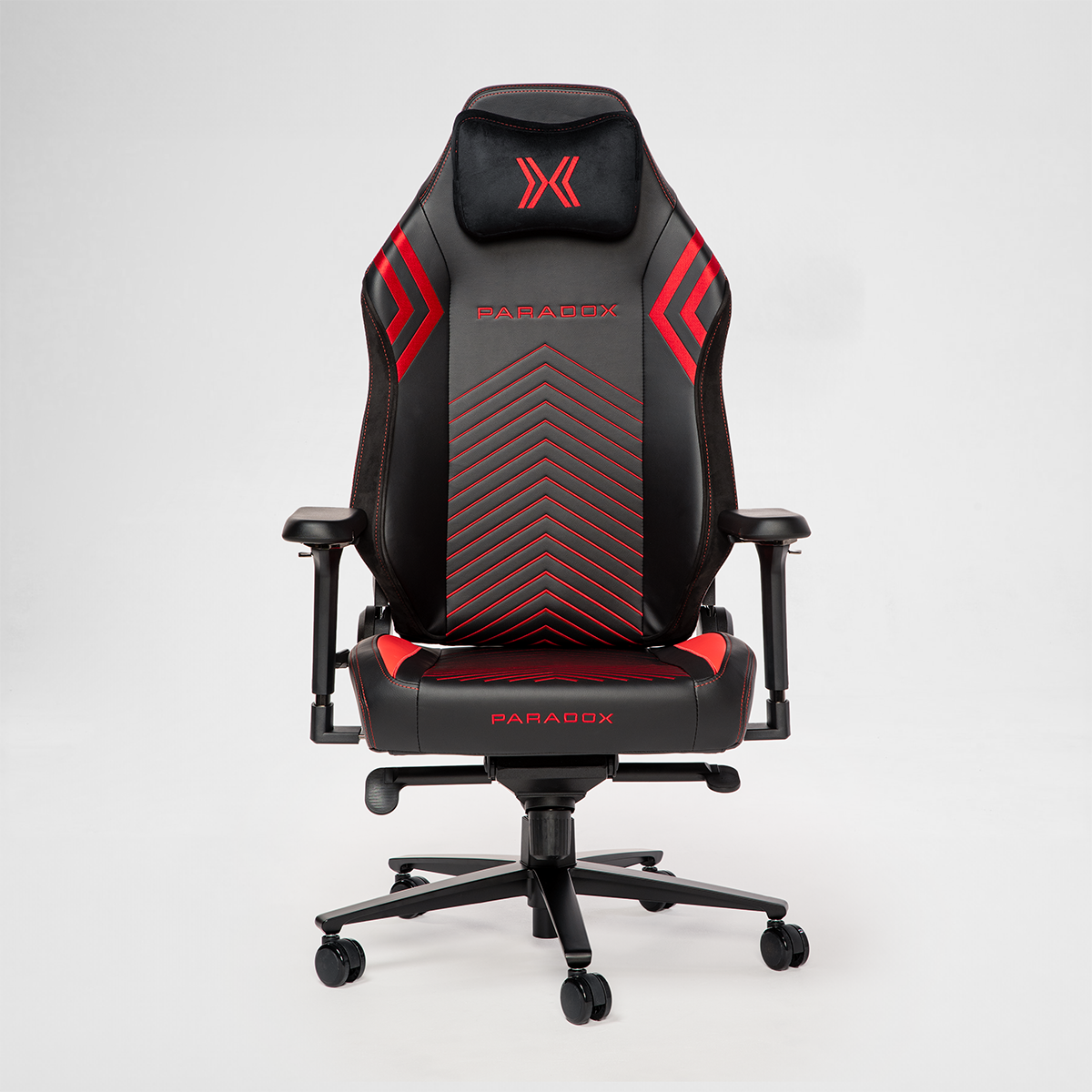
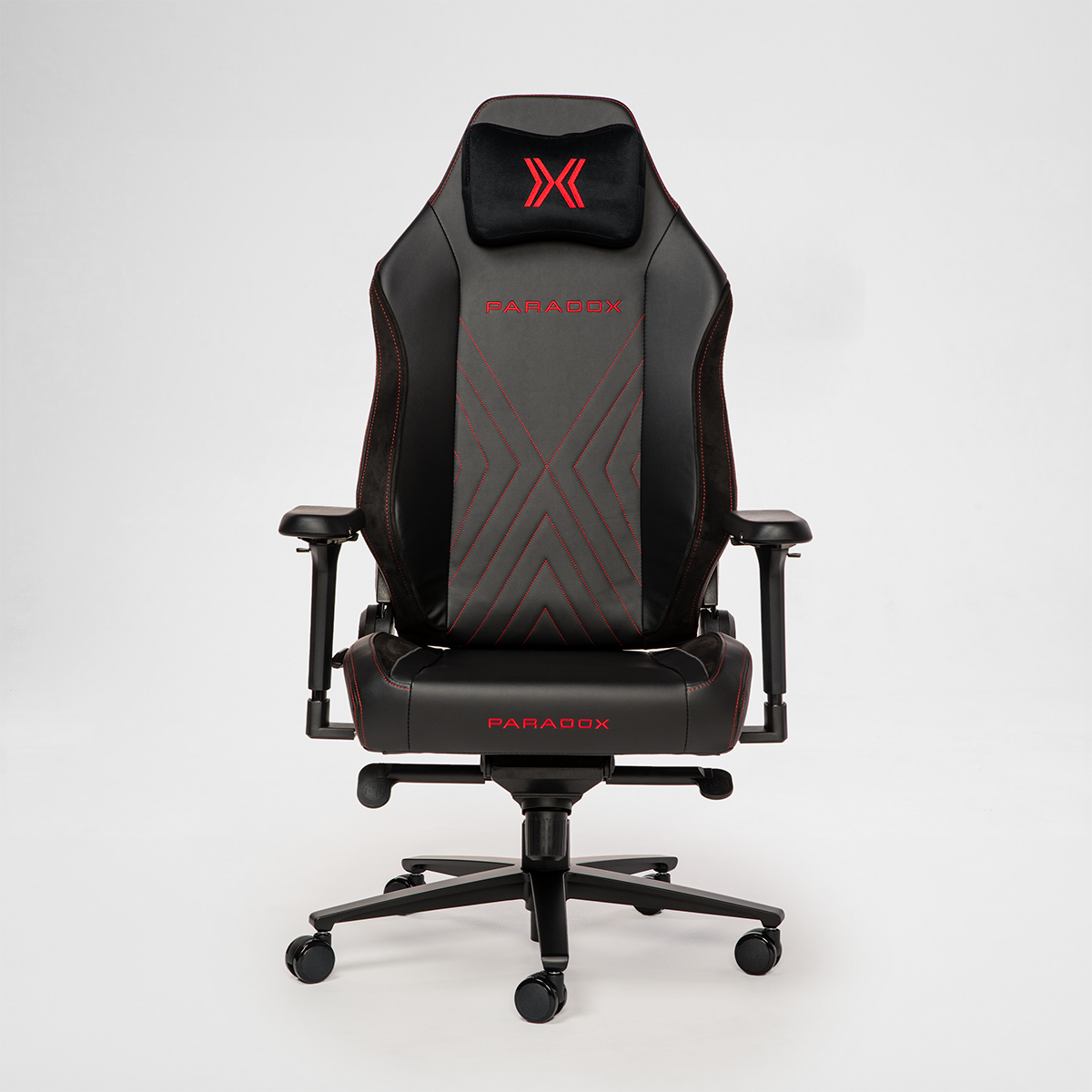
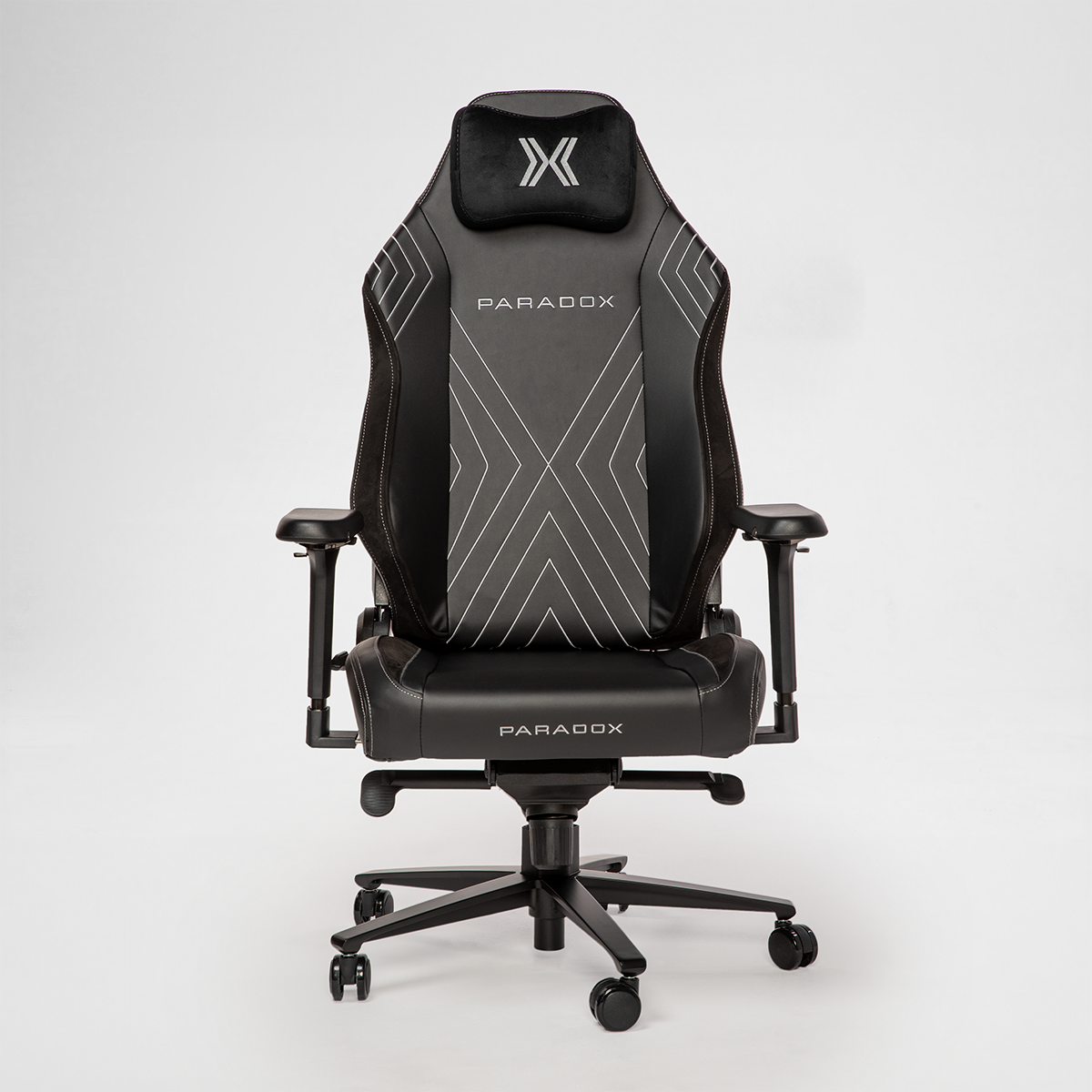
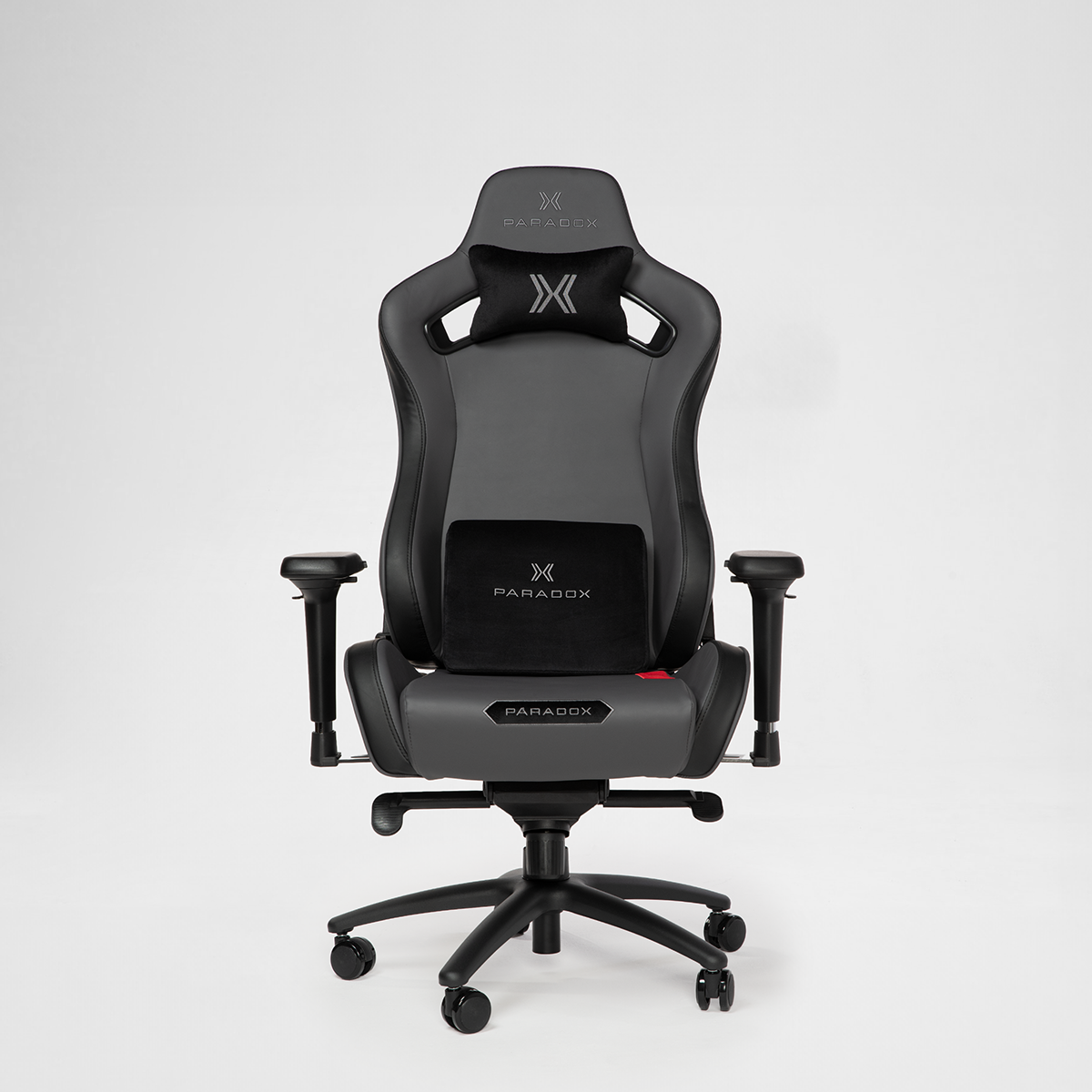
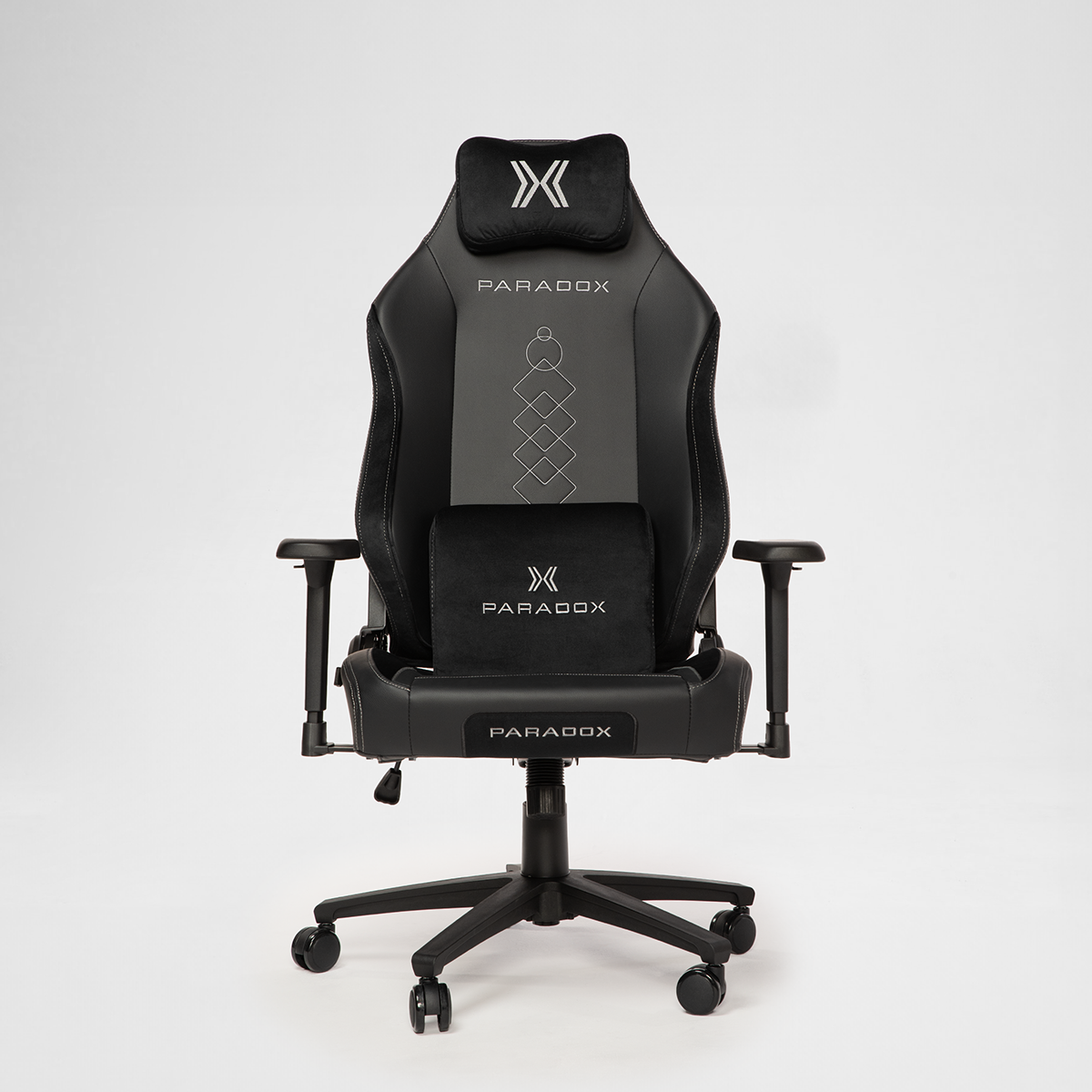
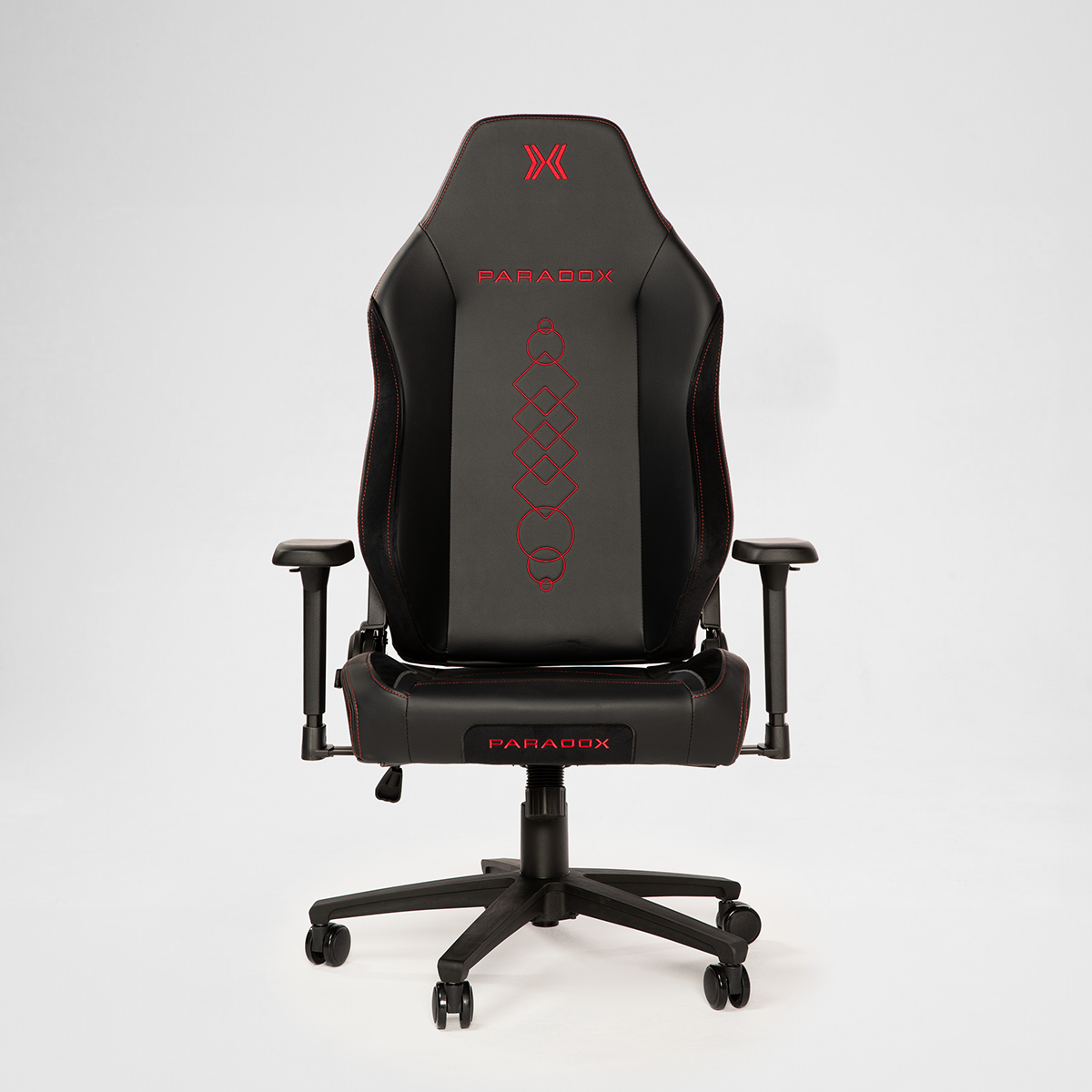
Budget eco-leather — the kind found in chairs under €150 — can start showing wear within 2-3 years. But the eco-leather market has evolved significantly. Premium formulations like TechRX II (used in Paradox gaming chairs) use higher-density polyurethane, reinforced base fabrics, and UV-resistant coatings to deliver 5-7+ years of daily use. The things to watch for across all eco-leather:
- Peeling/flaking: The coating can separate from the base over time, especially with heat and friction. Premium formulations resist this far better.
- Cracking: In very dry environments, the surface can develop hairline cracks. Regular conditioning prevents this.
- Compression: The foam underneath compresses over time — cold-molded high-density foam holds up significantly better than standard foam.
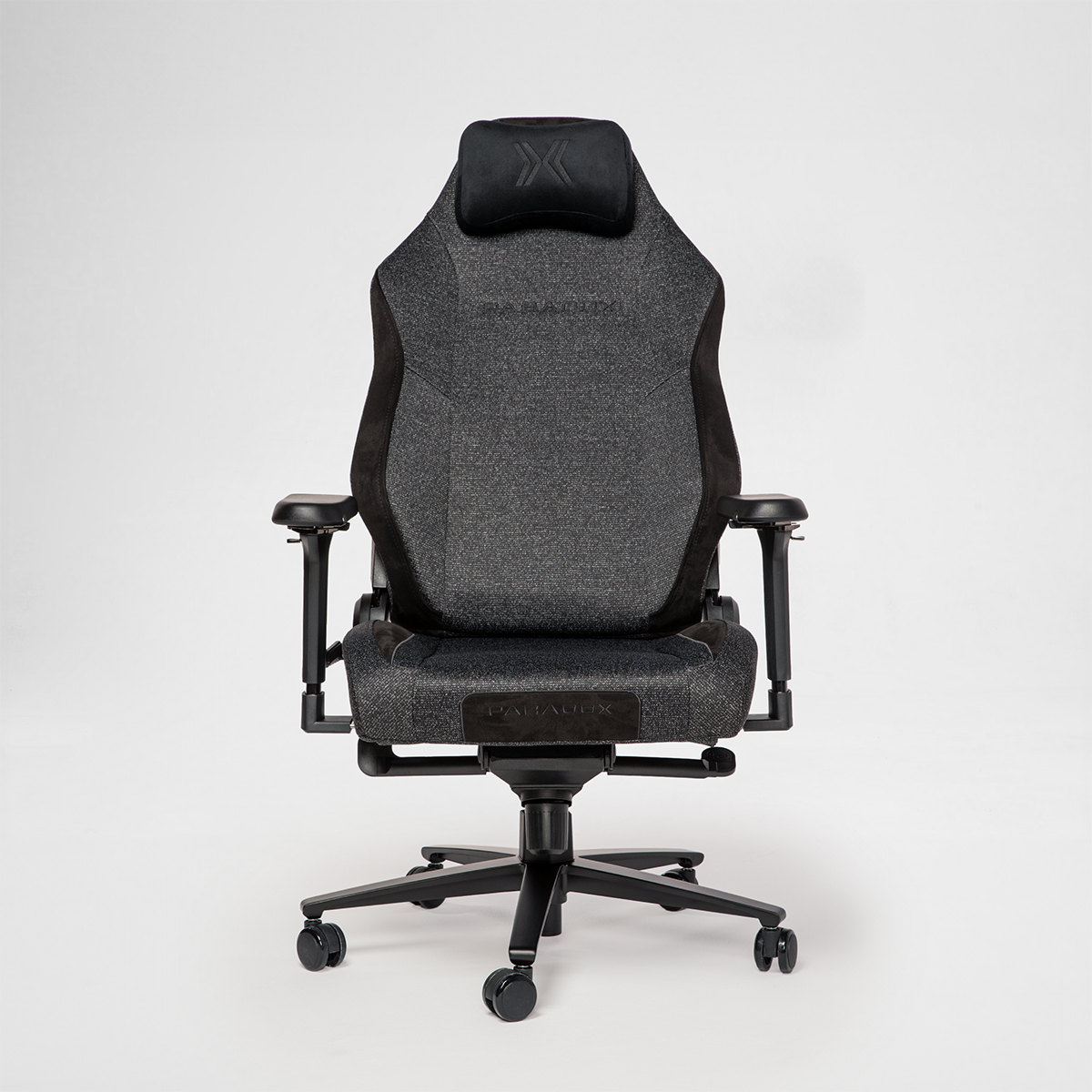
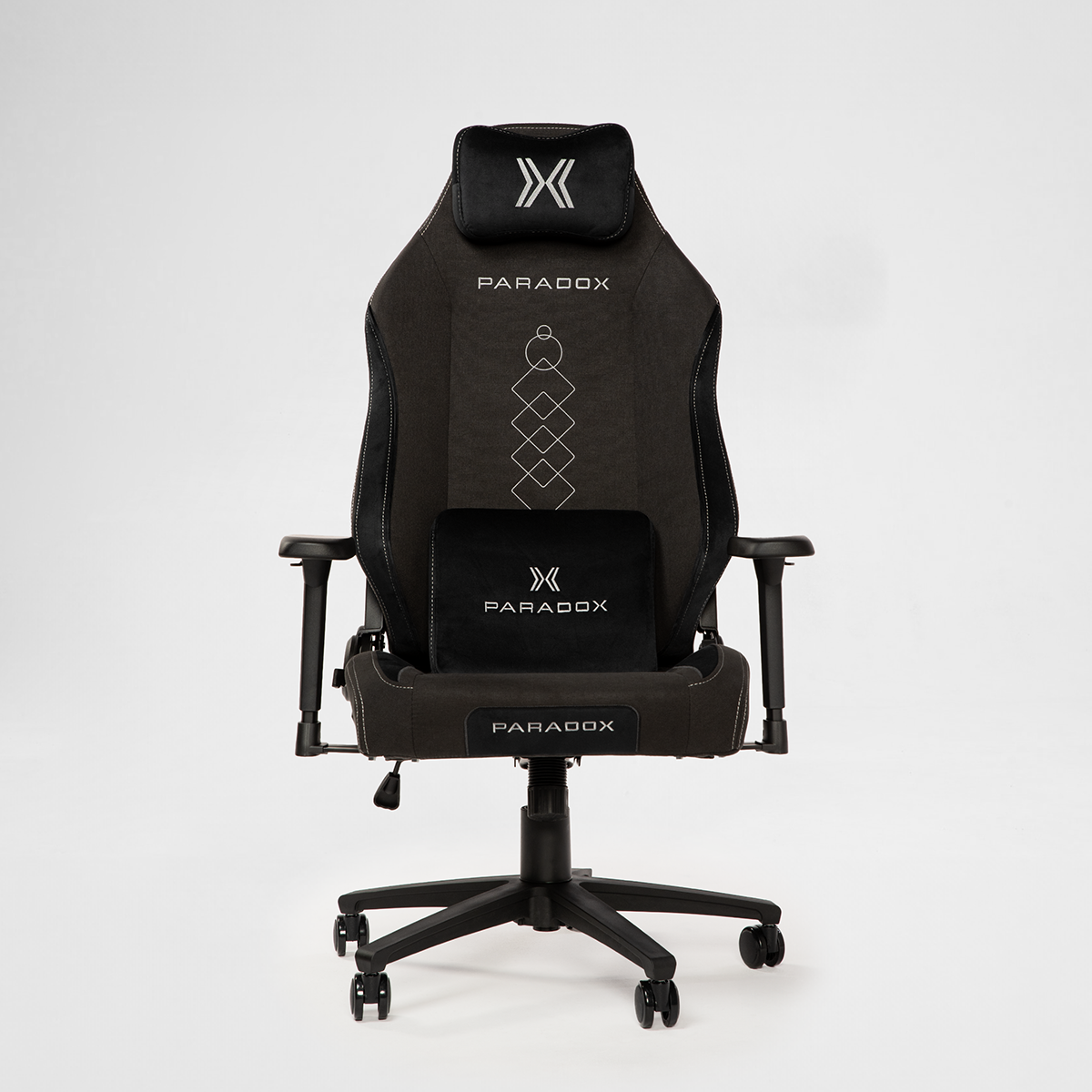
And then there’s the next evolution: Cordura fabric. Originally developed for military and outdoor gear, Cordura brings extreme abrasion resistance and breathability to chair upholstery. The Paradox Ultimate Black Raven uses Cordura instead of eco-leather — offering durability that rivals mesh with the feel and look of a premium textile. It’s a material innovation worth watching in the gaming chair space.
Mesh Durability
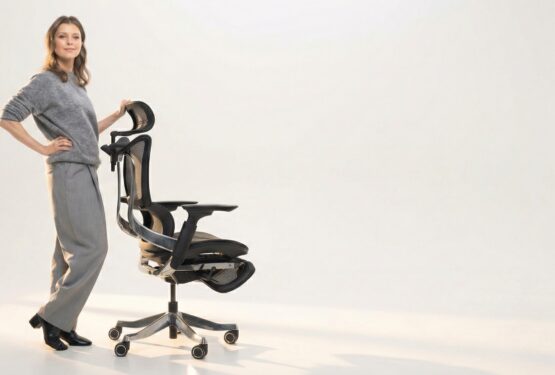
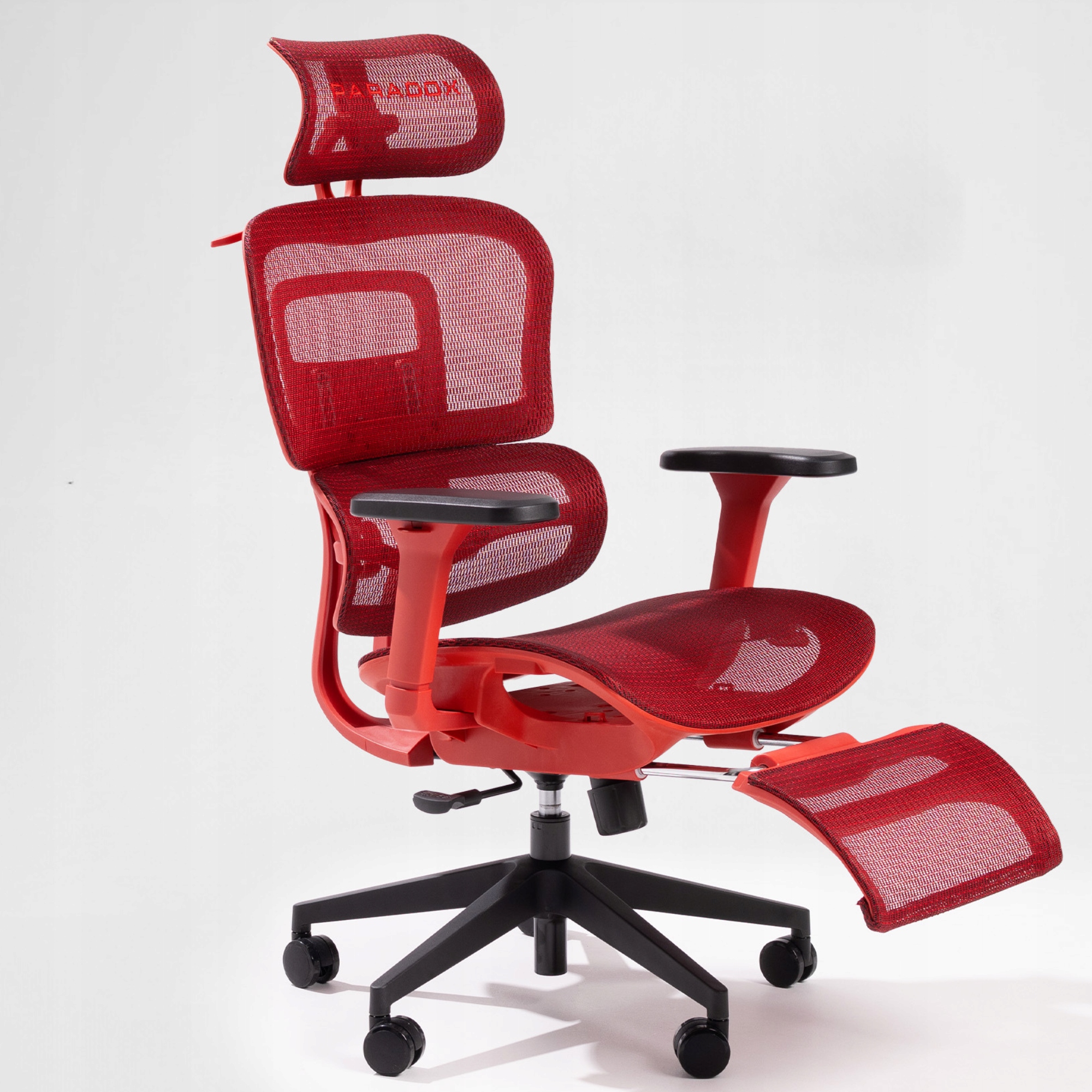
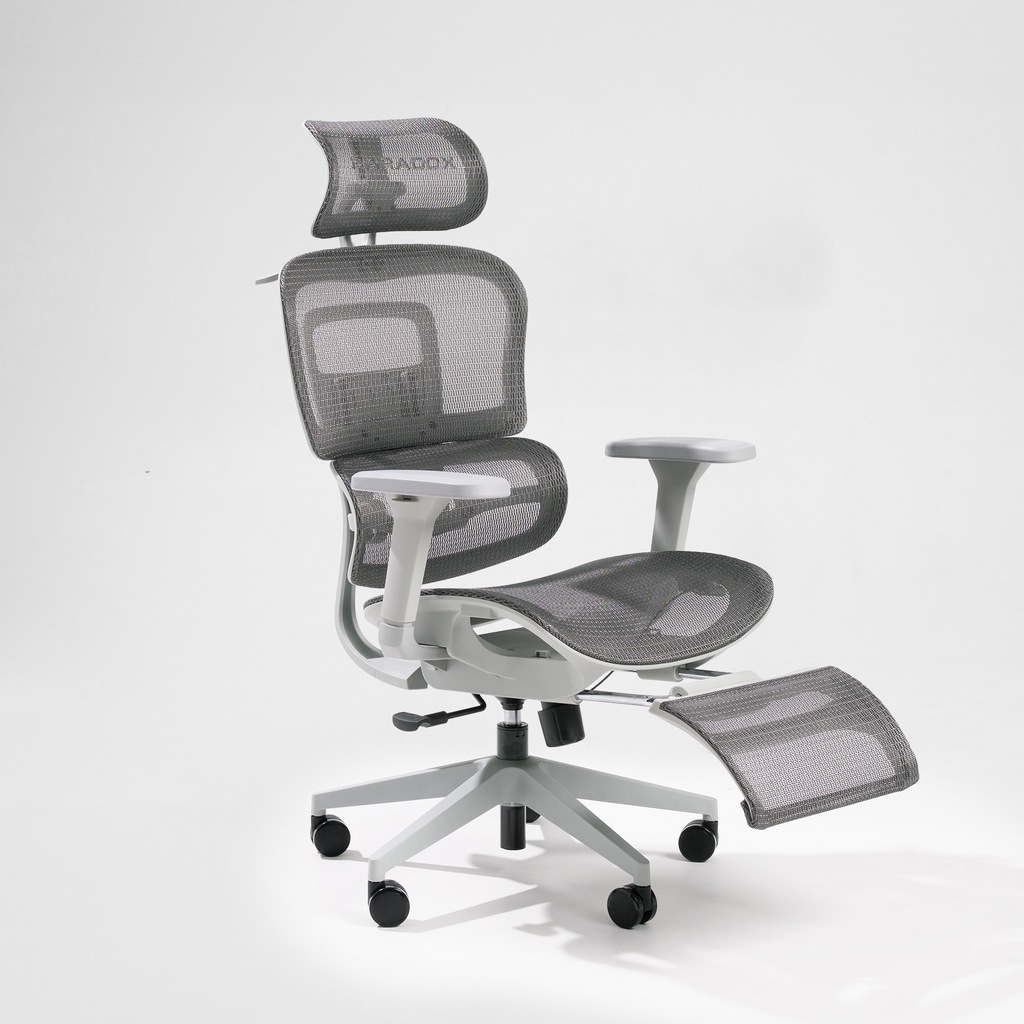
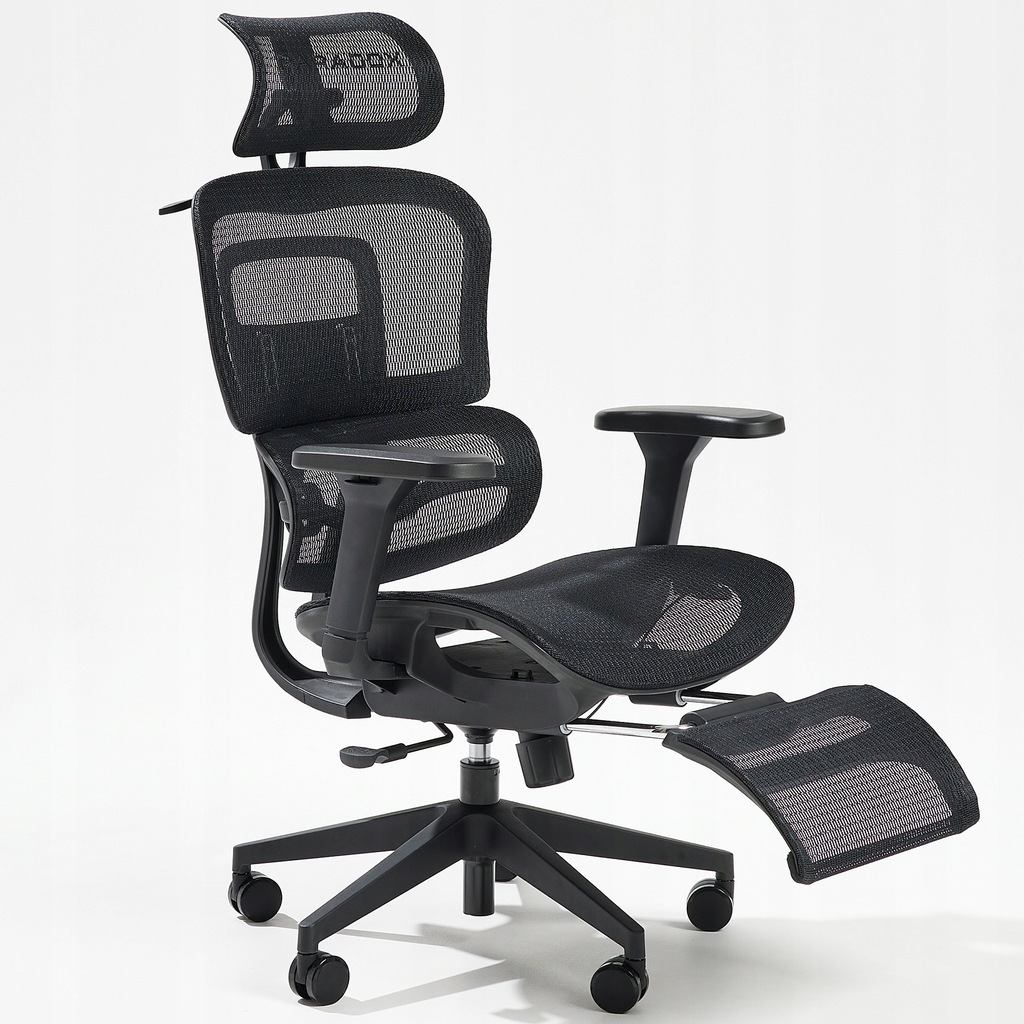
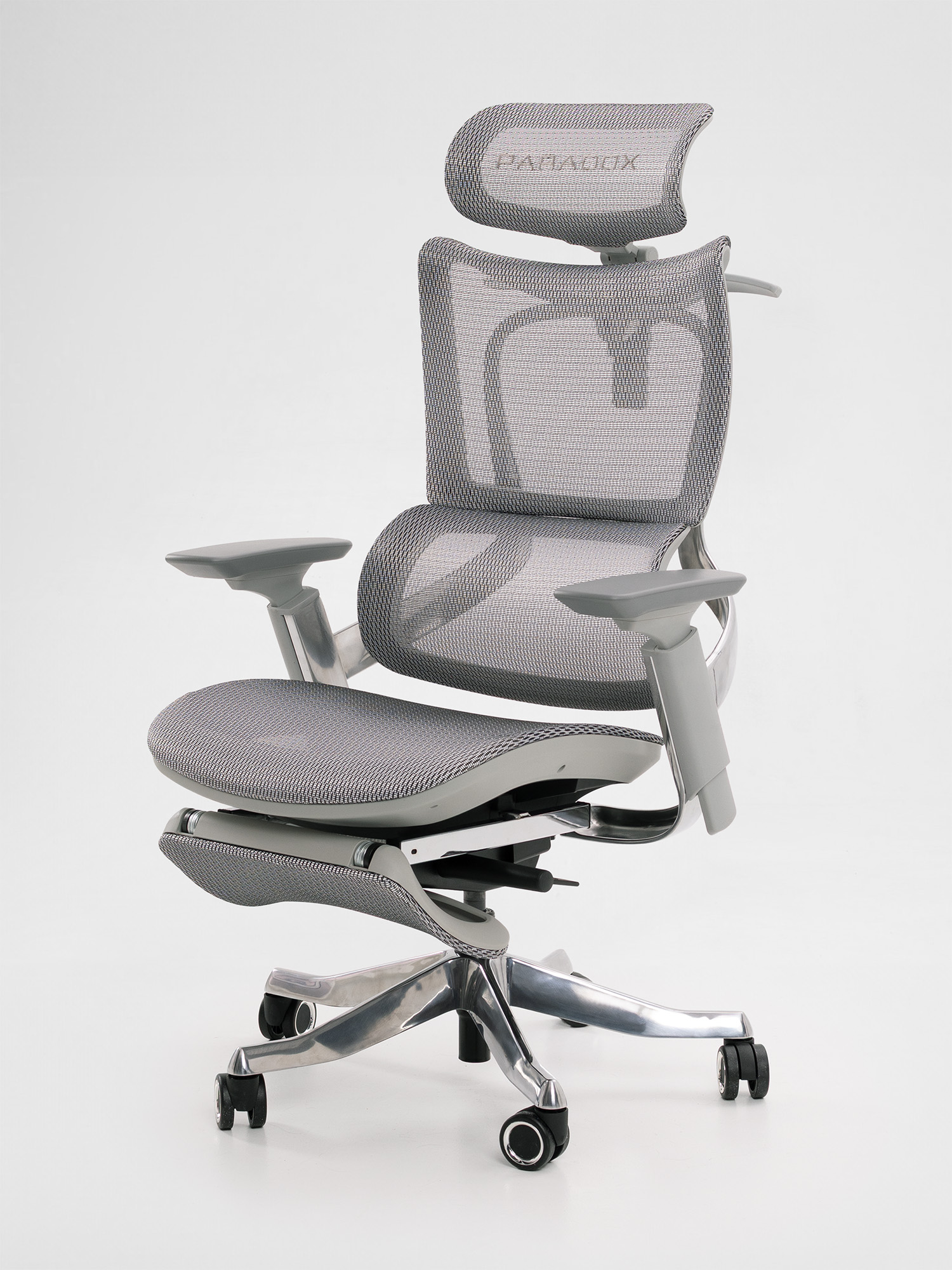
Quality mesh is remarkably durable. Premium options — like the Korean mesh used in chairs such as the Paradox Ergo Milano Pro — maintain their tension and shape for 7-10+ years with normal use. The failure modes are different:
- Tension loss: Over many years, mesh can stretch slightly, reducing support. Premium mesh resists this significantly better than budget alternatives.
- Tearing: Sharp objects can puncture mesh (don’t sit on your keys). This is rarely an issue in normal use but is worth noting.
- Frame stress points: Where mesh attaches to the frame can be a weakness in cheaper chairs. Look for reinforced attachment points.
Generally, quality mesh has a longevity advantage — which is why premium office chairs from Herman Miller, Steelcase, and others have moved toward mesh for their flagship products. That said, premium eco-leather and Cordura are closing the gap, especially in the gaming chair segment where aesthetics and material variety matter.
Durability Winner: Mesh for pure longevity; Cordura for best of both worlds
Aesthetics and Professional Appearance
Now let’s talk about what your chair looks like — because it matters, especially in 2026 when your chair is on camera in every video call.
Eco-Leather
- Looks more traditional, premium, and “executive.” The association with luxury is strong.
- Available in a wider range of colors and finishes. Black, brown, white, bold gaming colors — the palette is vast.
- Photos well. On camera and in person, eco-leather chairs look substantial and polished.
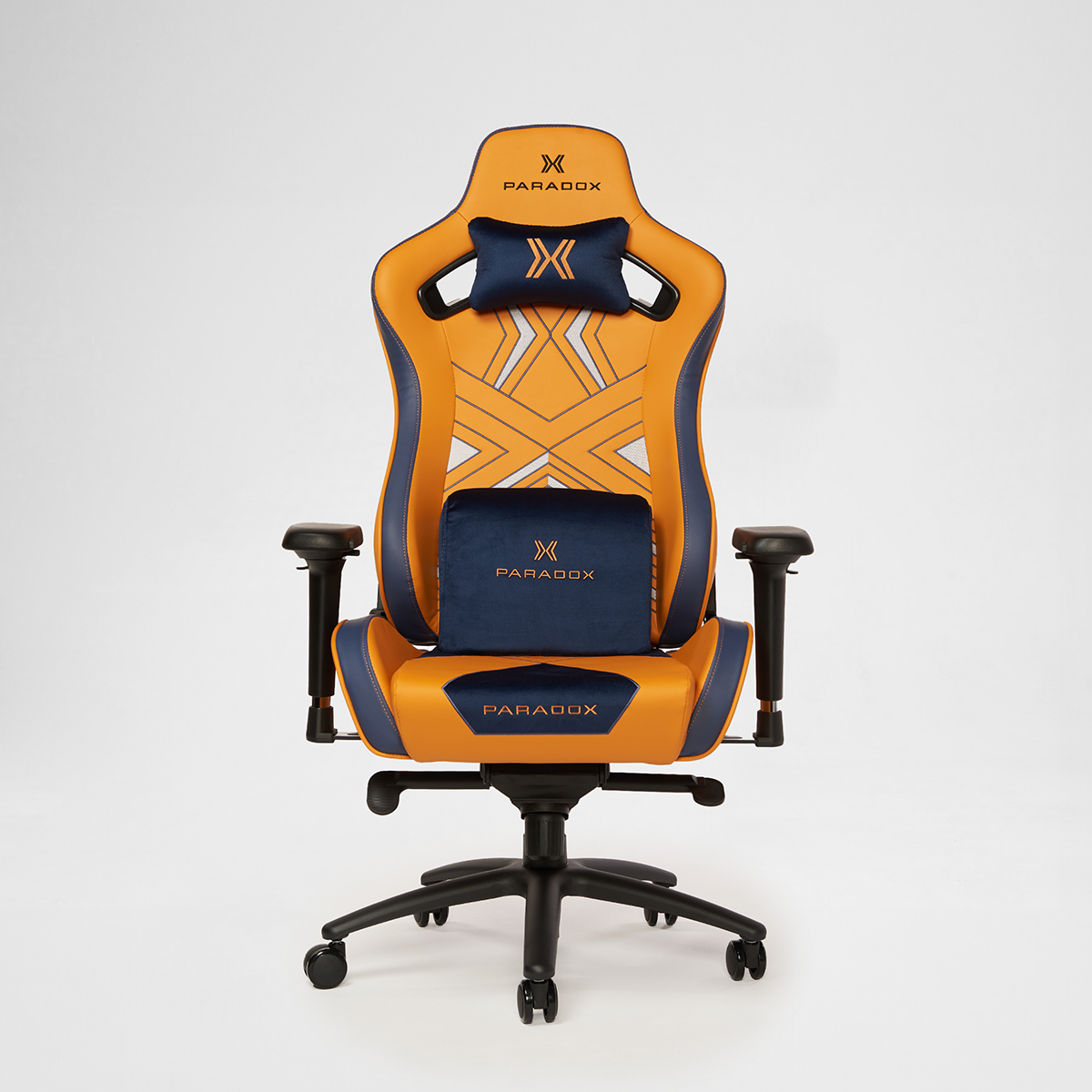
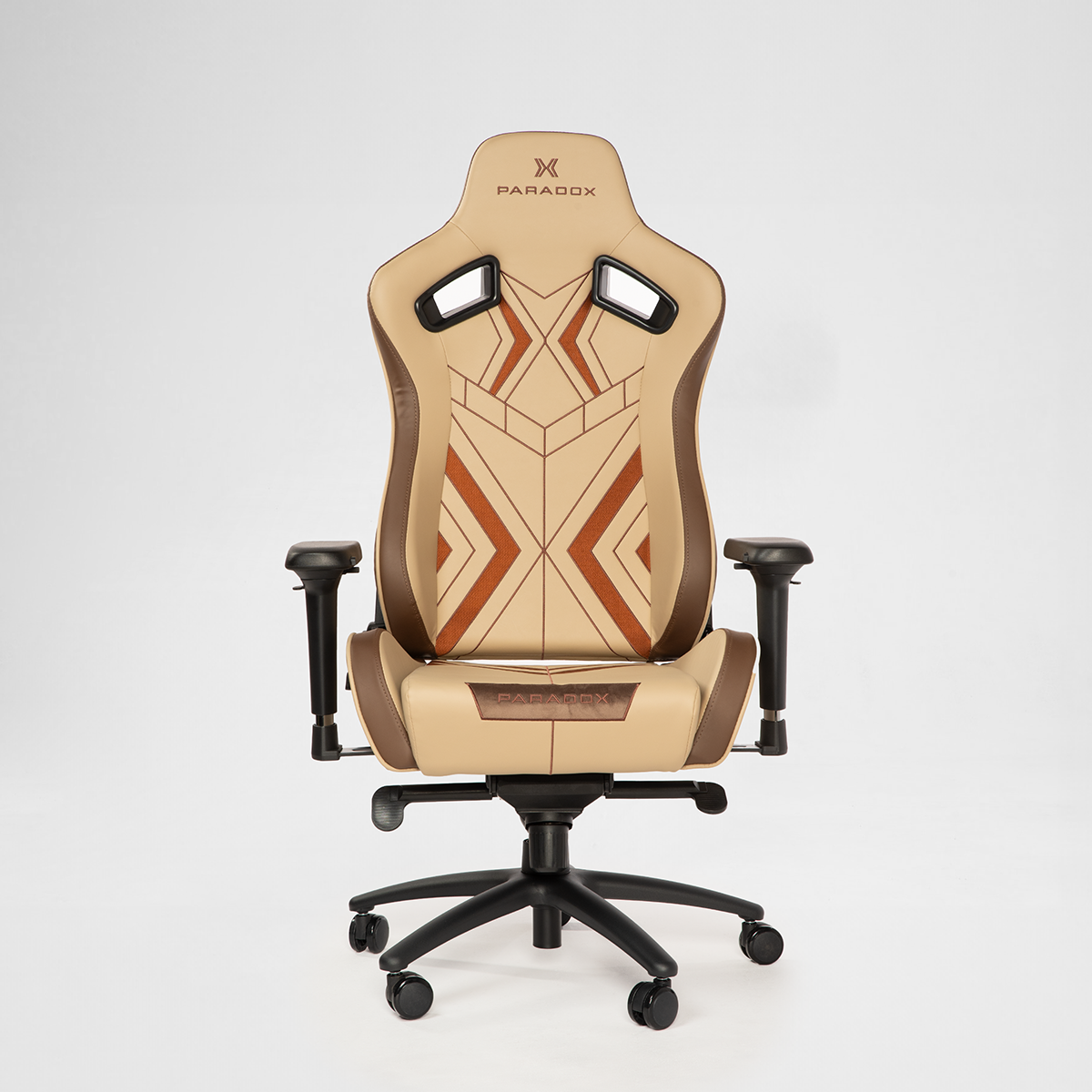
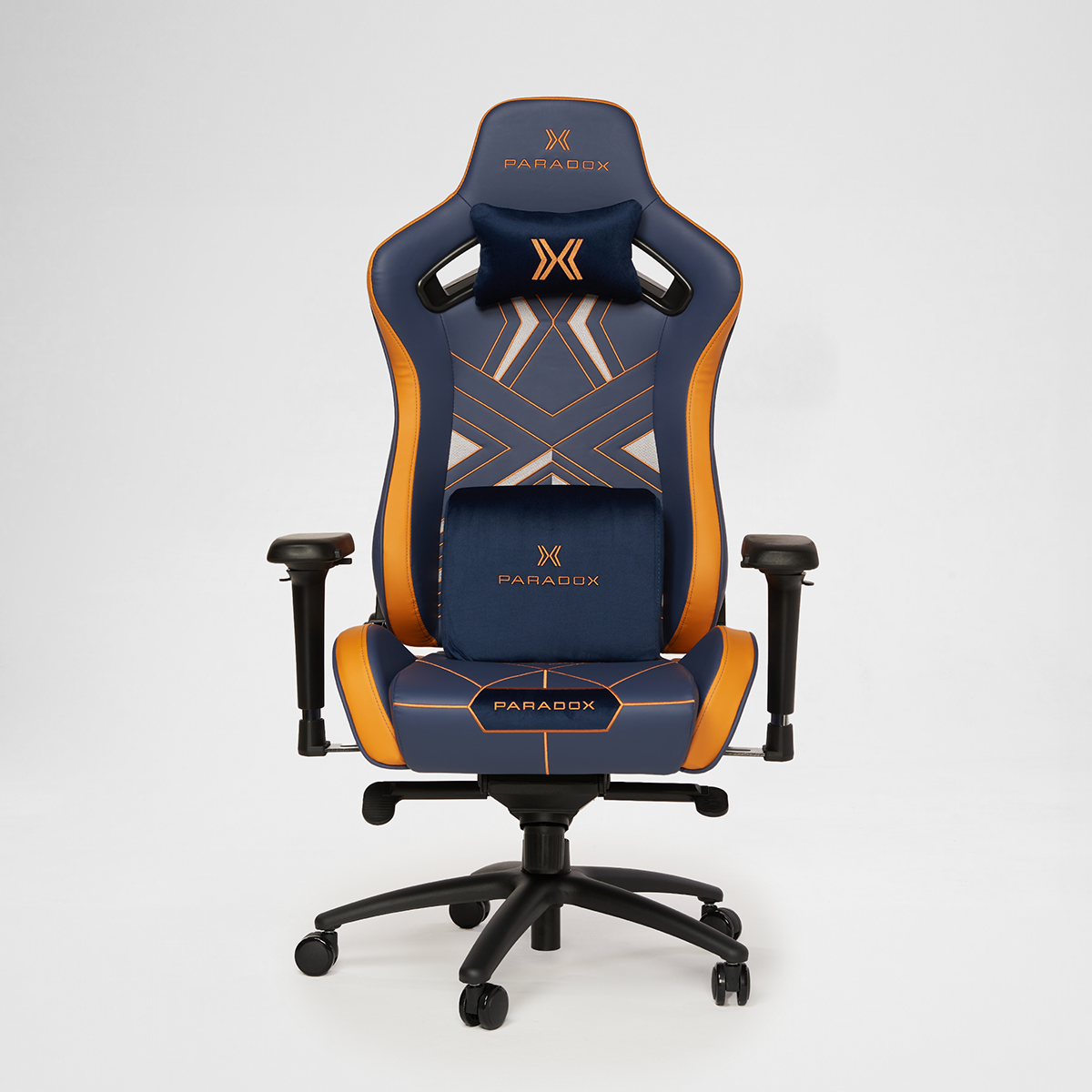
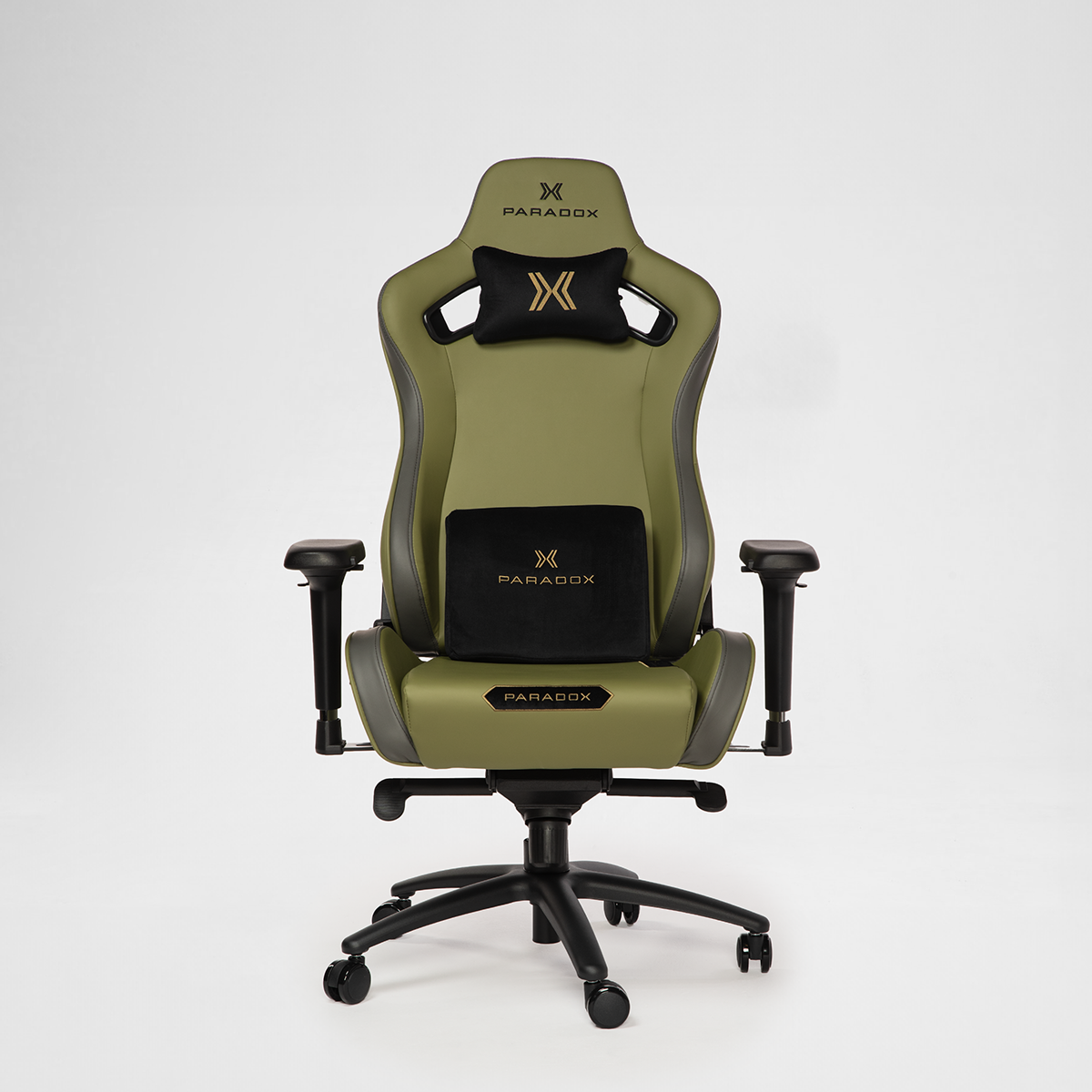
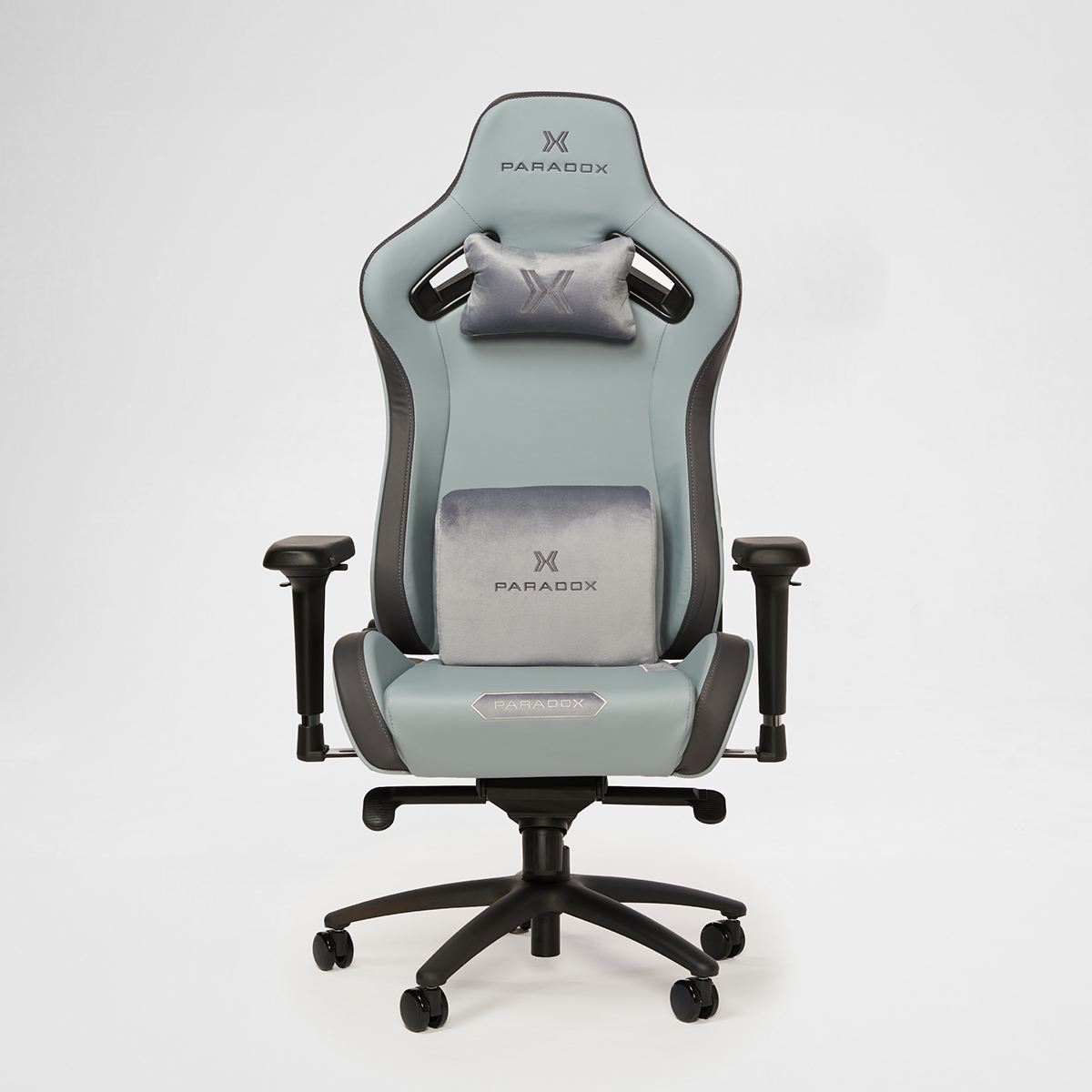
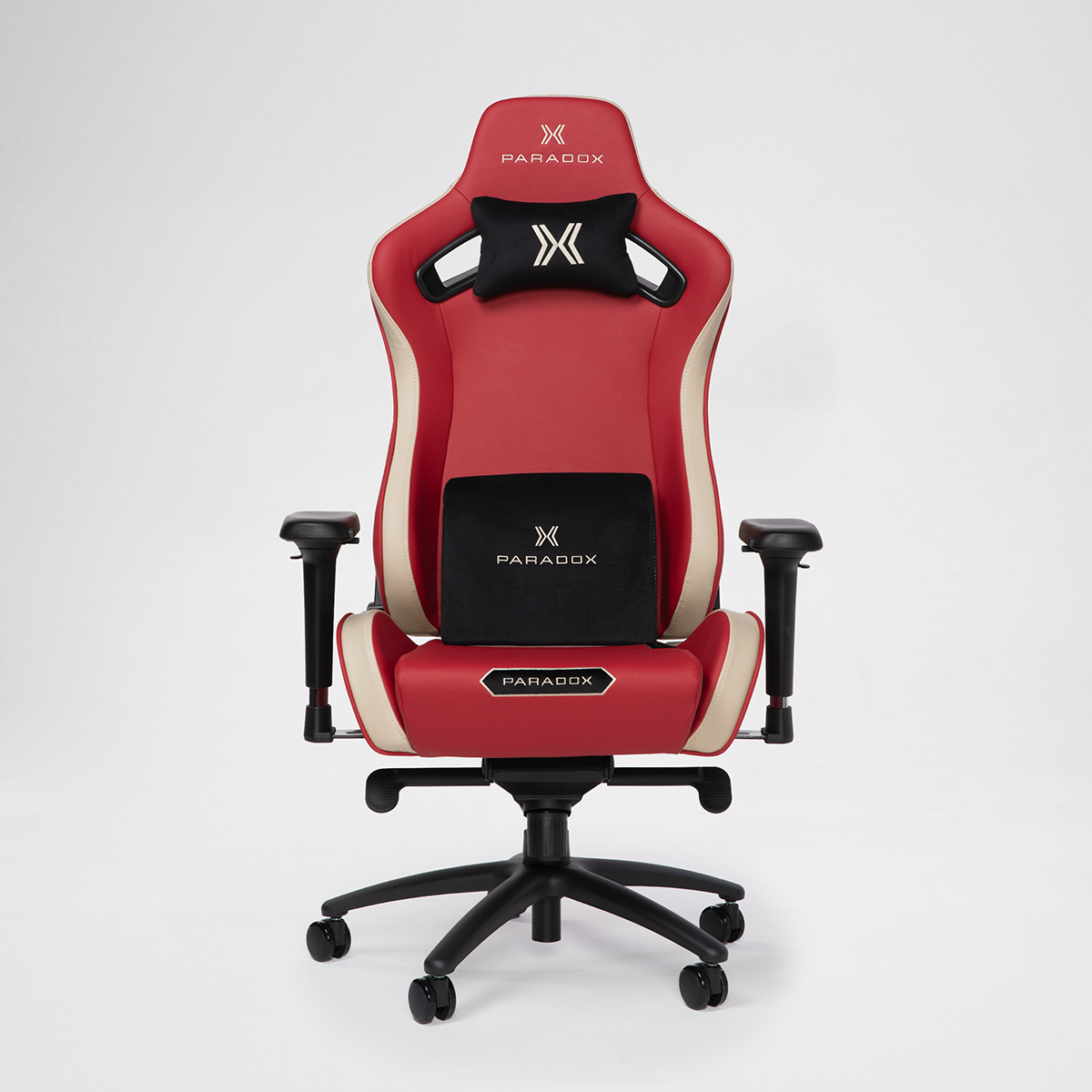
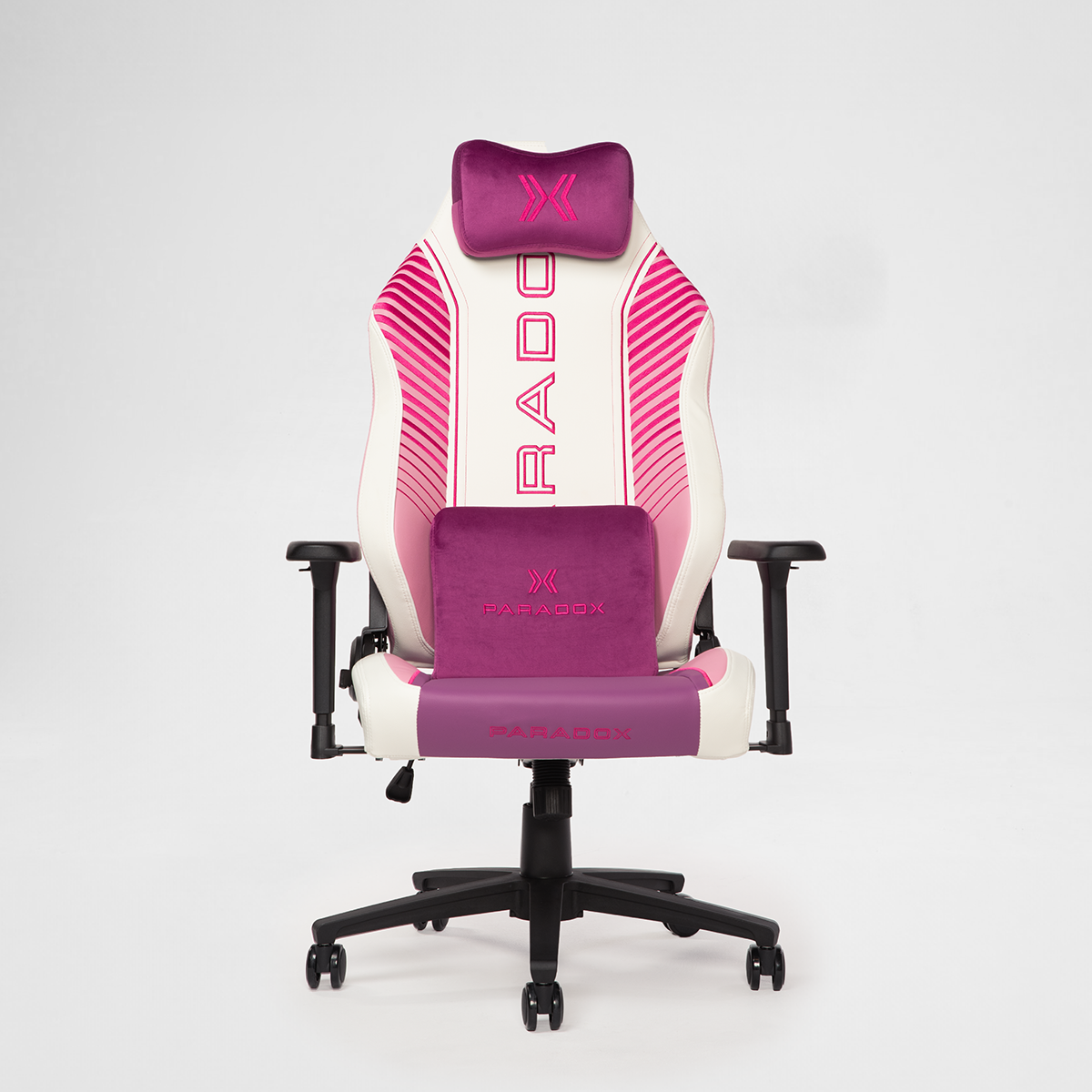
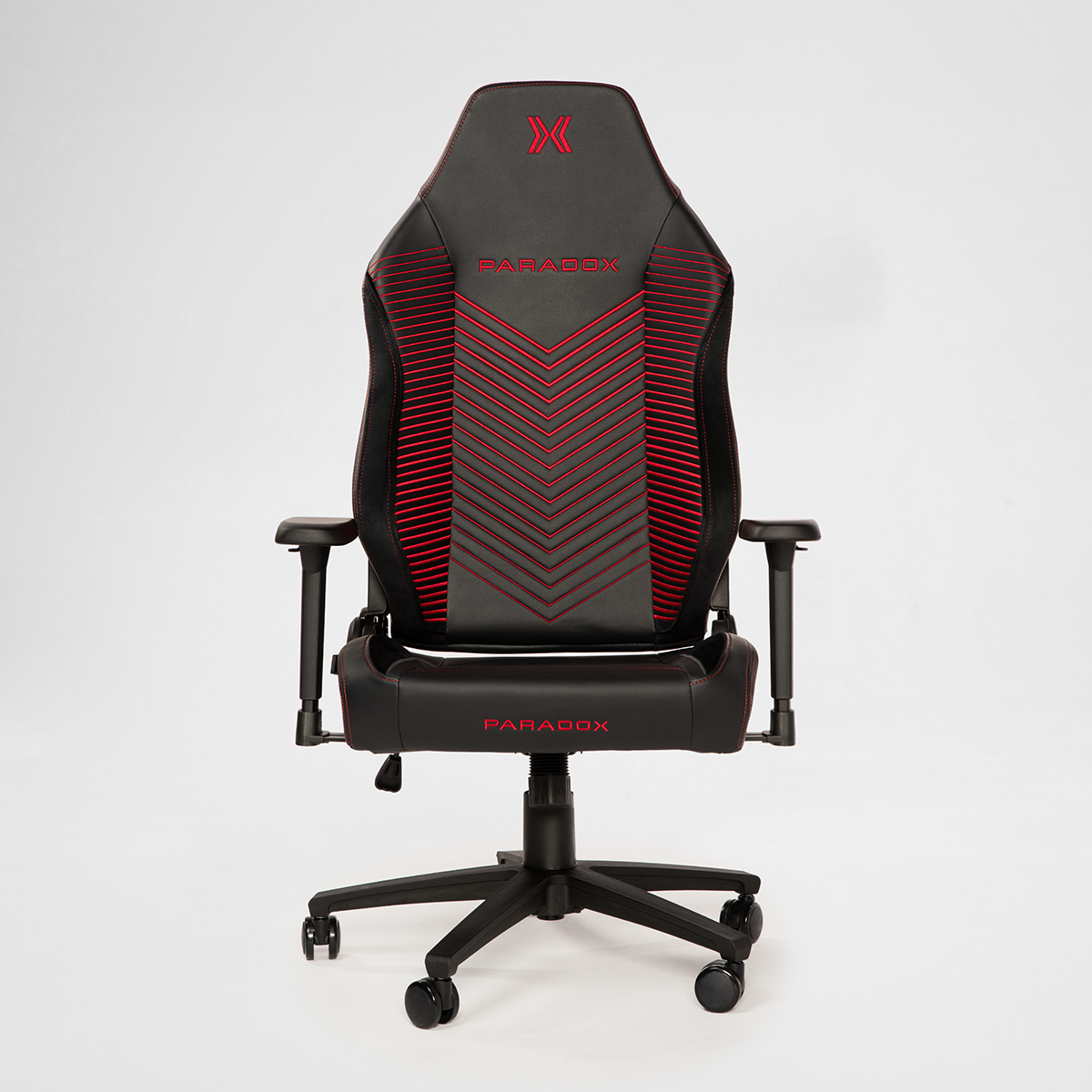
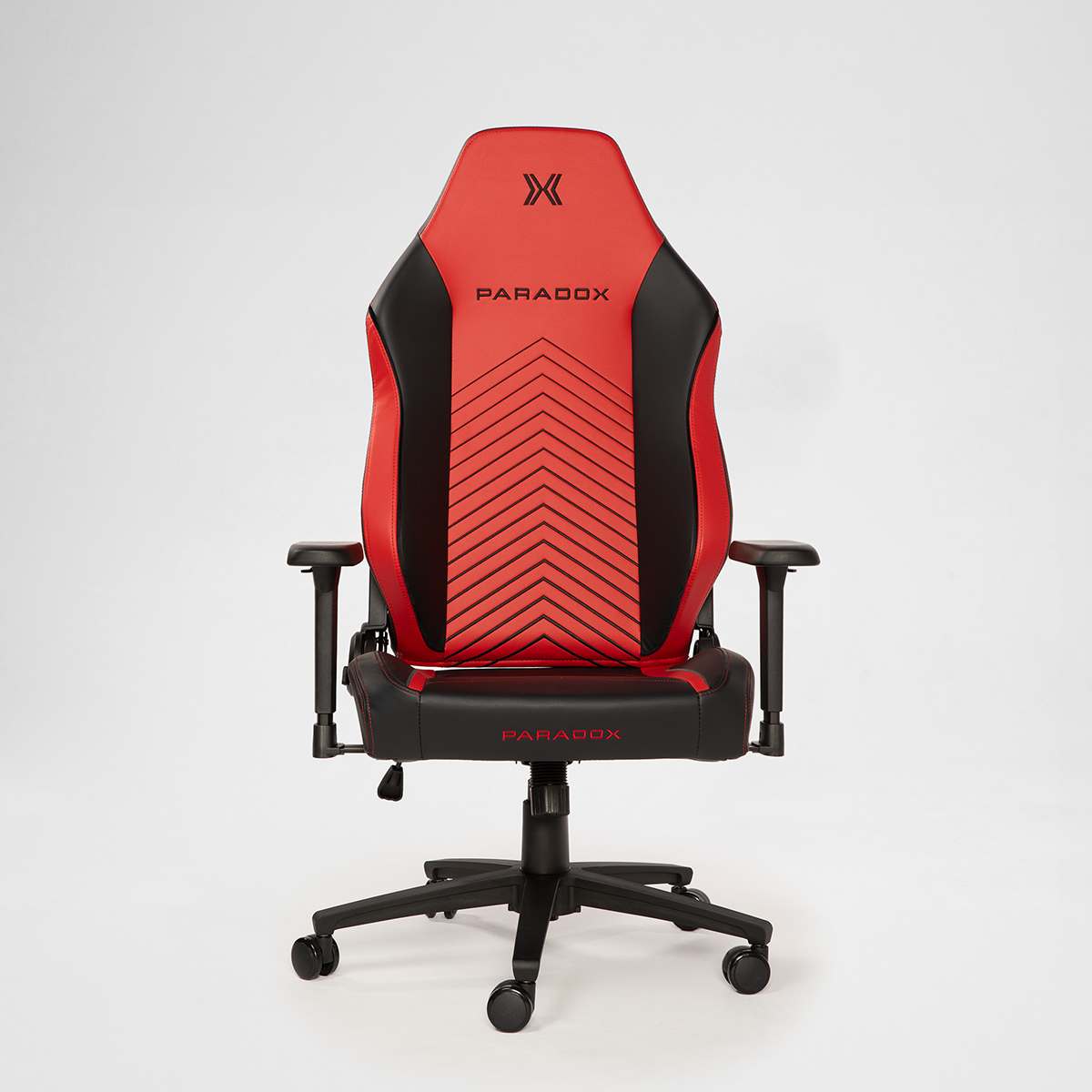
- Gaming chair designs are predominantly eco-leather, with bold color accents and stitching that define the aesthetic. The Paradox Commander and Vanguard both use eco-leather for this reason.
Mesh
- Looks modern, minimal, and tech-forward. Think “Silicon Valley office” not “corner office.”
- Color options are typically more limited — mostly black, grey, or muted tones. The material doesn’t lend itself to bold patterns.
- On video calls, mesh chairs read as “professional home office” rather than “gamer” — which may or may not be what you want.
- Mesh chairs don’t visually age as quickly. No peeling, no fading, no wear patterns visible on camera.
Aesthetics Winner: Depends entirely on your preference and context. Eco-leather for traditional/gaming, mesh for modern/professional.
Maintenance and Care
Eco-Leather Maintenance
- Wipe down weekly with a damp cloth.
- Use PU leather conditioner every 2-3 months to prevent premature cracking.
- Keep away from direct sunlight (UV accelerates degradation).
- Avoid harsh chemicals (no bleach, no alcohol-based cleaners).
- Clean spills immediately — PU leather doesn’t absorb liquids, but stains can set if left.
Mesh Maintenance
- Vacuum or brush dust off periodically (mesh attracts less dust than fabric but more than leather).
- Spot clean with mild soap and water for stains.
- That’s… mostly it. Mesh is remarkably low-maintenance.
Maintenance Winner: Mesh (much less ongoing care required)
Climate and Environment Considerations
Where you live and work should genuinely influence your material choice:
Choose Mesh If:
- You live in a warm or humid climate (Mediterranean, tropical, or summer-heavy continental)
- Your workspace lacks air conditioning or has inconsistent climate control
- You personally run warm (you know who you are)
- You sit 6+ hours per day
- Humidity is high — PU leather in humid environments degrades faster and feels clammy
Choose Eco-Leather If:
- You work in a climate-controlled environment year-round
- You live in a cooler climate where heat buildup isn’t a concern
- Your sessions are typically under 4 hours
- You prefer the cushioned feel and don’t mind the warmth
- The aesthetic is important to you (gaming setup, executive look)
Price Comparison at Similar Quality Levels
At equivalent quality levels, mesh chairs tend to cost slightly more than eco-leather chairs. This is because:
- Quality mesh material (especially Korean-manufactured mesh) is more expensive than quality PU leather.
- Mesh requires a more complex frame structure to maintain tension and support.
- The manufacturing process for mesh backrests involves more engineering to achieve proper ergonomic curvature.
At Paradox24, this is visible in the lineup:
- The Vanguard (eco-leather/fabric gaming chair) starts at €199.
- The Ergo One (full mesh ergonomic) starts at €369.
- The Ergo Milano Pro (premium Korean mesh with Donati mechanism) sits at €599.
The price difference reflects not just the material cost but also the additional ergonomic engineering (synchro-tilt mechanisms, adjustable lumbar systems) that typically accompanies mesh chair designs.
The Hybrid Approach: Why Not Both?
Some of the best chairs on the market use a hybrid approach:
- Mesh back + foam seat: Breathable where it matters most (your back generates more heat than your thighs) with cushioned comfort below. This is the approach used by many premium ergonomic chairs.
- Mesh back + mesh seat: Maximum breathability throughout. Found in chairs like the Ergo Milano Pro and the Herman Miller Aeron. Purist’s choice for all-day sitting.
- Eco-leather shell + ventilated design: Some gaming chairs incorporate perforated PU leather or mesh inserts to improve airflow while maintaining the leather aesthetic. It helps, but it’s a compromise — not equivalent to full mesh breathability.
What About Fabric? The Third Option
We’d be remiss not to mention fabric upholstery, which sits between mesh and eco-leather on most metrics:
- Breathability: Better than PU leather, worse than mesh. Fabric weave allows some airflow.
- Comfort: Similar to eco-leather’s cushioned feel but without the clammy heat buildup.
- Durability: Quality fabric outlasts PU leather but can stain and absorb odors. Not as maintenance-free as mesh.
- Aesthetics: Wide range of colors and textures. Professional appearance that photographs well.
The Paradox Vanguard is available in a fabric variant — a good compromise for budget-conscious buyers who want better breathability than eco-leather without stepping up to a full mesh ergonomic chair.
Real-World Decision Matrix
Let’s make this practical. Here’s a decision matrix based on real scenarios:
Scenario 1: Full-Time Developer Working From Home
8+ hours daily, probably warm from the gaming PC doubling as a space heater, needs all-day comfort.
→ Mesh. Specifically, a full mesh ergonomic chair with synchro-tilt. The Ergo Milano Pro or Ergo One.
Scenario 2: Content Creator / Streamer
4-6 hours of gaming and streaming, the chair is visible on camera, aesthetics matter for the brand.
→ Eco-leather gaming chair. The Commander or Ultimate depending on budget. The look is part of the setup.
Scenario 3: Hybrid Office Worker
3 days at home, 2 at the office. 6 hours daily at home, video calls throughout.
→ Mesh. It reads professionally on camera, stays comfortable all day, and you won’t need to think about it between now and 2031.
Scenario 4: Student on a Budget
2-4 hours of study, some gaming, minimal budget.
→ Fabric or eco-leather at the entry level. The Vanguard in fabric offers the best breathability-to-price ratio at this tier.
Scenario 5: Executive / Client-Facing Professional
The chair appears in background of client calls, board meetings, LinkedIn profile photos.
→ Either works. Mesh reads as “modern tech-forward,” eco-leather reads as “traditional executive.” Choose the impression you want to make.
The Longevity Math
Let’s run the numbers on a 5-year ownership period:
- Eco-leather chair at €300: Likely needs replacement or re-upholstery by year 3-4. Effective cost: €75-100/year.
- Mesh chair at €400: Still going strong at year 5, probably lasts to year 7-8+. Effective cost: €50-57/year.
- Premium mesh chair at €600: Designed to last 7-10 years. With a 5-year warranty, your risk is minimal. Effective cost: €60-85/year.
The premium mesh chair is actually the cheapest per year of use — and comes with the best warranty protection. This is the math that corporate procurement departments have already done, which is why you see mesh chairs in every modern office.
Final Verdict
For all-day work: Mesh wins. The combination of breathability, consistent comfort, durability, and low maintenance makes it the rational choice for anyone sitting 5+ hours daily. It’s not even a close call for warm climates or poorly ventilated spaces.
For gaming and mixed use: Eco-leather has its place. The aesthetic is unmatched for gaming setups, the cushioned feel is genuinely comfortable for shorter sessions, and modern premium eco-leather is more durable than the PU leather of five years ago.
For the best of both worlds: Look at mesh-back chairs with padded seats, or consider owning two chairs (one for work, one for gaming) if your space and budget allow it.
Whatever you choose, remember: the material is important, but it’s not the whole story. A mesh chair with a terrible mechanism is worse than an eco-leather chair with a great one. Prioritize adjustability and build quality first, then optimize for material within your budget.
All Paradox24 chairs — whether mesh, eco-leather, or fabric — ship free across the EU with a 100-day return policy. That’s 100 days to test whether mesh or eco-leather suits your body, your climate, and your workstyle. No review can replace that kind of hands-on testing.
Your back has opinions. It’s time to listen to them.