English

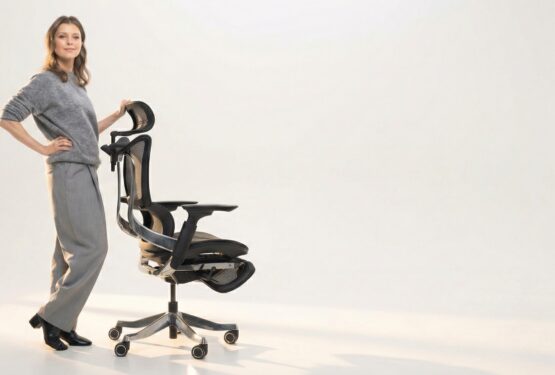
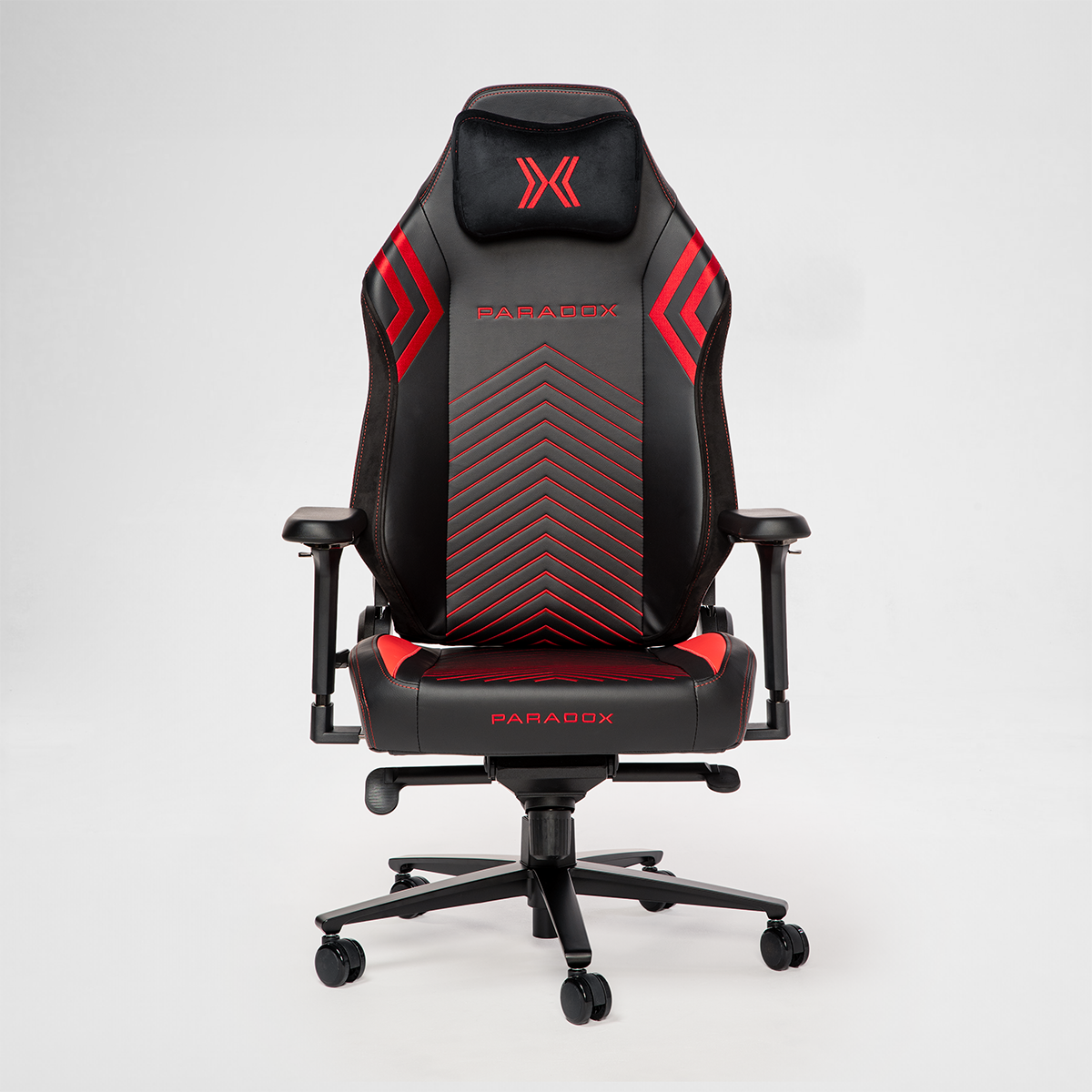
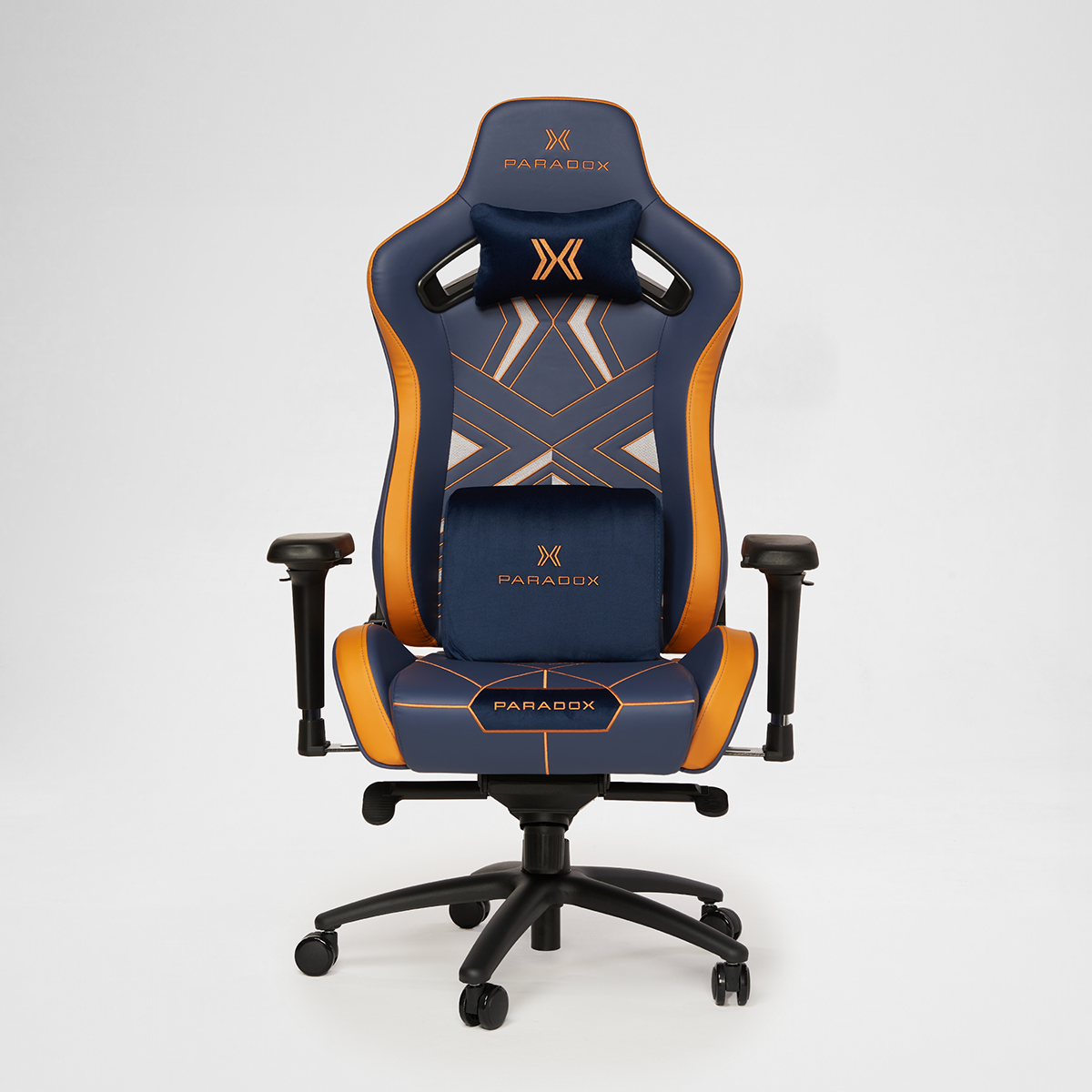
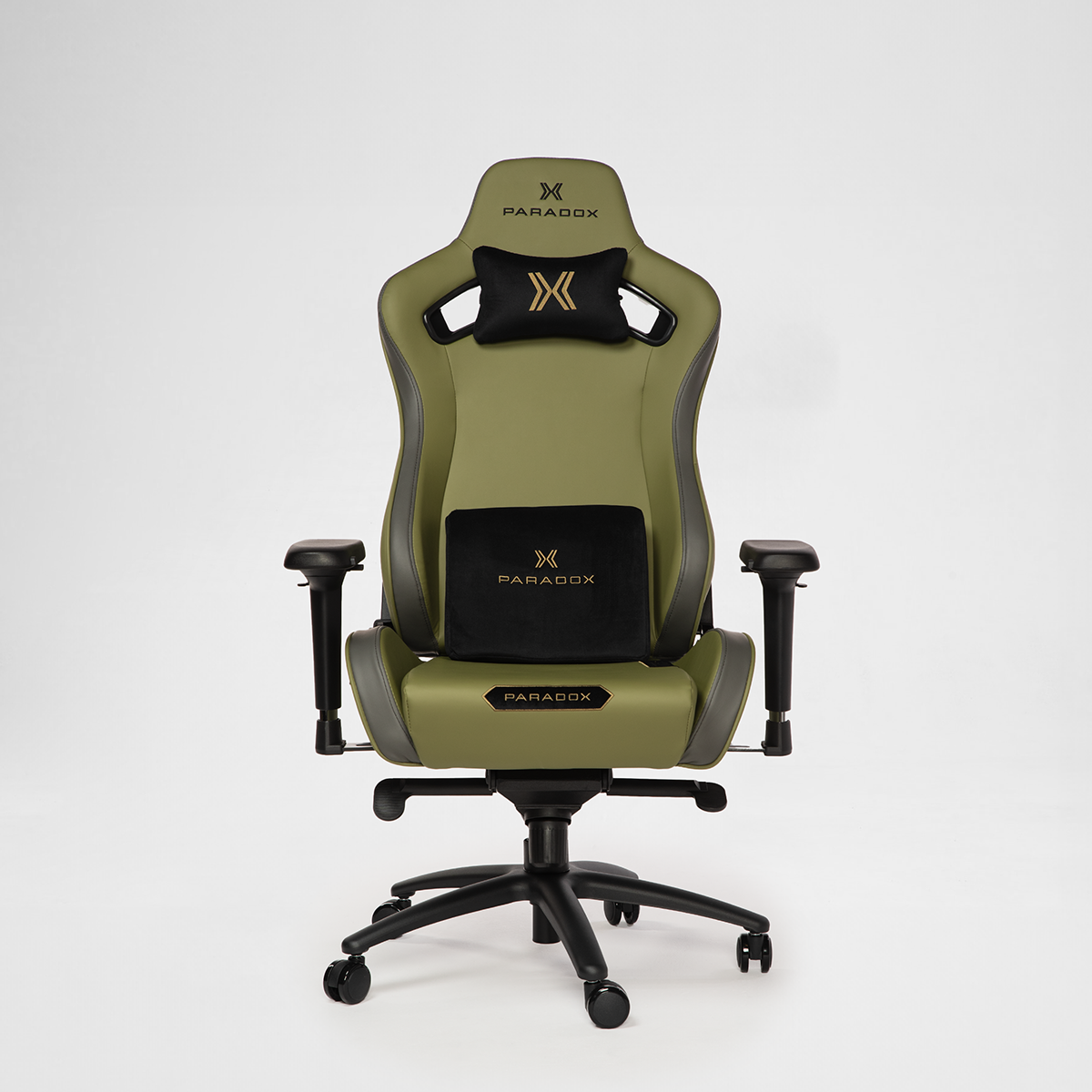
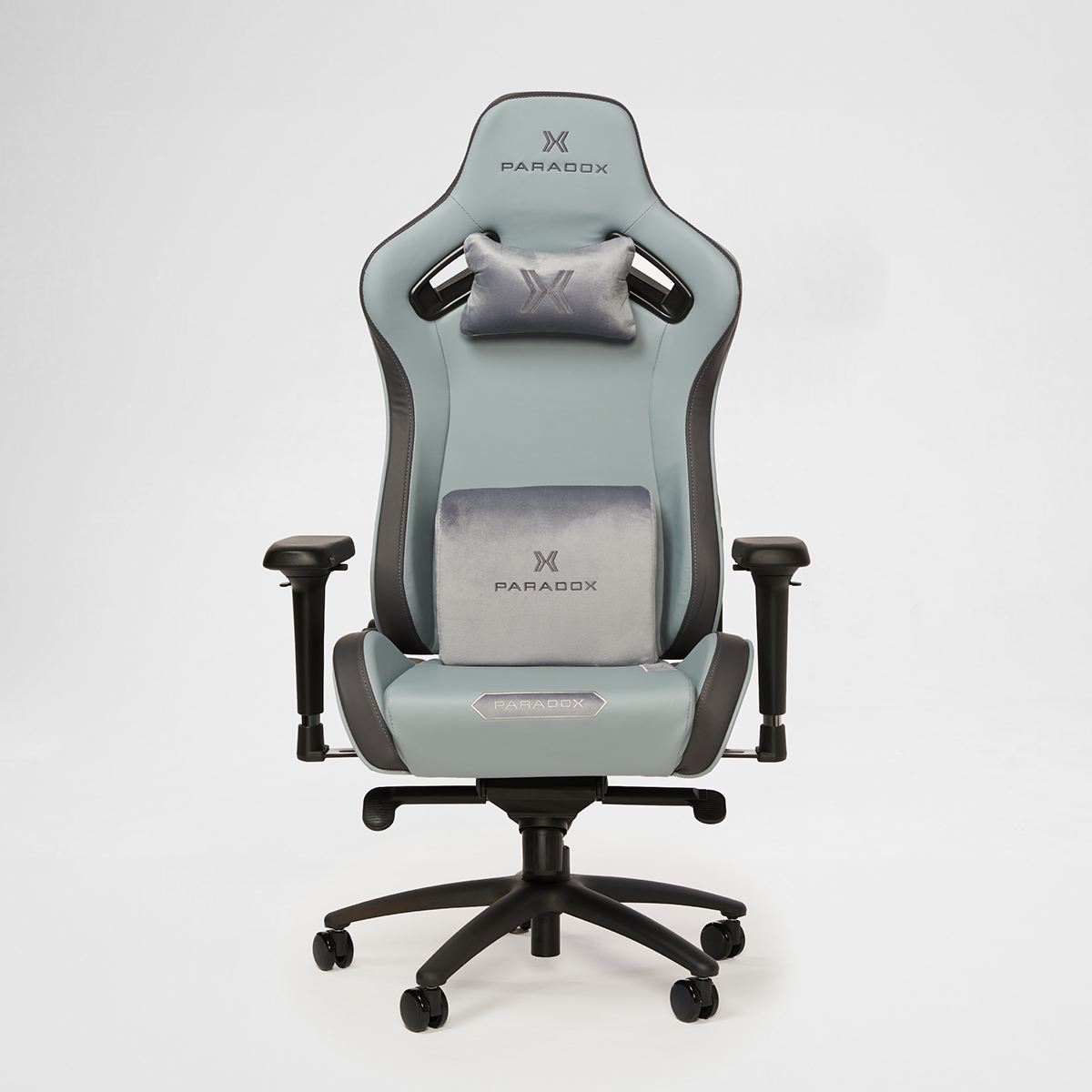
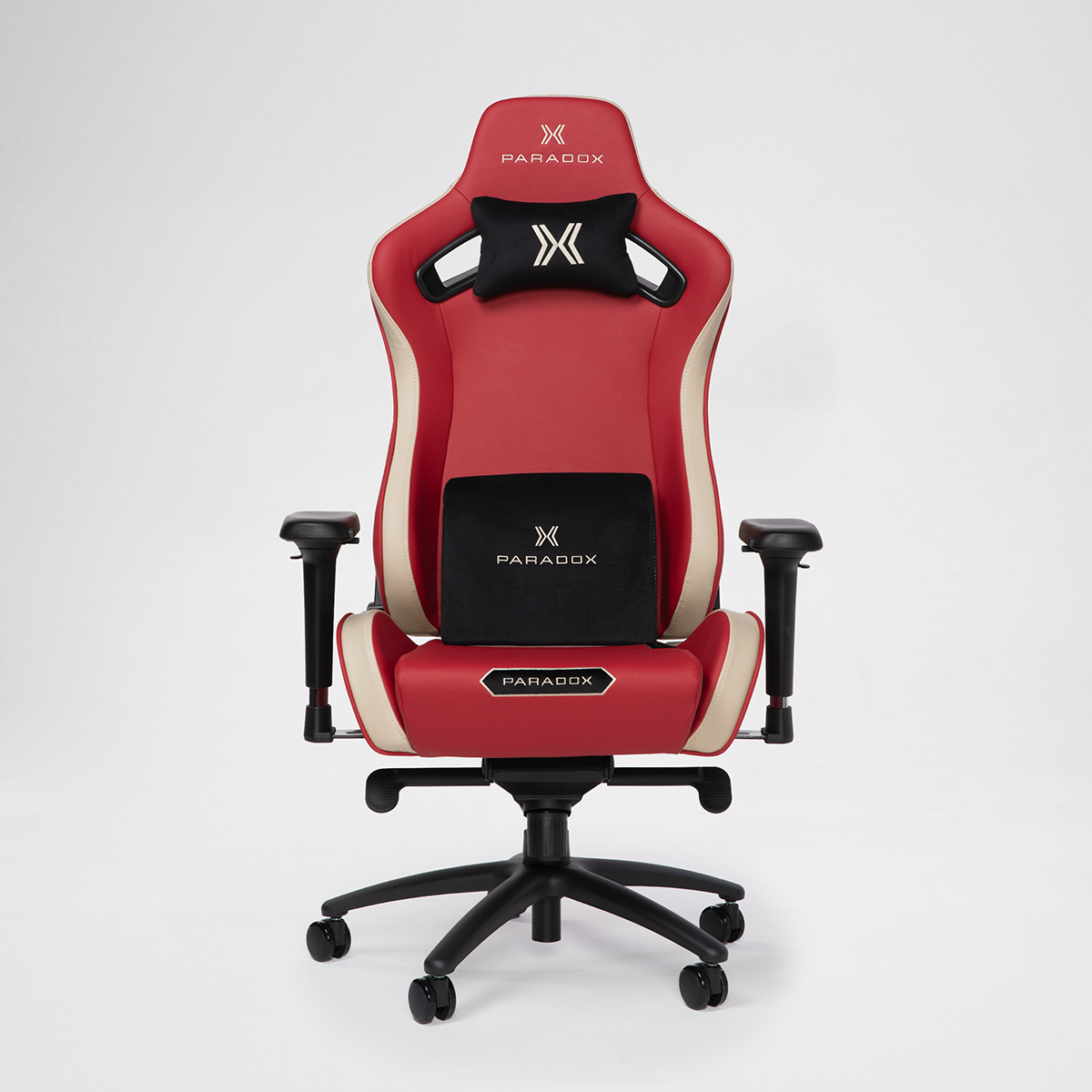
Let’s settle this once and for all. You’ve been sitting on a dining chair for way too long, your back is staging a rebellion, and you’ve finally decided to invest in a proper seat. But now you’re staring at two very different-looking options: a bold, race-car-inspired gaming chair and a sleek, mesh-backed ergonomic office chair.
Which one actually deserves your money?
The gaming chair market alone is projected to reach USD 2.43 billion by 2030, growing at over 8% annually. Meanwhile, ergonomic office chairs have quietly dominated corporate procurement for decades. Both camps have passionate defenders. Both have genuine strengths. And both have marketing departments working overtime to convince you theirs is the only option.
Here’s the honest breakdown — from someone who’s spent too many hours researching chairs so you don’t have to.
The Fundamental Difference: Design Philosophy
Before we compare specs, let’s talk about why these chairs look so different.
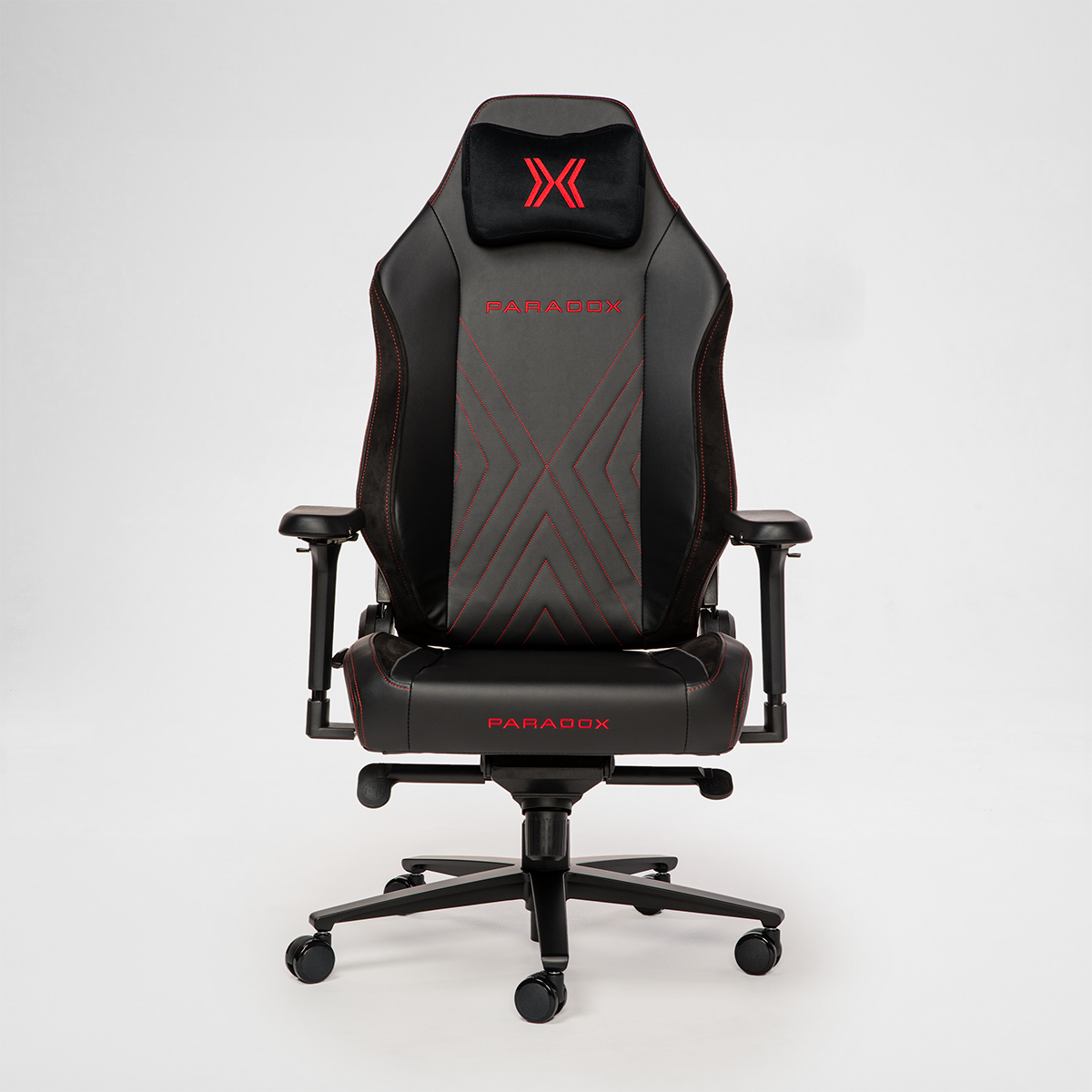
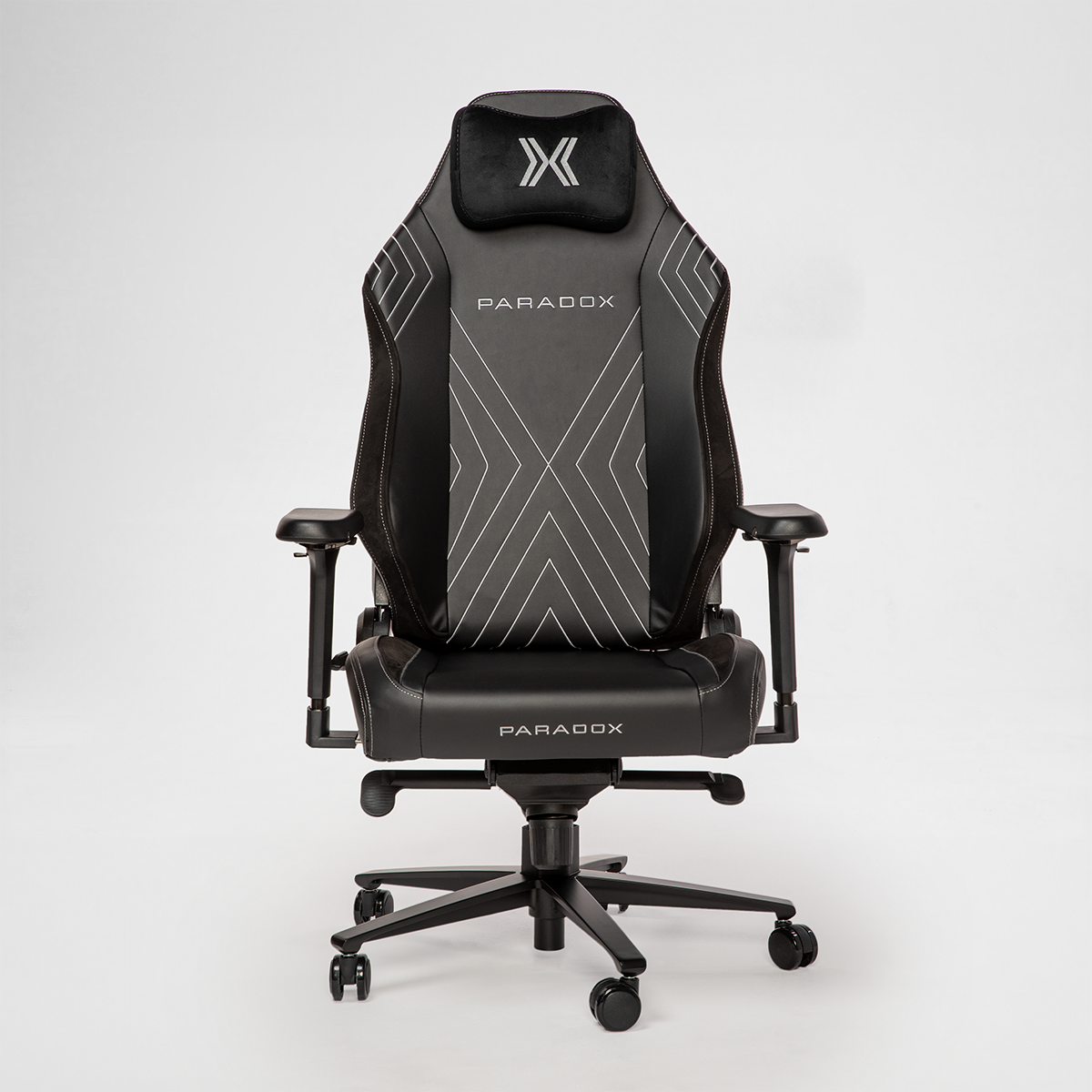
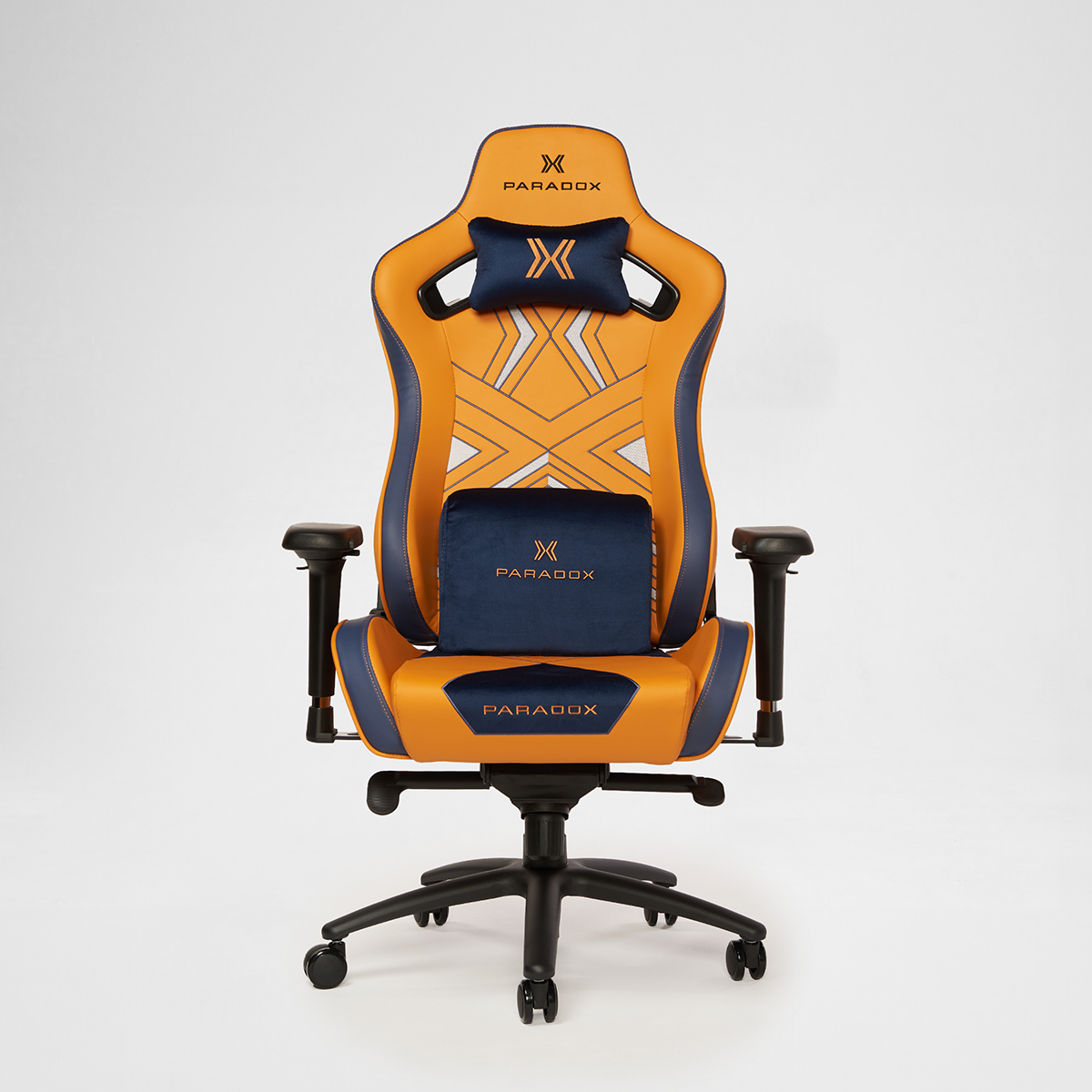
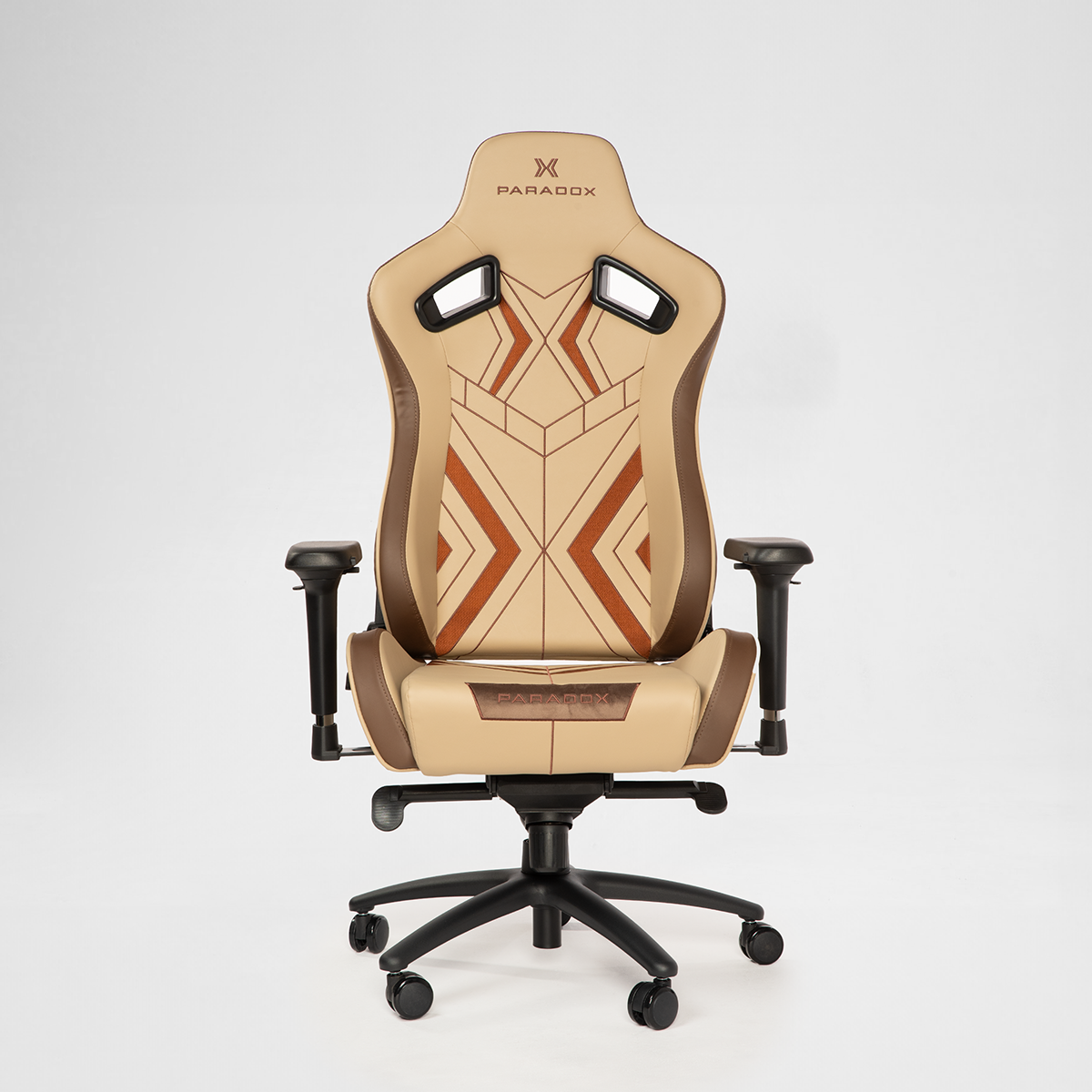
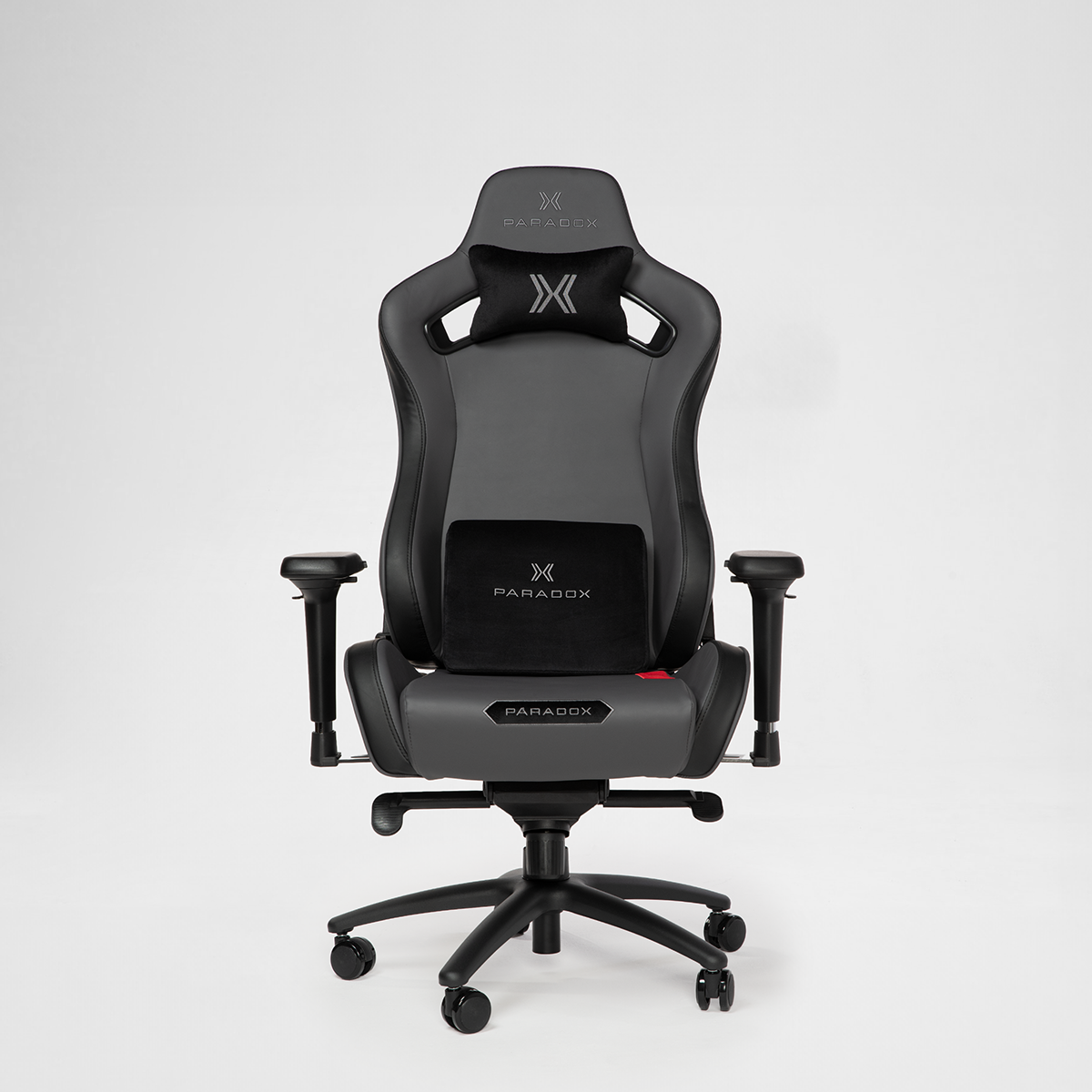
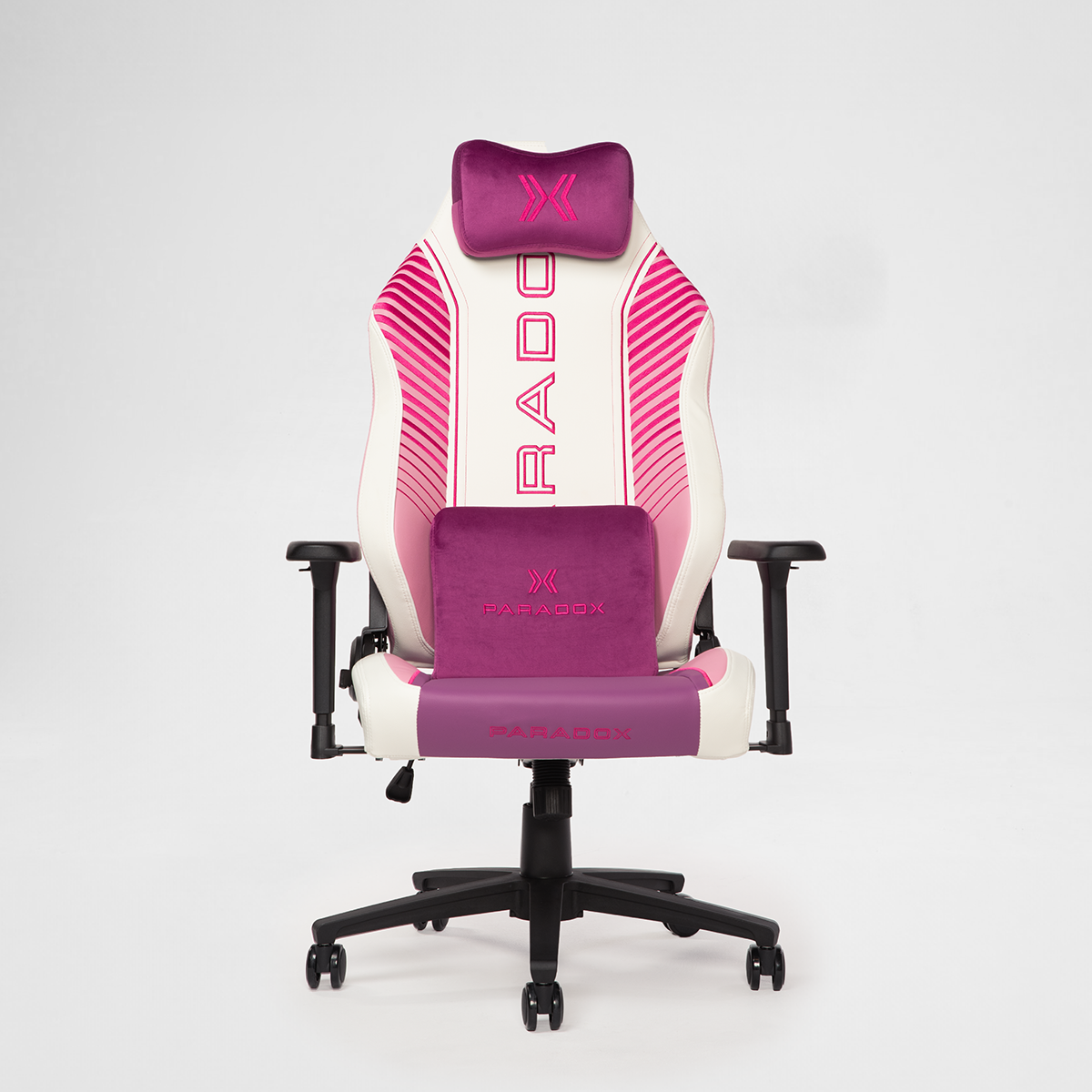
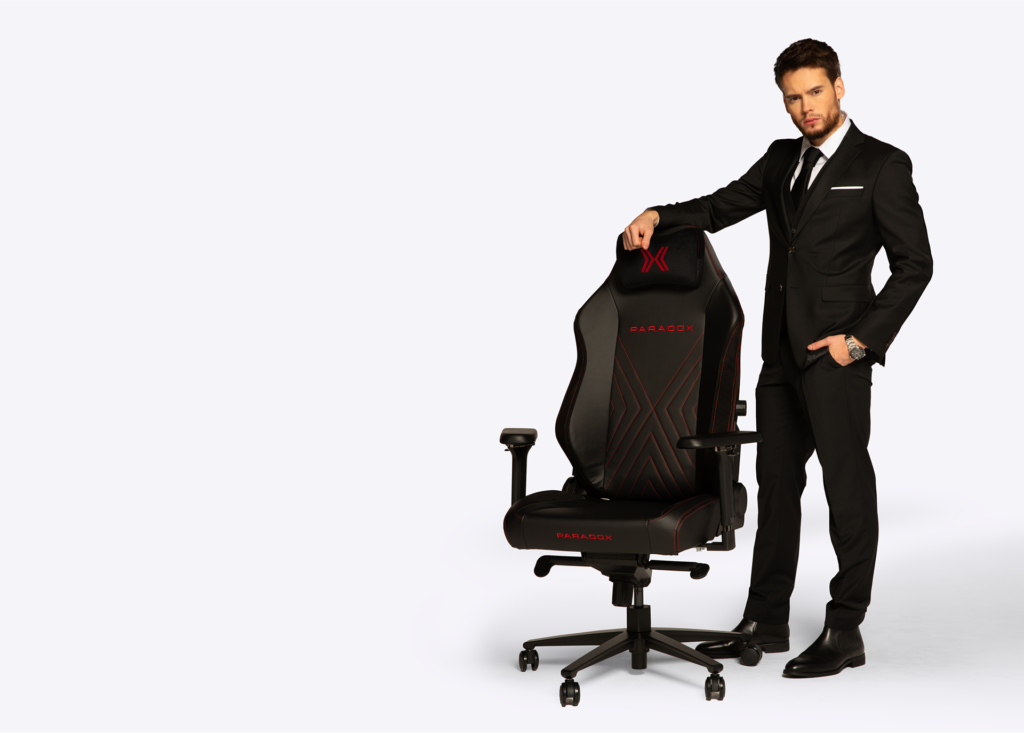
Gaming chairs evolved from racing bucket seats. Literally. The high side bolsters, aggressive recline, and bold color schemes all trace back to car seats designed to keep you locked in during high-G turns. That’s cool if you’re hitting an apex at Monza. Less relevant if you’re hitting deadlines in your home office.
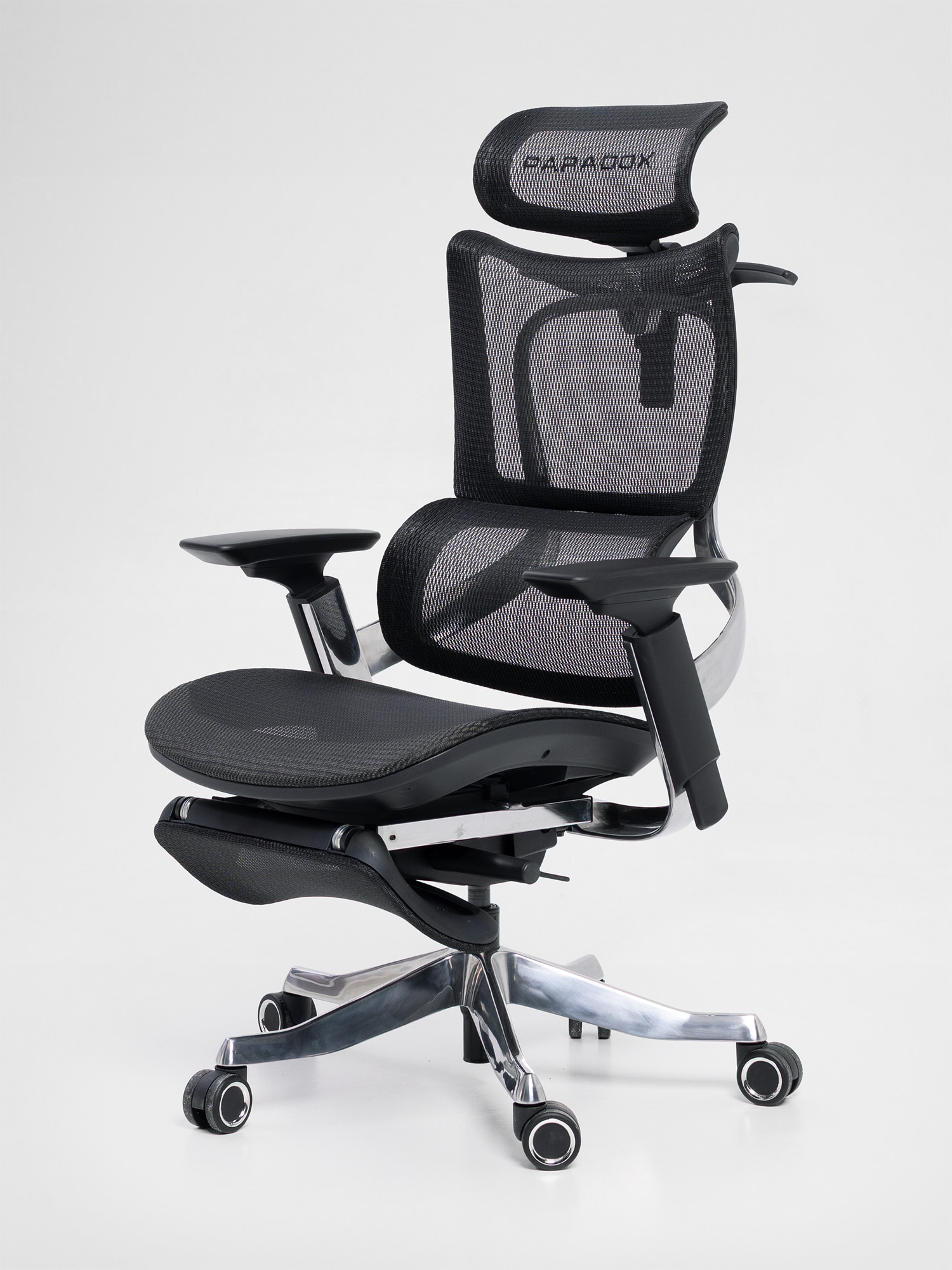
Ergonomic chairs evolved from decades of workplace health research. Their design philosophy starts with a question: “How do we keep a human comfortable and healthy during 8+ hours of seated work?” The answers tend to involve adjustable lumbar support, breathable materials, and mechanisms that encourage micro-movements throughout the day.
Neither philosophy is inherently wrong — they’re just optimizing for different things.
Comfort: Short Sessions vs. Marathon Sitting
Here’s where things get interesting. A gaming chair often feels more comfortable in the first 30 minutes. The thick padding, the bucket seat embrace, the “I’m sitting in something expensive” vibe — it’s immediate gratification.
But comfort at hour one and comfort at hour six are very different animals.
A scoping review published in 2025 found that office workers spend approximately two-thirds of their daily work time sitting. That’s roughly 5-6 hours per day in your chair. At that duration, the features that matter shift dramatically:
- Breathability becomes critical. Thick foam padding and eco-leather trap heat. Mesh backs allow continuous airflow. By hour three, you’ll notice the difference.
- Dynamic support beats static cushioning. Synchro-tilt mechanisms — where the backrest and seat recline at a 2:1 ratio — keep your spine in alignment while allowing natural movement. Most gaming chairs only offer a basic recline.
- Adjustable lumbar support is non-negotiable. Many gaming chairs include a lumbar pillow. It’s better than nothing, but it tends to shift, flatten, or end up on the floor. Built-in, adjustable lumbar support stays exactly where you need it.
The Honest Exception
If your sessions are genuinely short (1-2 hours of evening gaming), and you want something that looks like it belongs on a Twitch stream, a gaming chair can work just fine. Just don’t pretend it’s optimized for your 9-to-5.
Posture and Health: What the Science Says
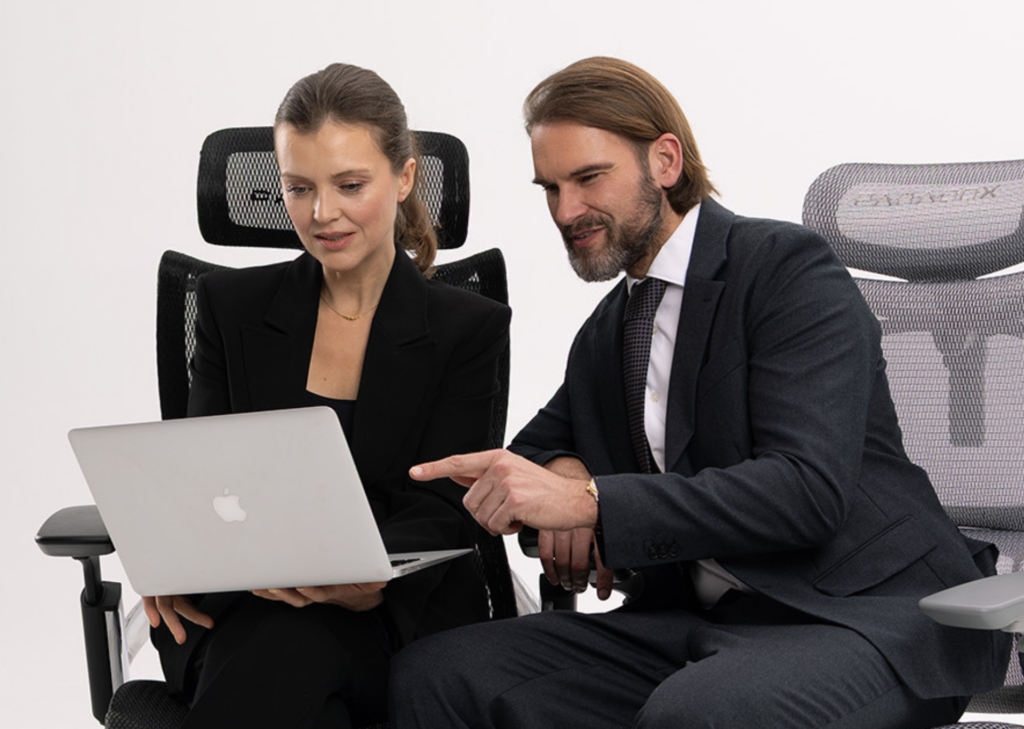
A 2025 study in Scientific Reports found that prolonged sitting with poor ergonomic support was significantly associated with increased neck, back, and knee pain among office workers. The study specifically recommended engineering controls like proper chairs and ergonomic training to correct posture.
Research from BMC Public Health shows the prevalence of musculoskeletal disorders among office workers at 27.5% for neck, 22.7% for shoulders, and 17.6% for lower back. These aren’t small numbers.
Here’s the key insight: the best posture is your next posture. Static sitting — no matter how “perfect” — creates problems. Your chair should encourage movement, not lock you in place.
This is where ergonomic chairs with synchro-tilt mechanisms genuinely shine. They’re designed to move with you, supporting dynamic sitting rather than forcing a fixed position. Gaming chairs, with their bucket seat design, tend to do the opposite — they hug you in place.
Build Quality and Longevity
Not all chairs are created equal, regardless of category. But there are some patterns:
Gaming chairs under €200 are typically built to a price point. Thin PU leather that starts peeling within 18-24 months. Basic tilt mechanisms. Foam that compresses and never bounces back. PU leather generally lasts 2-5 years, and cheaper variants sit at the low end of that range.
Ergonomic chairs under €200 have similar compromises — flimsy mesh, wobbly gas lifts, minimal adjustability.
The real differentiator isn’t the category — it’s the components. Look for:
- The mechanism: Italian-made mechanisms (like Donati) are the gold standard for synchro-tilt. If a manufacturer names their mechanism supplier, that’s a good sign.
- The base: Aluminium bases outlast nylon by years and support higher weight loads.
- The warranty: A 5-year warranty signals confidence. A 1-year warranty signals “good luck.”
- Certifications: Look for EN 1335 (European standard) or BIFMA (US standard). These mean the chair has been independently tested for safety, durability, and dimensional requirements.
Price-to-Value: Where Things Get Interesting
The premium ergonomic chair market has a reputation problem: the best-known names come with eye-watering price tags. A fully-loaded Herman Miller Aeron runs $1,545-$1,850. A Steelcase Leap V2 starts around $1,399. These are excellent chairs — no question. But they’re priced for corporate procurement budgets, not individual buyers.
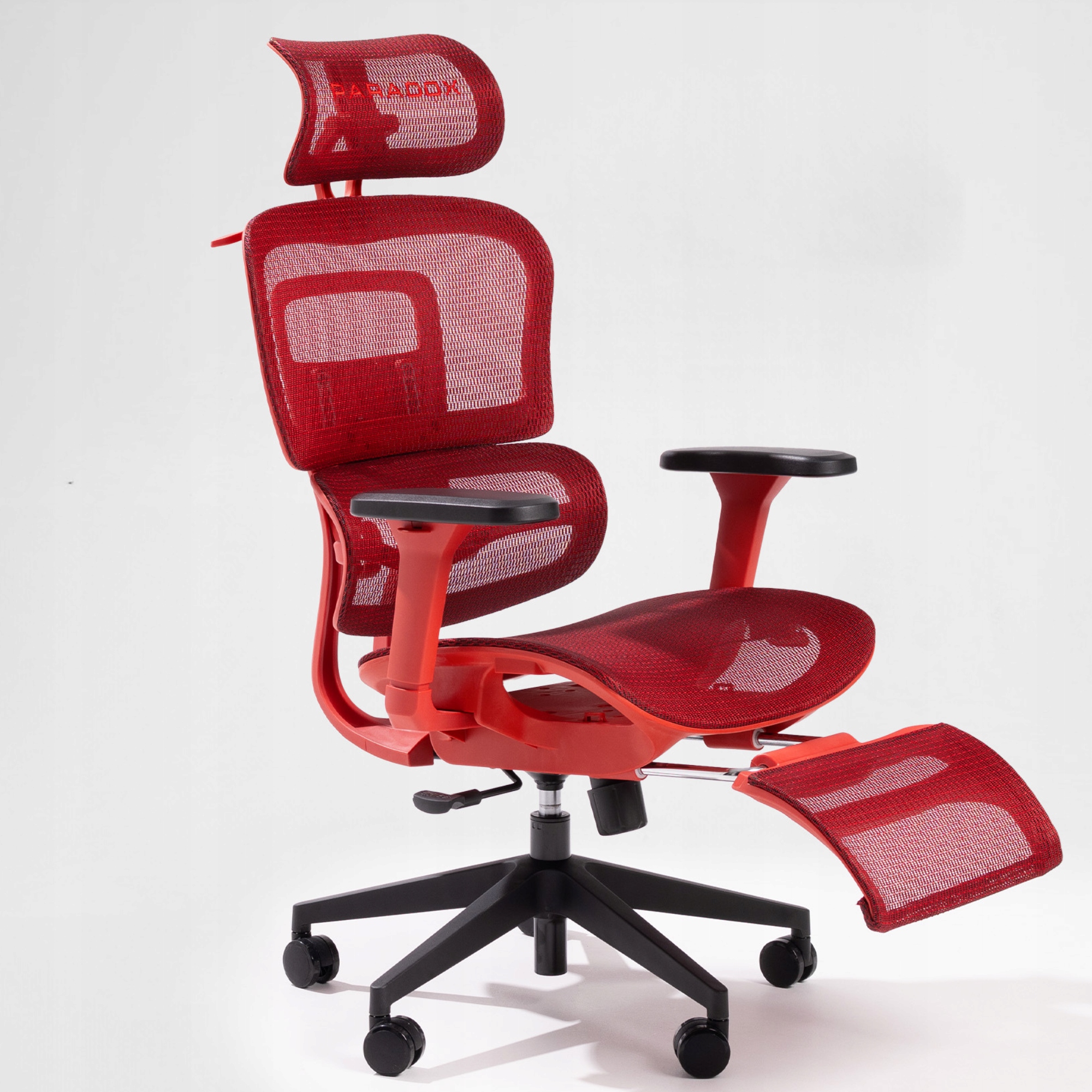
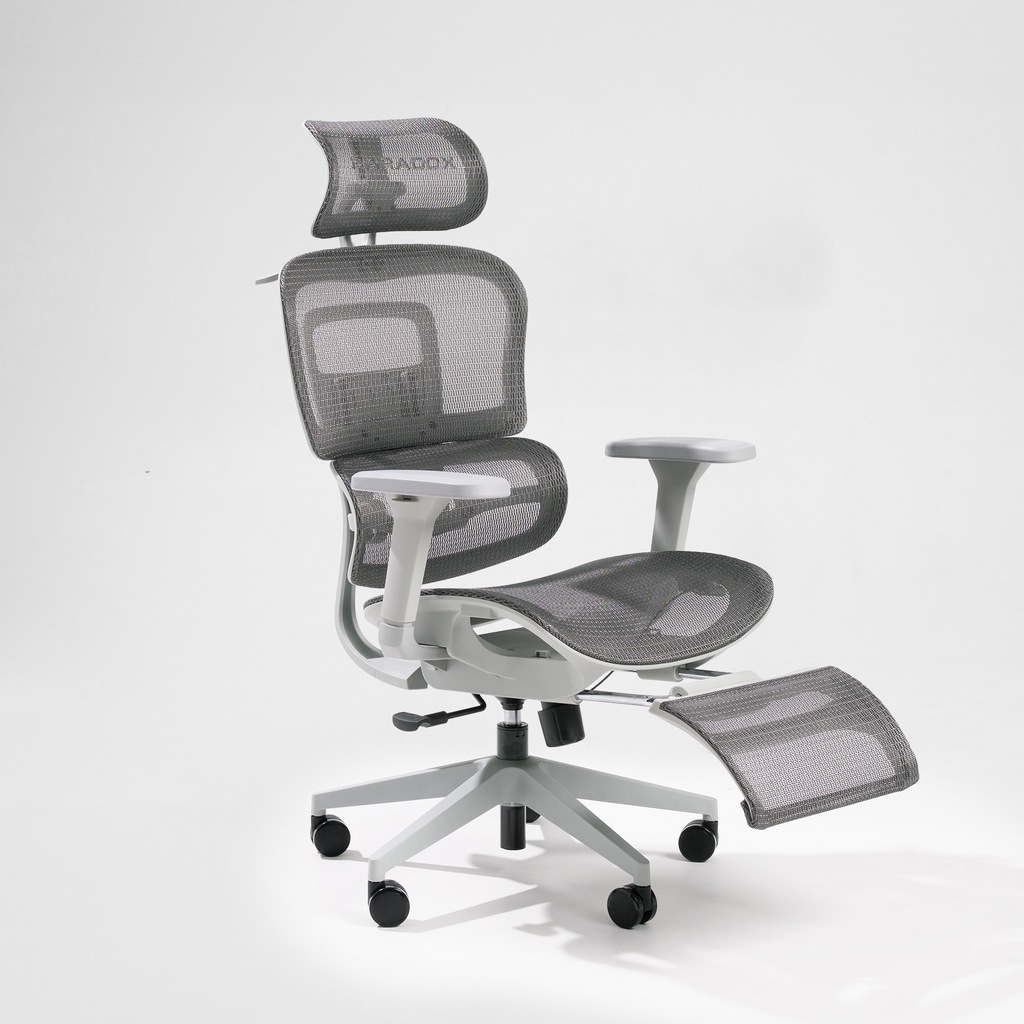
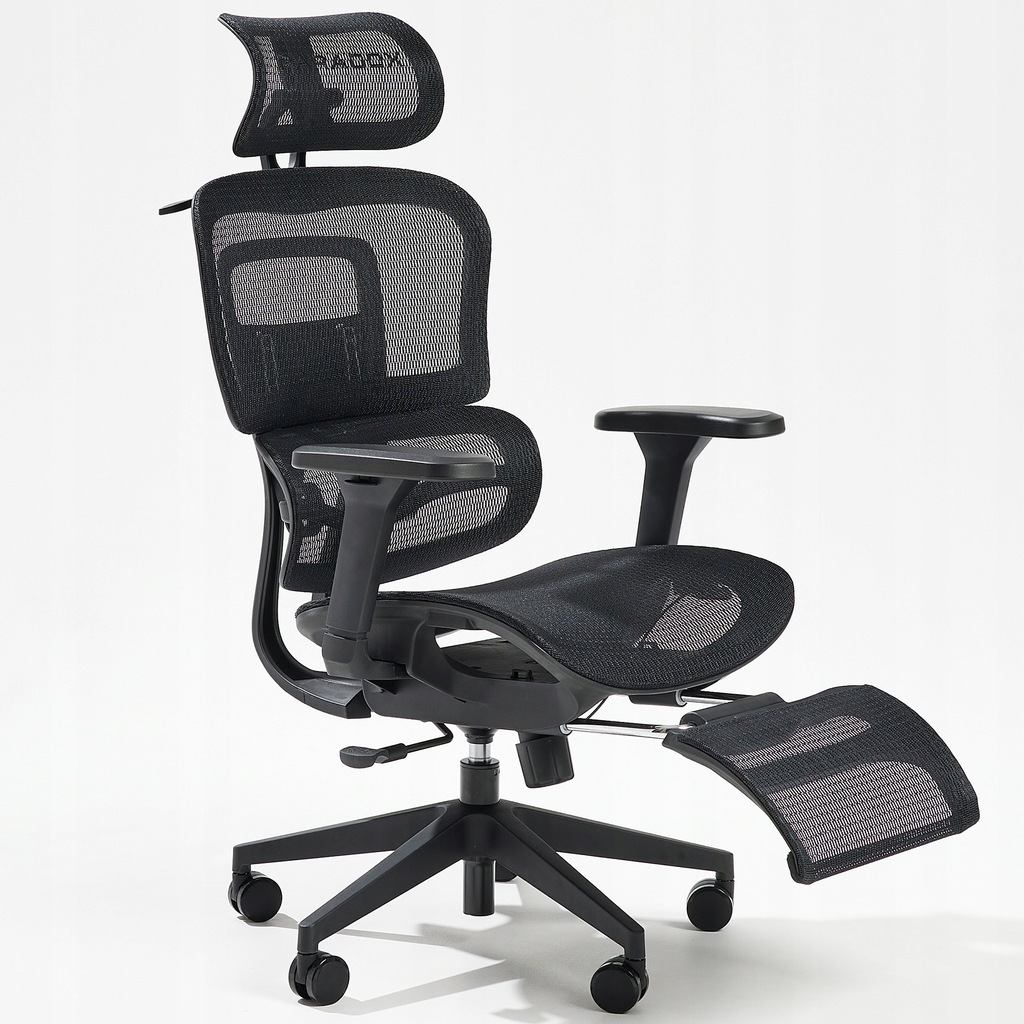
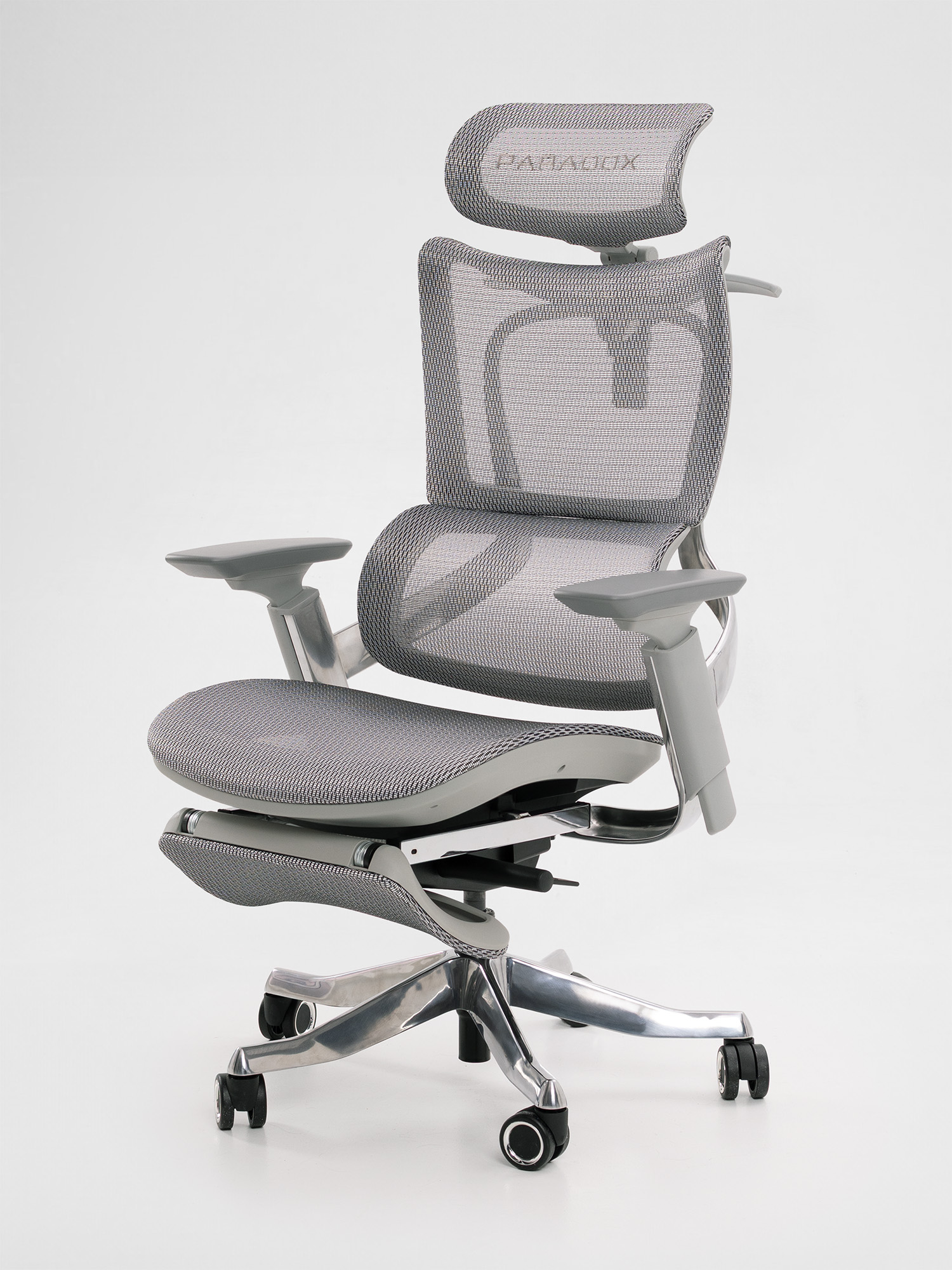
This gap has created an opportunity. European brands like Paradox24 are offering certified ergonomic chairs with premium components — Korean mesh, Donati synchro-tilt mechanisms, aluminium bases — at a fraction of those prices. The Ergo Milano Pro at €599, for example, includes features you’d typically find in chairs costing twice as much. And the Ergo One brings certified ergonomic seating down to the €369-399 range.
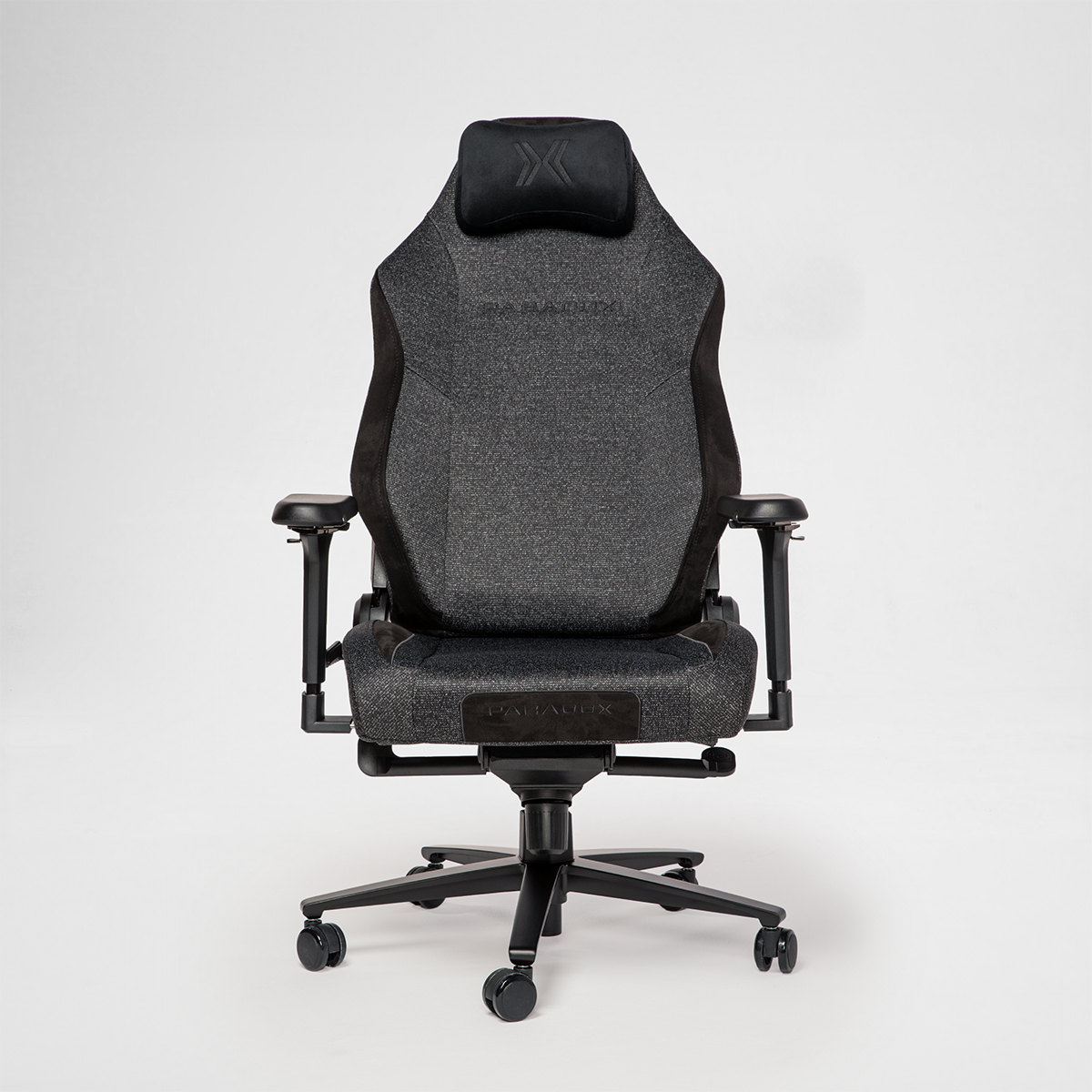
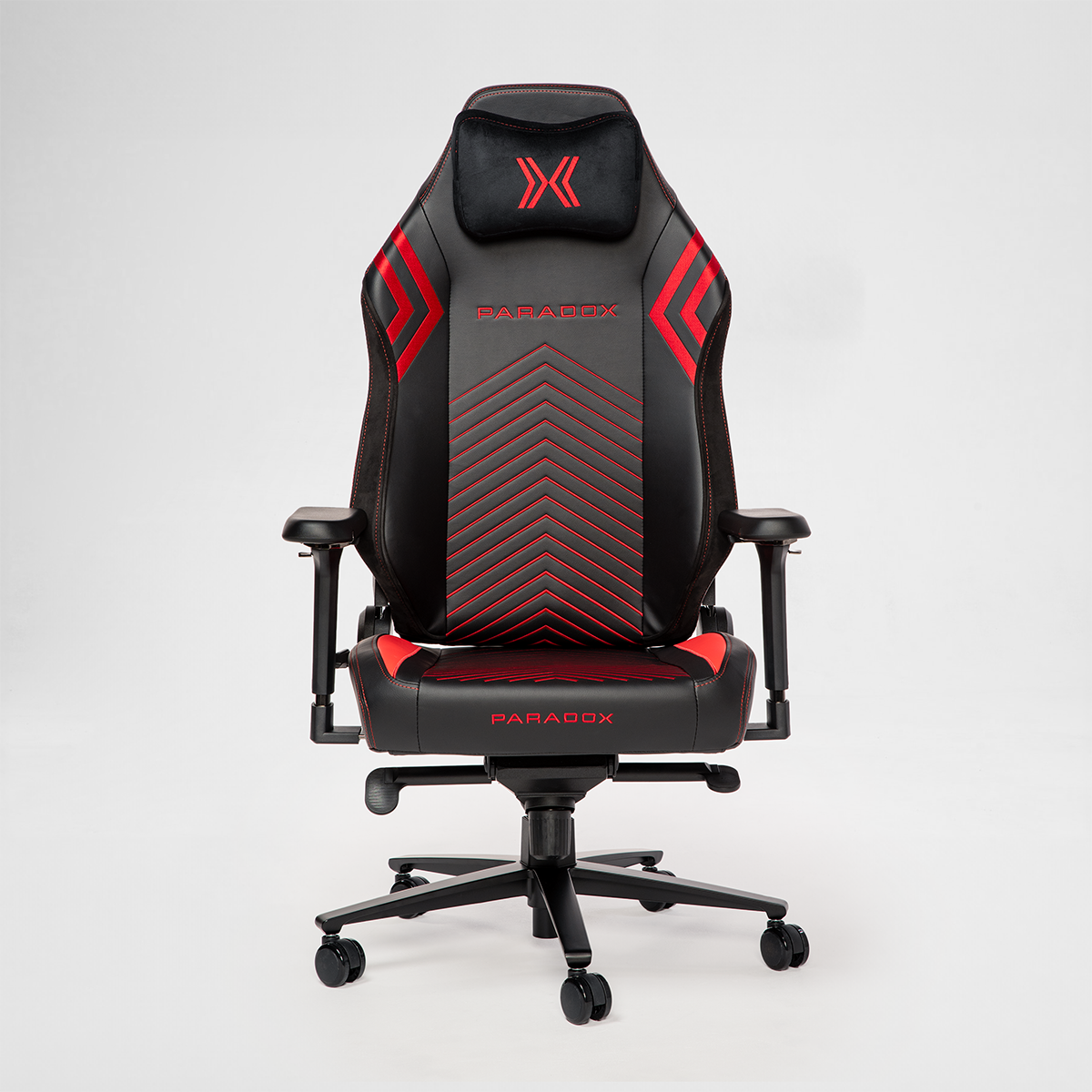
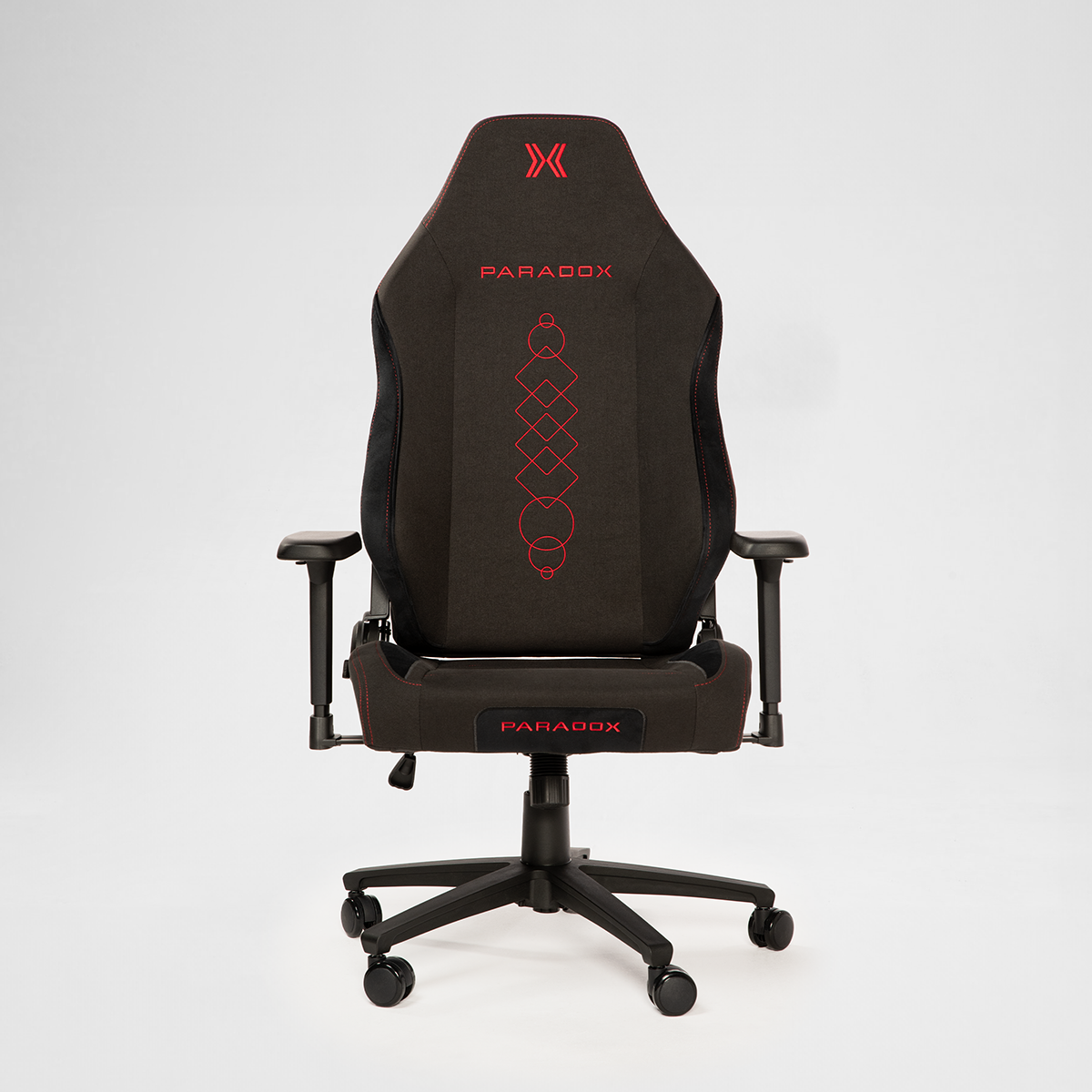
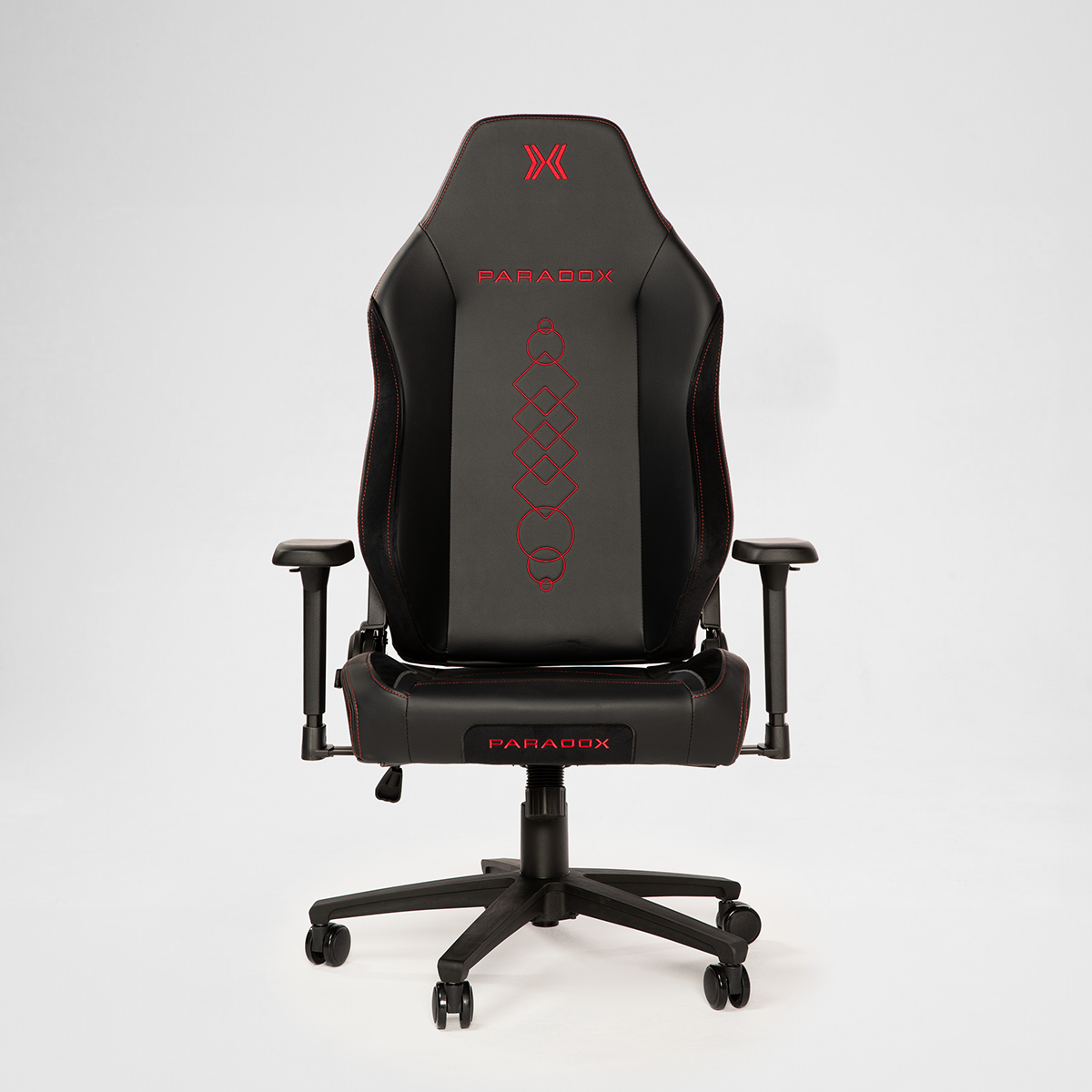
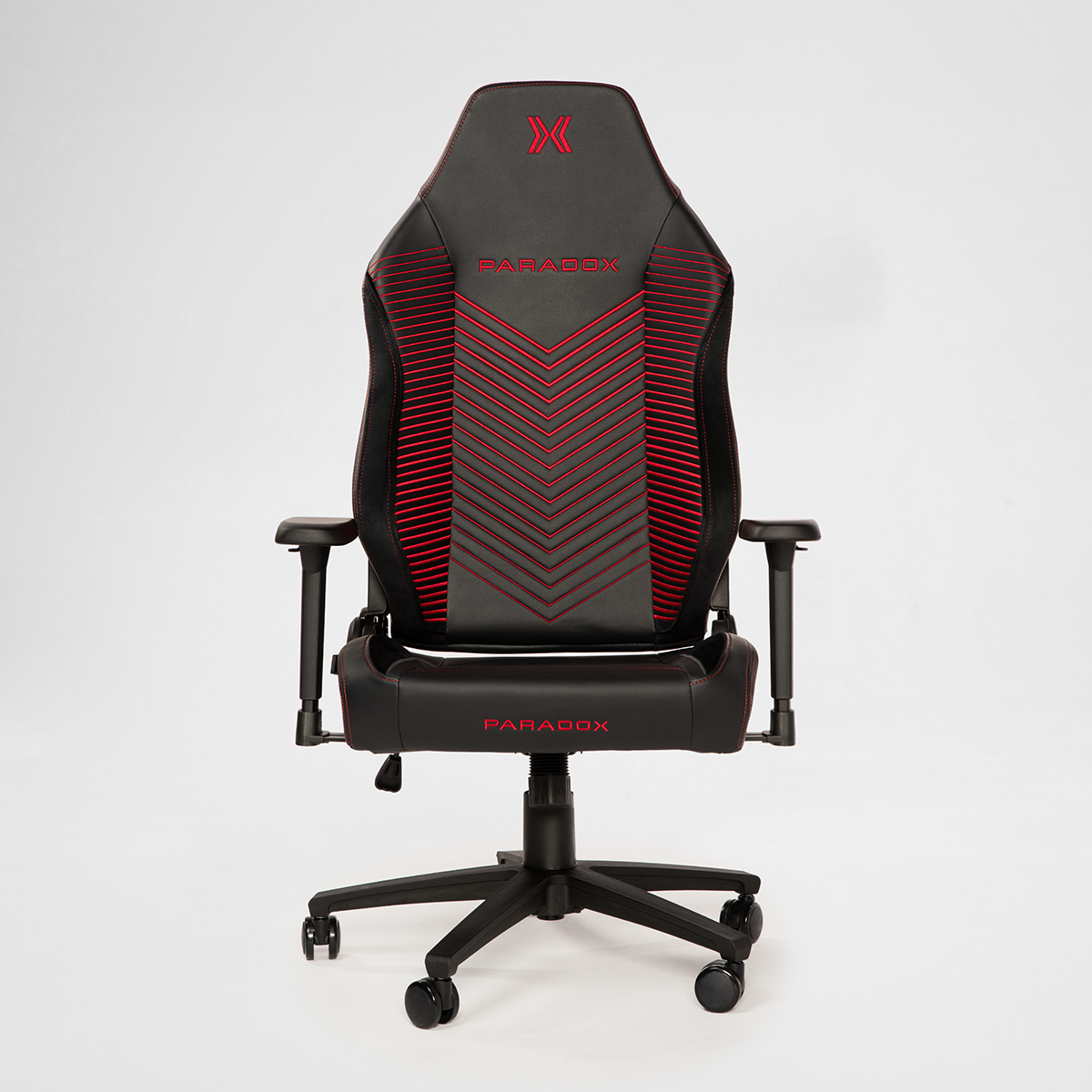
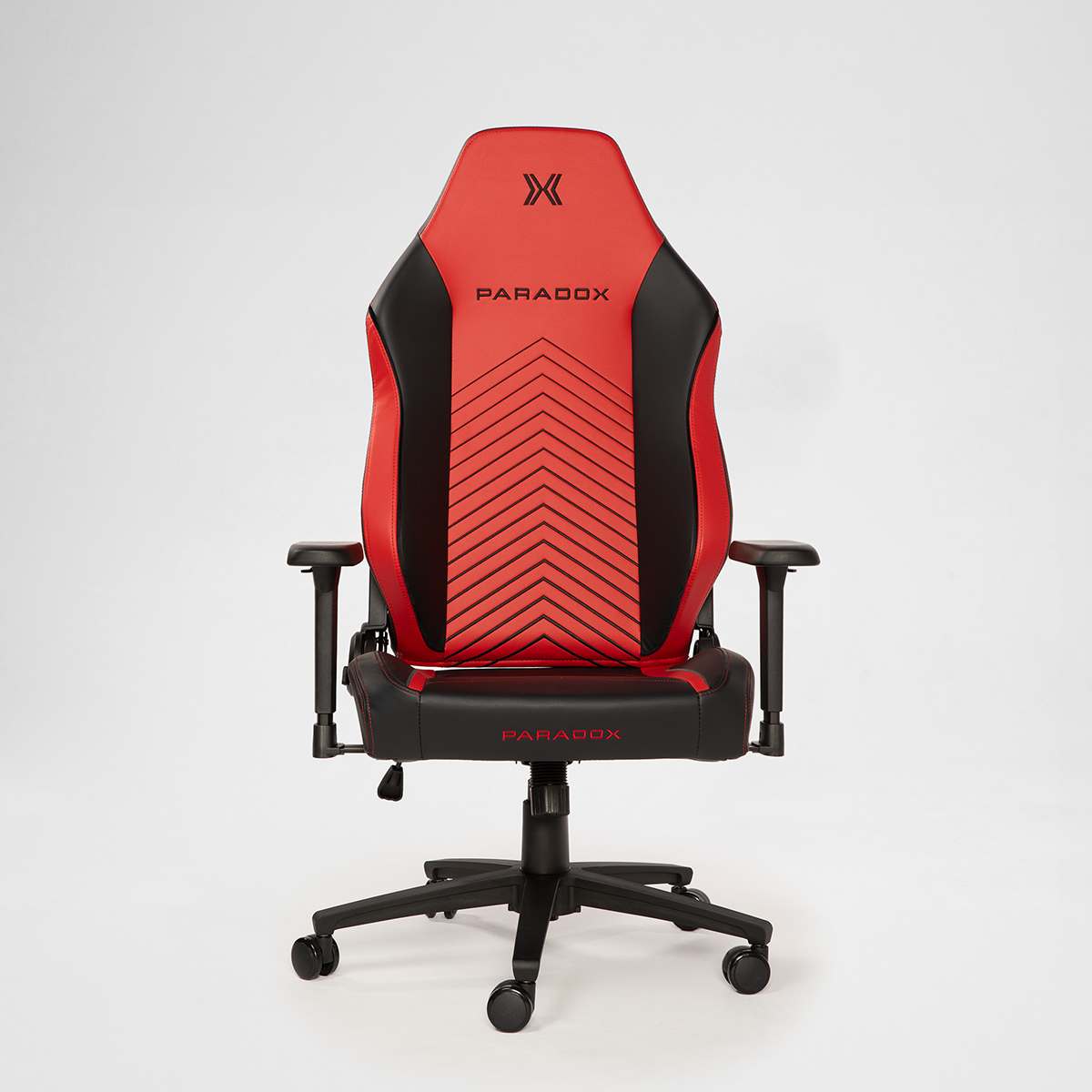
On the gaming side, the same value equation applies. Premium gaming chairs from Secretlab or noblechairs run €400-600+. Mid-range options like the Paradox Commander (€269-399) deliver 4D armrests, LumbarPro support, and solid eco-leather without the brand tax.
The Decision Framework: Which Chair Is Right for You?
Let’s make this simple. Answer these questions honestly:
Choose an Ergonomic Chair if:
- You sit 4+ hours daily for work
- You’ve experienced back, neck, or shoulder pain
- Breathability matters (warm climate, home without AC, you run hot)
- You share a home office and want something that looks professional on video calls
- Long-term spinal health is a priority
- You value adjustability over aesthetics
Choose a Gaming Chair if:
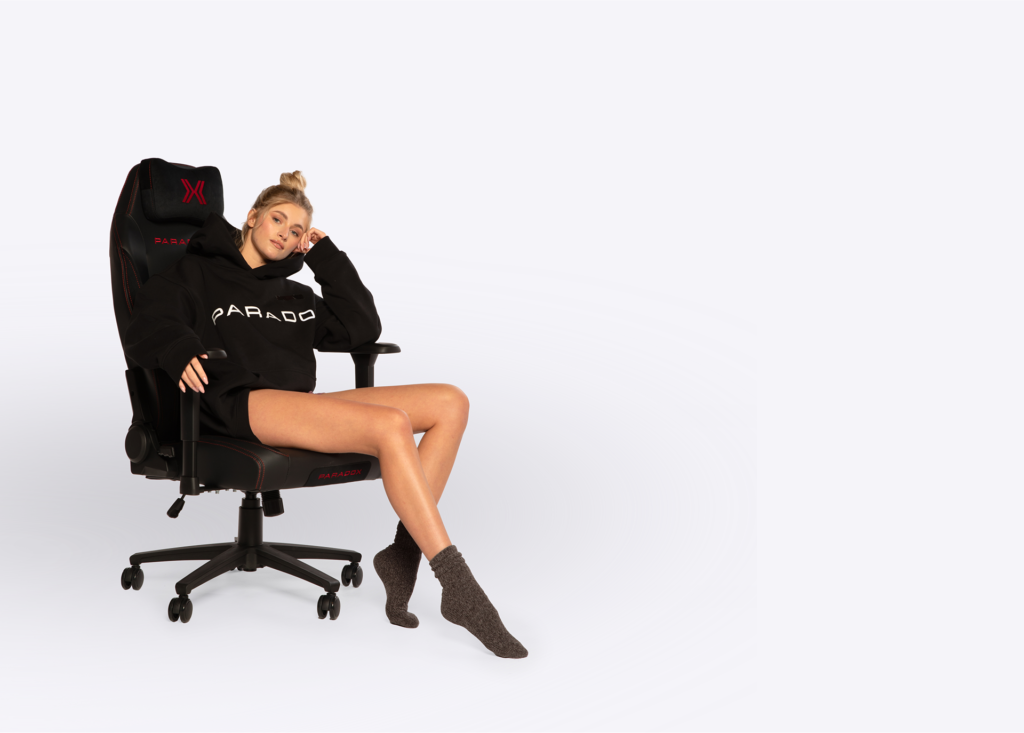
- Your primary use is gaming sessions of 1-3 hours
- You want deep recline capability (some gaming chairs go to 150°+ for relaxing)
- Aesthetics and setup vibe matter to you
- You’re in a cooler climate where breathability isn’t critical
- You want a single chair for both casual work and gaming
Consider a Hybrid Approach if:
- You work 8 hours AND game 3 hours daily (your back deserves the best of both worlds)
- You want gaming aesthetics with genuine ergonomic features — look for gaming chairs that include synchro-tilt mechanisms, adjustable lumbar, and quality foam rather than just flashy upholstery
The “Both” Option: Modern Gaming Chairs Are Catching Up
Here’s a trend worth noting: the line between gaming and ergonomic is blurring. The best modern gaming chairs have stolen freely from ergonomic design — adding adjustable lumbar support, better tilt mechanisms, and memory foam that actually retains its shape.
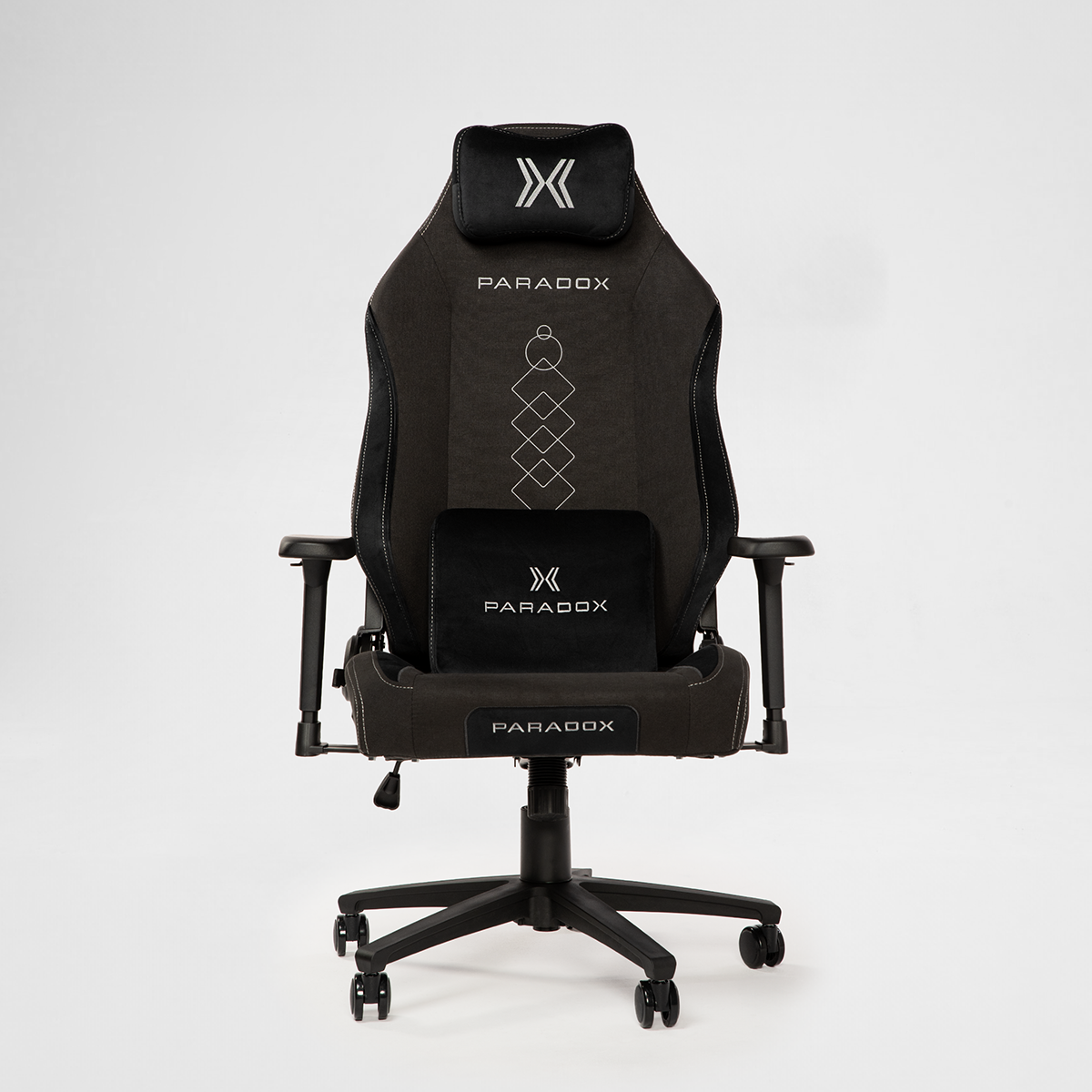
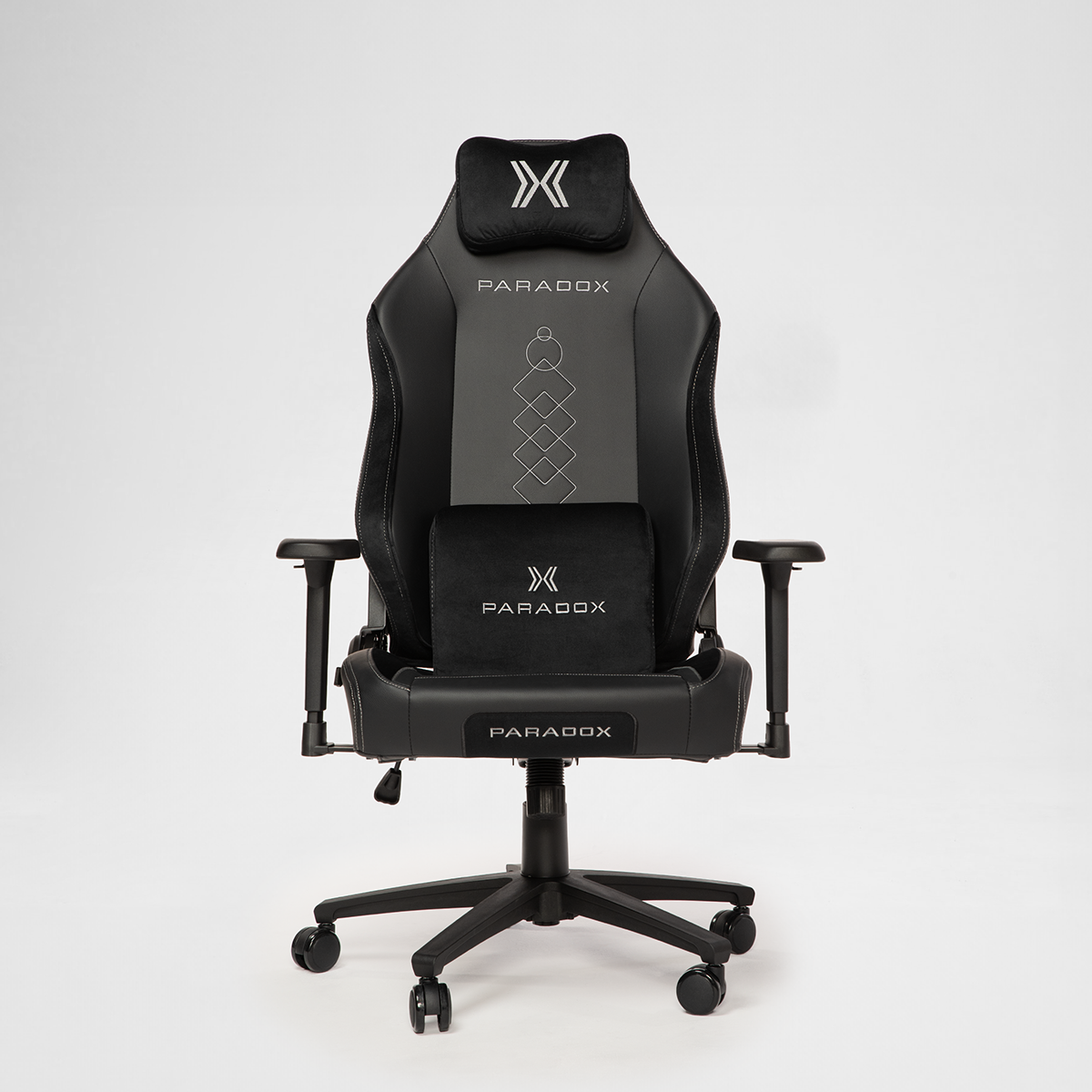
The Paradox Ultimate (€399-599) is a good example of this convergence: premium gaming aesthetics combined with memory foam cushioning and 2D lumbar support that actually does something. It’s not trying to be an ergonomic office chair — but it’s borrowed the best ideas from that world.
Meanwhile, some ergonomic chairs are getting more interesting to look at. Gone are the days when “ergonomic” automatically meant “ugly grey corporate furniture.”
What About Certifications?
This is an area where ergonomic chairs have a clear advantage. Most gaming chairs aren’t tested to workplace standards like EN 1335 (Europe) or BIFMA (US). These certifications test for safety, durability, and dimensional requirements — basically proving the chair won’t collapse, wear out prematurely, or cause harm.
If you’re buying a chair for a home office where you’ll actually work, certified is the way to go. Not just for peace of mind, but because certified chairs must meet minimum adjustability requirements that directly affect your comfort and health.
All Paradox24 ergonomic models meet EN 1335 and BIFMA standards, plus Polish BHP workplace norms. That’s not marketing fluff — it means independent testing has verified the safety and ergonomic credentials.
The Bottom Line
If you’re spending serious hours in a chair — and research confirms most office workers do — an ergonomic chair is almost always the smarter investment for your primary work seat. The science, the engineering, and the long-term health outcomes all point in the same direction.
But if you game regularly and want a chair that feels like your cockpit, there’s nothing wrong with a quality gaming chair — especially one that’s borrowed the best ideas from the ergonomic world.
The worst choice? Staying on that dining chair. Your back will thank you for upgrading to either option.
Not sure where to start? Check out the Ergo One for certified ergonomic comfort on a budget, or the Commander if you want gaming style with genuine back support. Both ship free across the EU with a 100-day return policy — because the best way to choose a chair is to actually sit in one.