English

You’re reading the spec sheet of an office chair and you see: “EN 1335 certified,” “BIFMA compliant,” “meets ergonomic standards.” Your eyes glaze over. Another checkbox. Another abbreviation. Does any of this actually mean something?
Yes. And if you’re buying chairs for an office, a co-working space, or even your own home — understanding these certifications can save you from expensive mistakes, potential liability, and the slow-burn frustration of furniture that looks fine but fails where it counts.
This article is for procurement managers, architects, facility planners, and anyone who’s ever wondered whether certifications are genuine quality markers or just another layer of marketing. Spoiler: they’re the former. Here’s why.
Why Certifications Exist: A Brief History of Chairs Breaking
Office furniture standards weren’t born from bureaucratic imagination. They were born from chairs failing — sometimes spectacularly. Gas lifts exploding. Casters snapping. Mechanisms breaking under normal use. Backrests detaching. These aren’t hypothetical scenarios; they’re documented incidents that drove regulators to establish minimum safety and performance requirements.
The core idea is simple: before a chair reaches the market, an independent lab subjects it to standardized tests that simulate years of real-world use — in hours. If it passes, it’s certified. If it fails, back to the drawing board.
The two major standards you’ll encounter in the global market are EN 1335 (European) and ANSI/BIFMA (American). They’re not identical, but they share the same goal: ensuring that the chair you sit on every day won’t hurt you, break on you, or wear out prematurely.
EN 1335: The European Standard
EN 1335 is the European standard for office work chairs. It’s divided into three parts, each covering a different aspect of chair quality:
Part 1 — Dimensions (EN 1335-1)
This part specifies the dimensional requirements for office chairs and defines four types:
- Type Ax: The highest classification. Extended dimensional range for maximum adjustability. Think executive/task chairs with every adjustment available.
- Type A: Standard high-adjustability. Covers the needs of most office workers.
- Type B: Moderate adjustability. Suitable for shared or temporary workstations.
- Type C: Basic requirements. Minimum acceptable for office use.
As Furnitest explains, the standard specifies dimensions for each type and the test methods for determining them. This isn’t just about saying “the seat adjusts” — it defines exactly how much it must adjust, across what range, to qualify for each category.
Why this matters for procurement: specifying “Type A” or “Type Ax” in your tender ensures you get chairs with genuine adjustability, not marketing claims about “7-way adjustment” that turns out to be minor cosmetic changes.
Part 2 — Safety Requirements (EN 1335-2)
This is where the real testing happens. Part 2 specifies safety, strength, and durability requirements. The tests include:
- Static load testing: Seats, backrests, and armrests are loaded with weights that simulate heavy users under normal and extreme conditions.
- Dynamic/fatigue testing: The chair is subjected to tens of thousands of repeated loading cycles — simulating years of sitting down, standing up, leaning back, and shifting position.
- Stability testing: The chair is tilted and loaded to ensure it won’t tip over during normal use, including leaning back while reclined.
- Armrest testing: Armrests are loaded laterally, vertically, and dynamically to ensure they won’t snap, detach, or deform.
- Caster and base testing: Rolling resistance, swivel function, and structural integrity under load.
- Gas lift safety: The pneumatic height adjustment mechanism is tested for leak-free operation and safe failure modes.
Updated in 2022, these requirements go into greater detail on measurement methodology and dimensional requirements. The bar was raised, not lowered.
Part 3 — Test Methods (EN 1335-3)
Part 3 defines exactly how the tests from Part 2 are conducted. This ensures consistency — a chair tested in Warsaw must face the same conditions as one tested in Munich or Milan. Standardized test methods mean certifications are comparable across borders.
What EN 1335 Means for Buyers
When a chair is “EN 1335 certified,” it means:
- An independent, accredited laboratory — not the manufacturer — has tested it.
- It meets minimum dimensional requirements for adjustability (the type classification tells you how much).
- It has passed safety and durability testing that simulates years of real-world use.
- It’s legally compliant for workplace use in the EU (critical for employers — workplace health regulations require appropriate seating).
ANSI/BIFMA: The American Standard
The Business and Institutional Furniture Manufacturers Association (BIFMA) sponsors the development of safety, performance, and sustainability standards for furniture in North America — adopted by the American National Standards Institute (ANSI).
The key standard for office chairs is ANSI/BIFMA X5.1, which covers general-purpose office chairs. Like EN 1335, it tests for:
- Structural integrity: Static and dynamic load tests on all components.
- Durability: Cyclic testing (drop tests, backrest fatigue, arm fatigue) simulating extended use.
- Stability: Tipping resistance under various loading conditions.
- Component safety: Gas lift, casters, mechanisms.
As BTOD explains, these tests “measure safety, performance, and sustainability. Each piece of furniture, manufacturing facility, and company must meet a strict set of standards.”
An Important Nuance
It’s worth noting that, as Weber Knapp clarifies, BIFMA doesn’t technically “certify” products — products comply with (or are “tested to”) BIFMA standards. The testing is performed by independent labs, and the results demonstrate compliance. The distinction is technical but important: “BIFMA-compliant” or “tested to BIFMA standards” is the accurate language.
BIFMA vs. EN 1335: Key Differences
| Aspect | EN 1335 | ANSI/BIFMA X5.1 |
|---|---|---|
| Geographic focus | Europe (EU/EEA) | North America (US/Canada) |
| Dimensional requirements | Yes (4 types: Ax, A, B, C) | Limited dimensional focus |
| Safety/durability testing | Yes (comprehensive) | Yes (comprehensive) |
| Sustainability | Covered by separate EU standards | BIFMA LEVEL® certification |
| Legal requirement | Reference standard for EU workplace safety directives | Voluntary (but often required in procurement) |
For European buyers, EN 1335 is the primary standard to look for. BIFMA compliance is a bonus that demonstrates the chair also meets American performance requirements — useful if you’re furnishing offices in both regions or want additional assurance.
Polish BHP Norms: The Local Layer
If you’re furnishing offices in Poland, there’s an additional layer: BHP (Bezpieczeństwo i Higiena Pracy) — workplace health and safety norms. Polish labor law requires employers to provide workstations that meet specific ergonomic criteria, and office chairs are a key component.
In practice, chairs that meet EN 1335 Type A or above satisfy Polish BHP requirements. But it’s worth verifying this explicitly when purchasing — especially for corporate procurement where compliance audits are a reality.
What Uncertified Chairs Are Missing
Here’s the uncomfortable truth: the vast majority of chairs sold online — especially gaming chairs and budget “ergonomic” chairs — have never been independently tested. Their specs are self-reported by the manufacturer. Their durability claims are based on… the manufacturer’s word.
What can go wrong?
- Gas lift failure: Cheap gas lifts can slowly sink throughout the day. In extreme cases, they’ve been known to fail catastrophically. Certified gas lifts are tested for tens of thousands of cycles and safe failure modes.
- Mechanism wear: A tilt mechanism that feels smooth in month one may develop play, creaking, or uneven resistance by month six. Fatigue testing catches this — self-reported specs don’t.
- Material degradation: Foam that compresses permanently. Mesh that stretches and sags. Eco-leather that peels. Independent testing accelerates wear to predict real-world lifespan.
- Stability issues: A chair that feels stable for a 70kg person may become unstable for a 100kg person leaning back. Stability testing covers the full weight range at extreme positions.
An uncertified chair isn’t necessarily bad. But you’re trusting the manufacturer’s quality control with no independent verification. For a personal purchase, that might be an acceptable gamble. For furnishing an office with liability implications, it’s not.
How to Verify Certifications (Don’t Just Trust the Website)
Unfortunately, “EN 1335 certified” has become a marketing claim that not all manufacturers back with evidence. Here’s how to verify:

- Ask for the test report. A legitimate certification comes with a test report from an accredited laboratory. Manufacturers should be able to provide this on request.
- Check the testing laboratory. The report should come from a recognized, accredited lab. In Europe, look for labs accredited under ISO 17025. Names like TÜV, SGS, Furnitest, and FIRA are well-known in furniture testing.
- Look for the type classification. “EN 1335 certified” without specifying the type (Ax, A, B, or C) is incomplete. Type C is the minimum — if a manufacturer doesn’t specify, they may be at the lowest classification.
- Check the year. EN 1335 was updated in 2022. Certifications to the older standard are less rigorous. Look for compliance with EN 1335-1:2020+A1:2022 (dimensions) and EN 1335-2:2018 (safety).
Certifications in Practice: A Procurement Checklist
If you’re specifying chairs for an office, here’s a practical checklist:
- ☐ EN 1335 Type A minimum (Type Ax for task chairs used 8+ hours)
- ☐ Test report available from accredited laboratory
- ☐ BIFMA X5.1 compliance (if US operations or dual compliance needed)
- ☐ Manufacturer warranty of 3+ years (5+ for premium procurement)
- ☐ Local BHP compliance verified (for Polish offices)
- ☐ Gas lift certification (Class 4 minimum, individually tested)
- ☐ Fire resistance compliance if required by building regulations (separate from EN 1335)
Why European Brands Are Worth Considering
The office chair market has historically been dominated by American brands (Herman Miller, Steelcase, Haworth) at the premium end and anonymous Asian imports at the budget end. European brands occupy an interesting middle ground — subject to EU regulations, familiar with EN 1335 requirements, and often offering strong value.
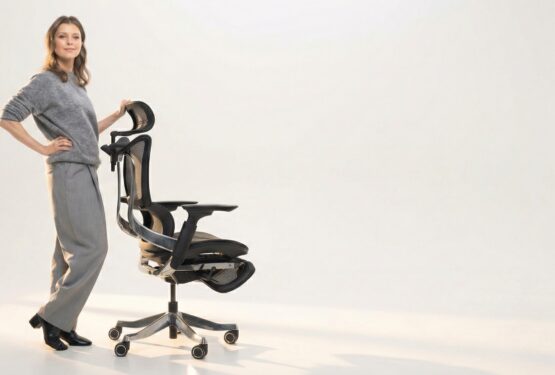
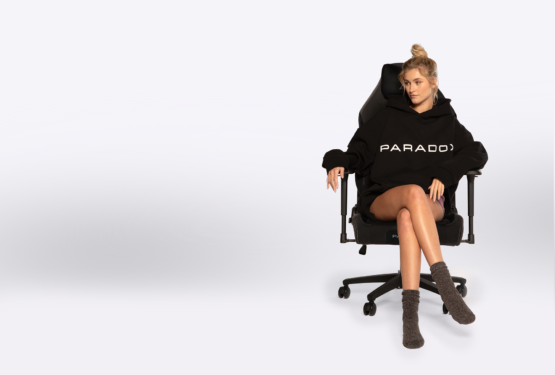
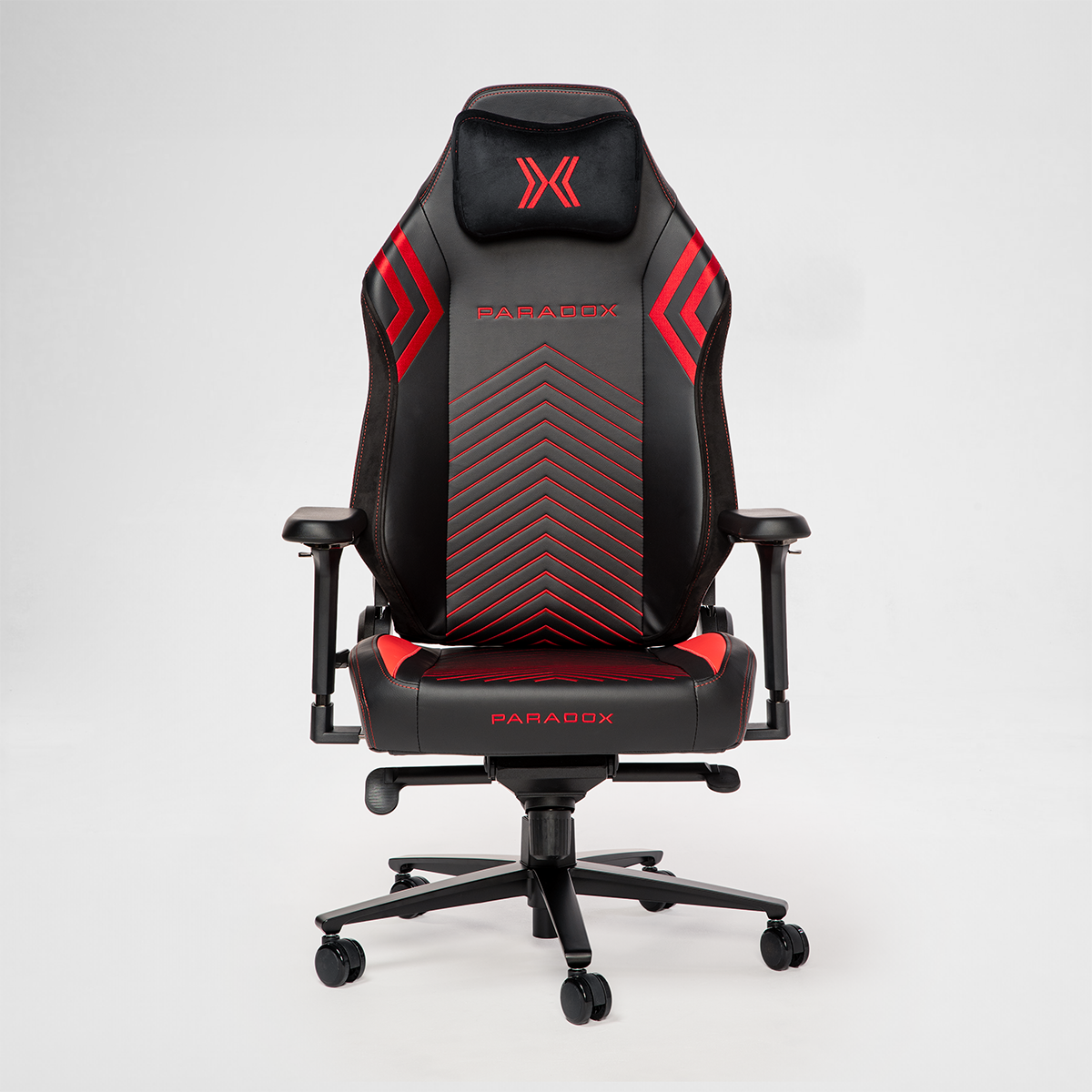
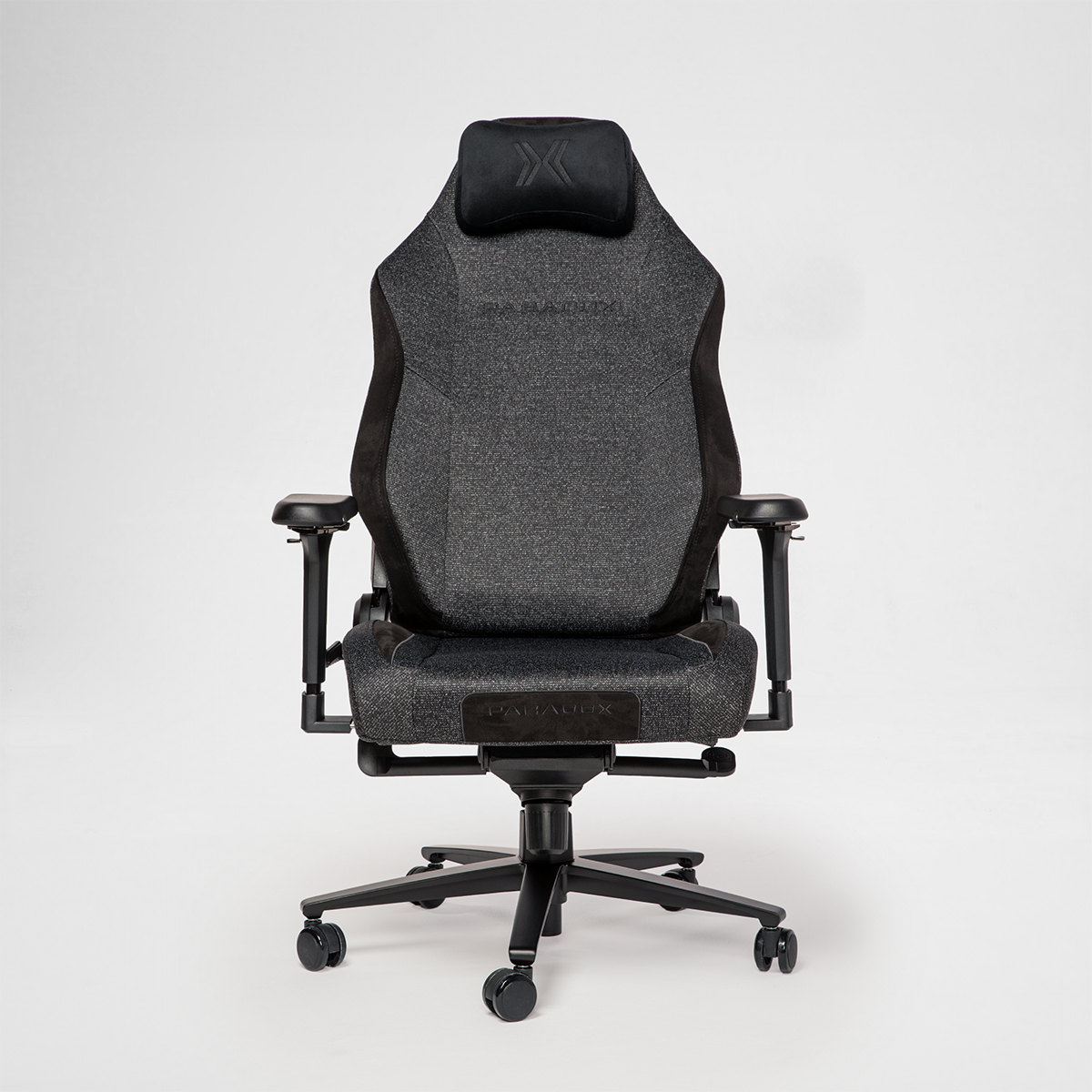
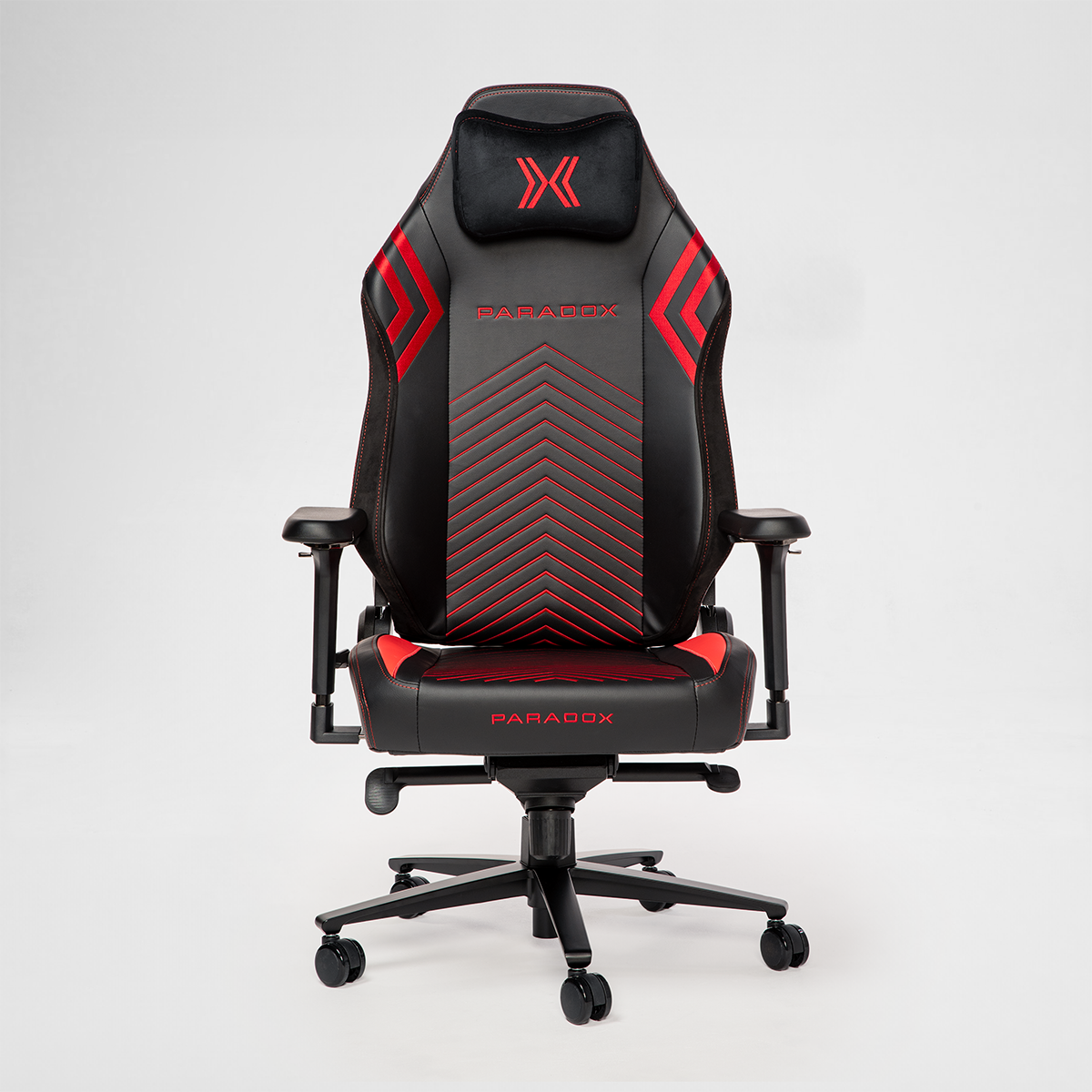
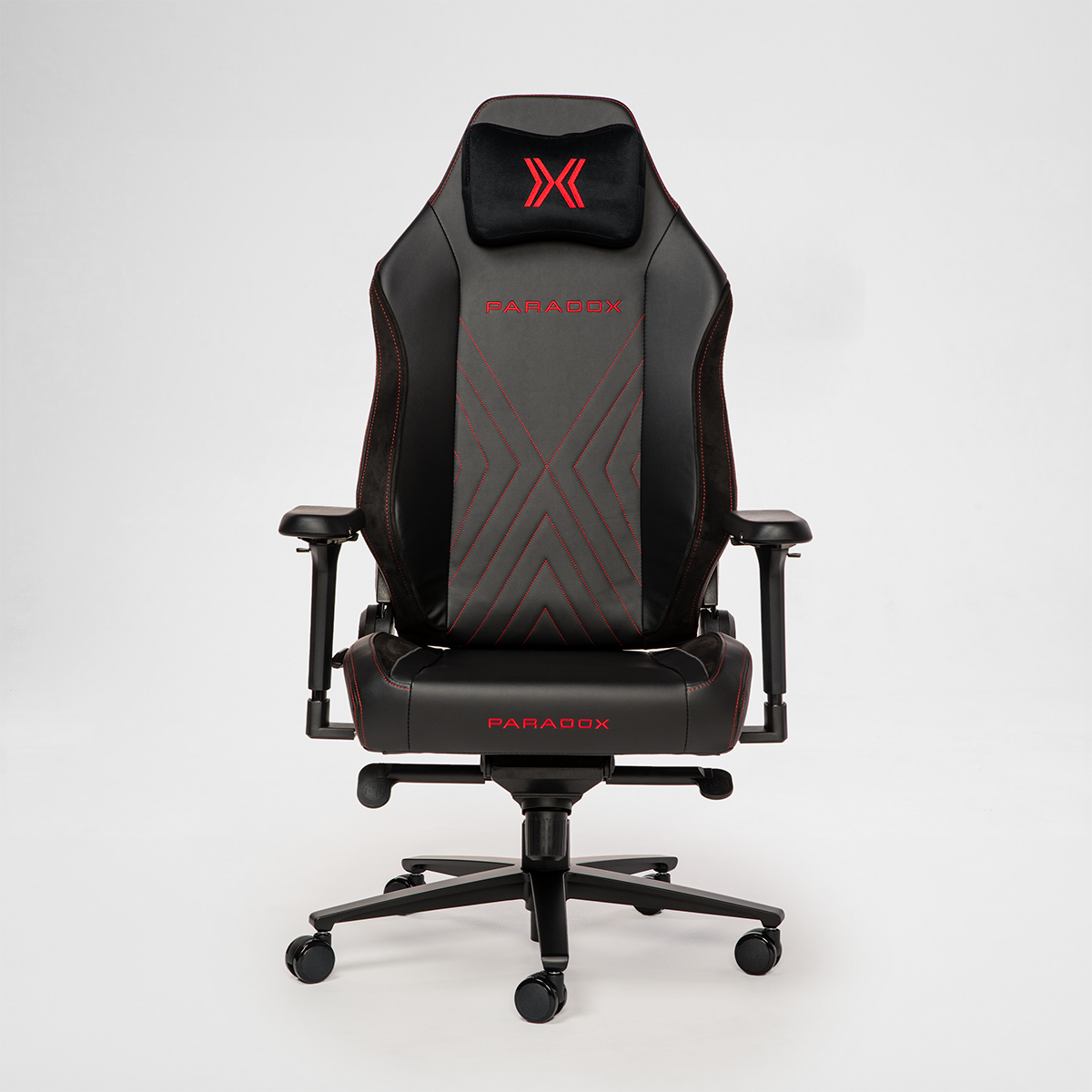
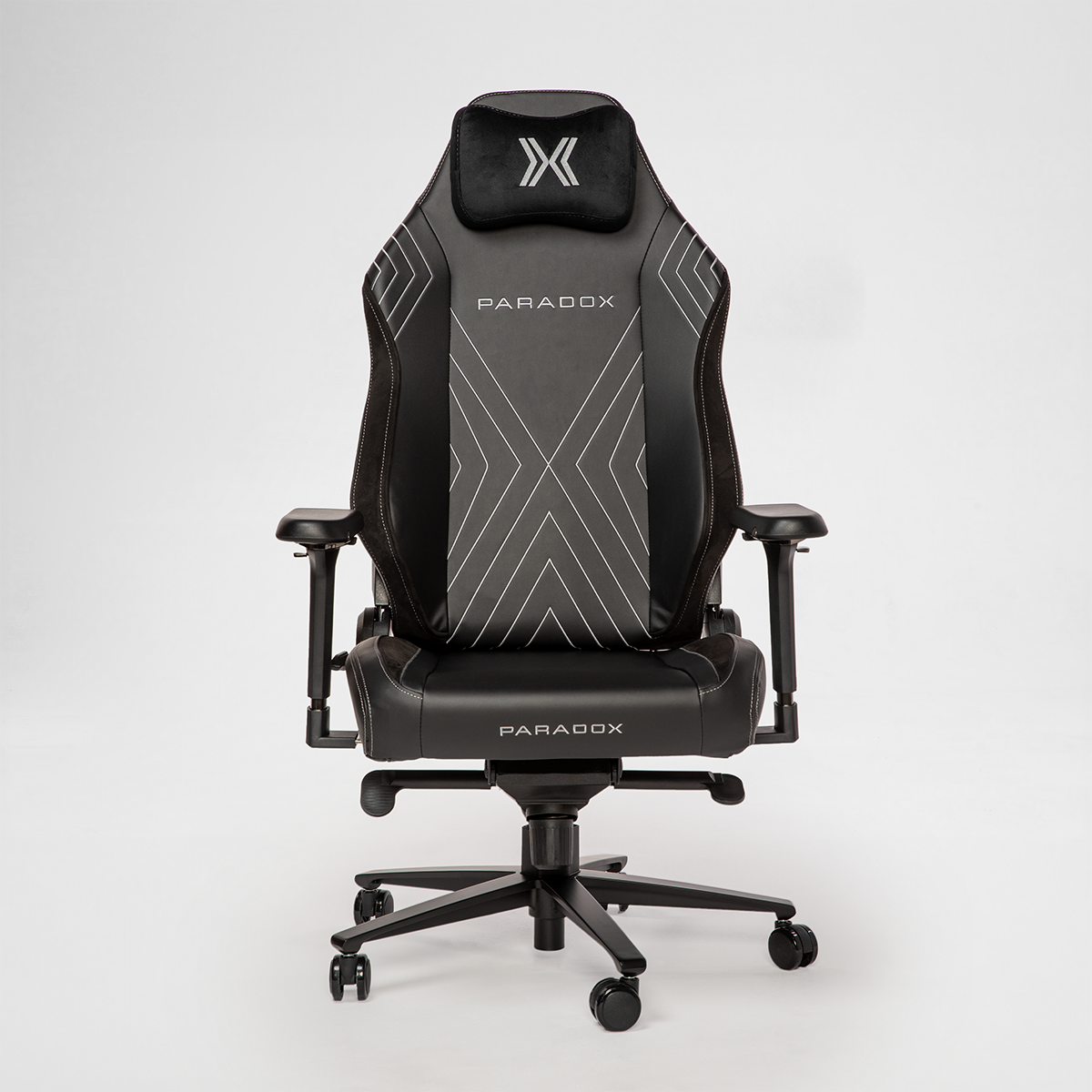
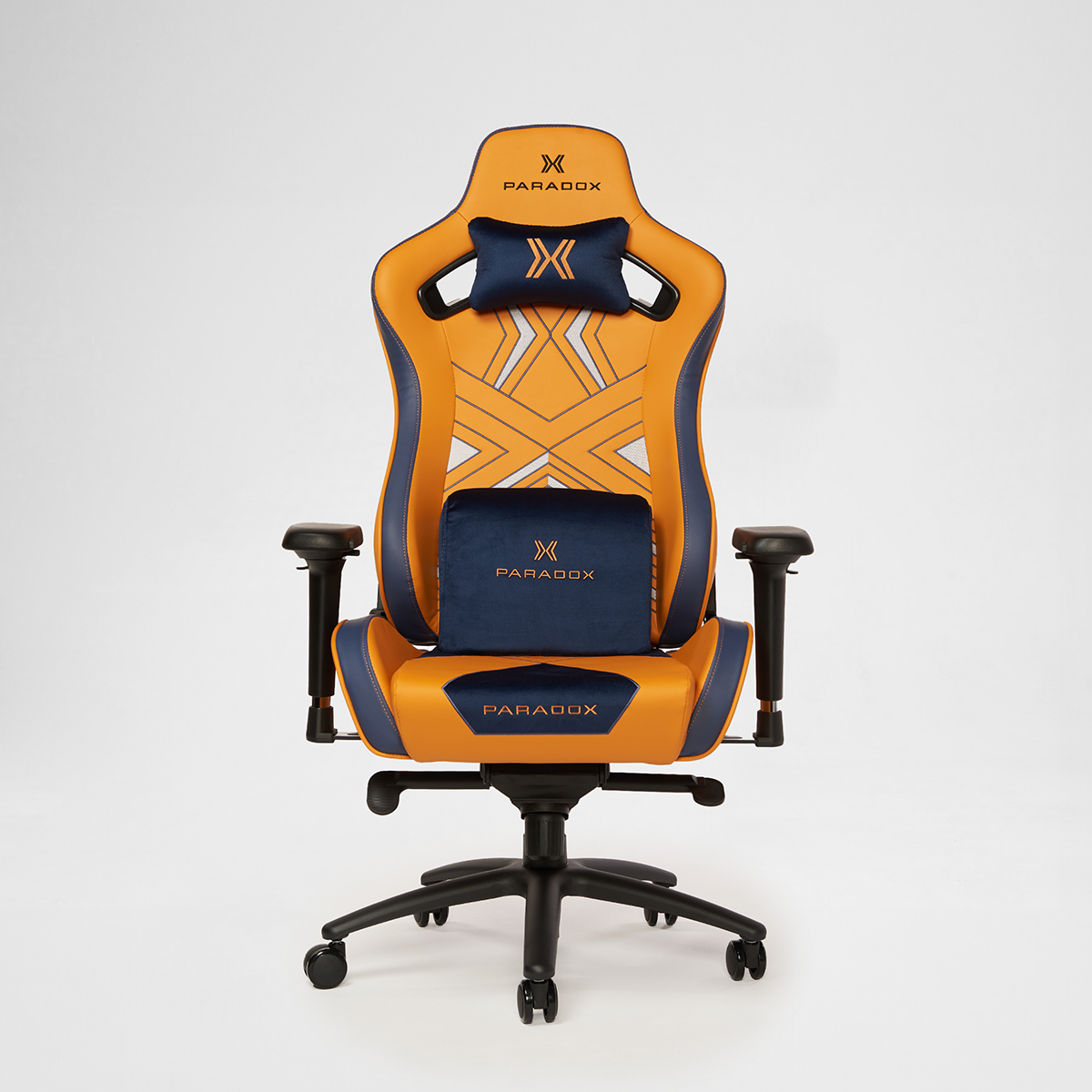
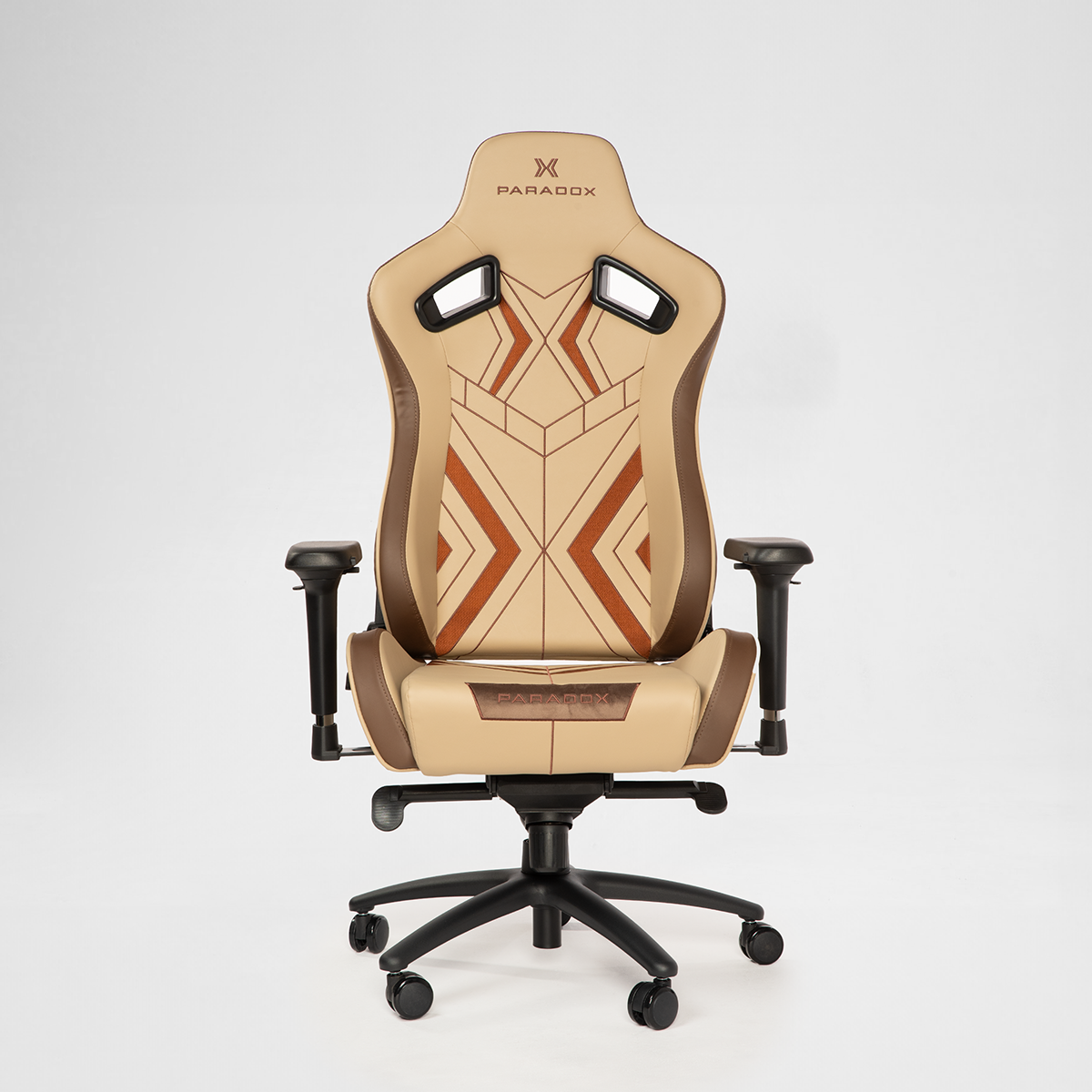
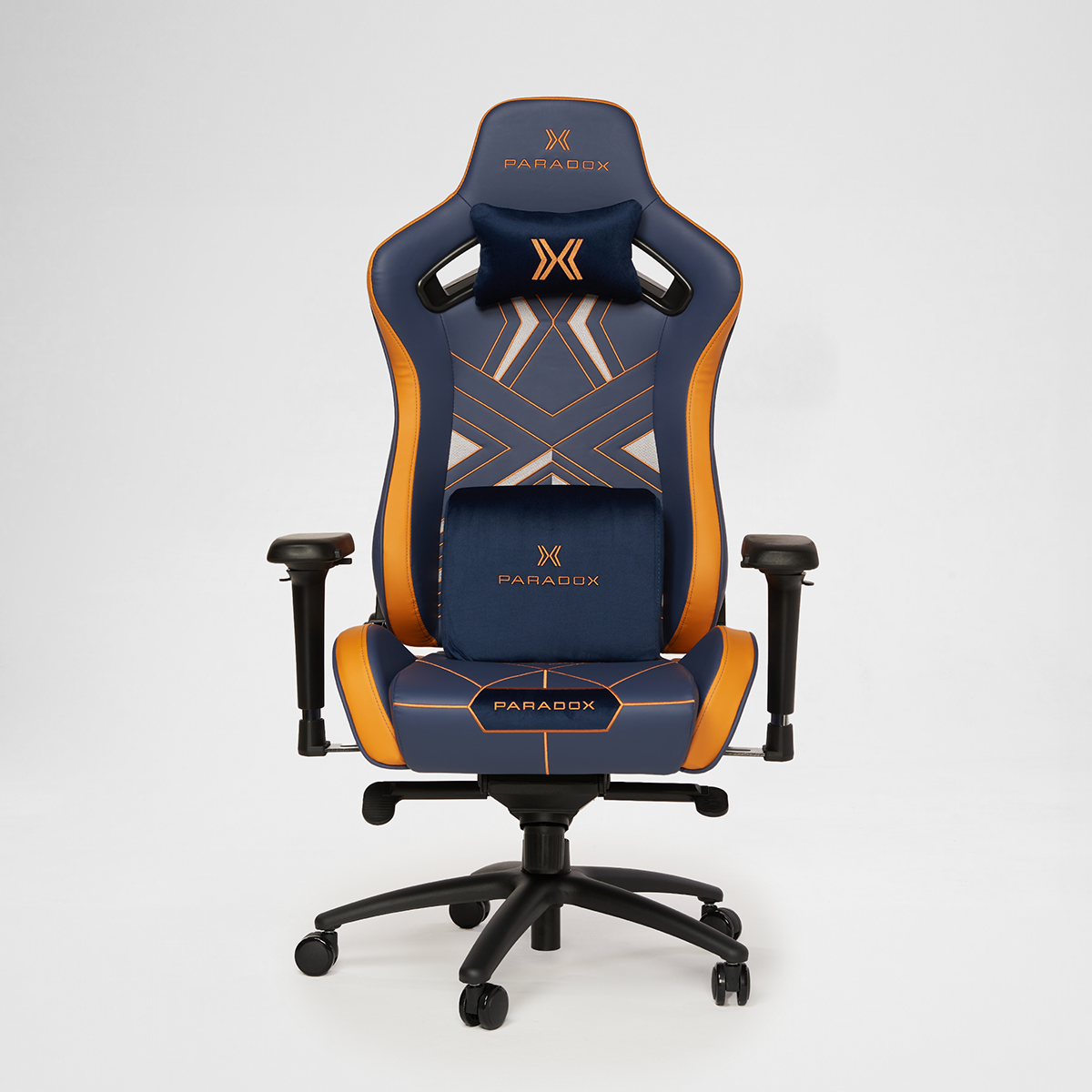
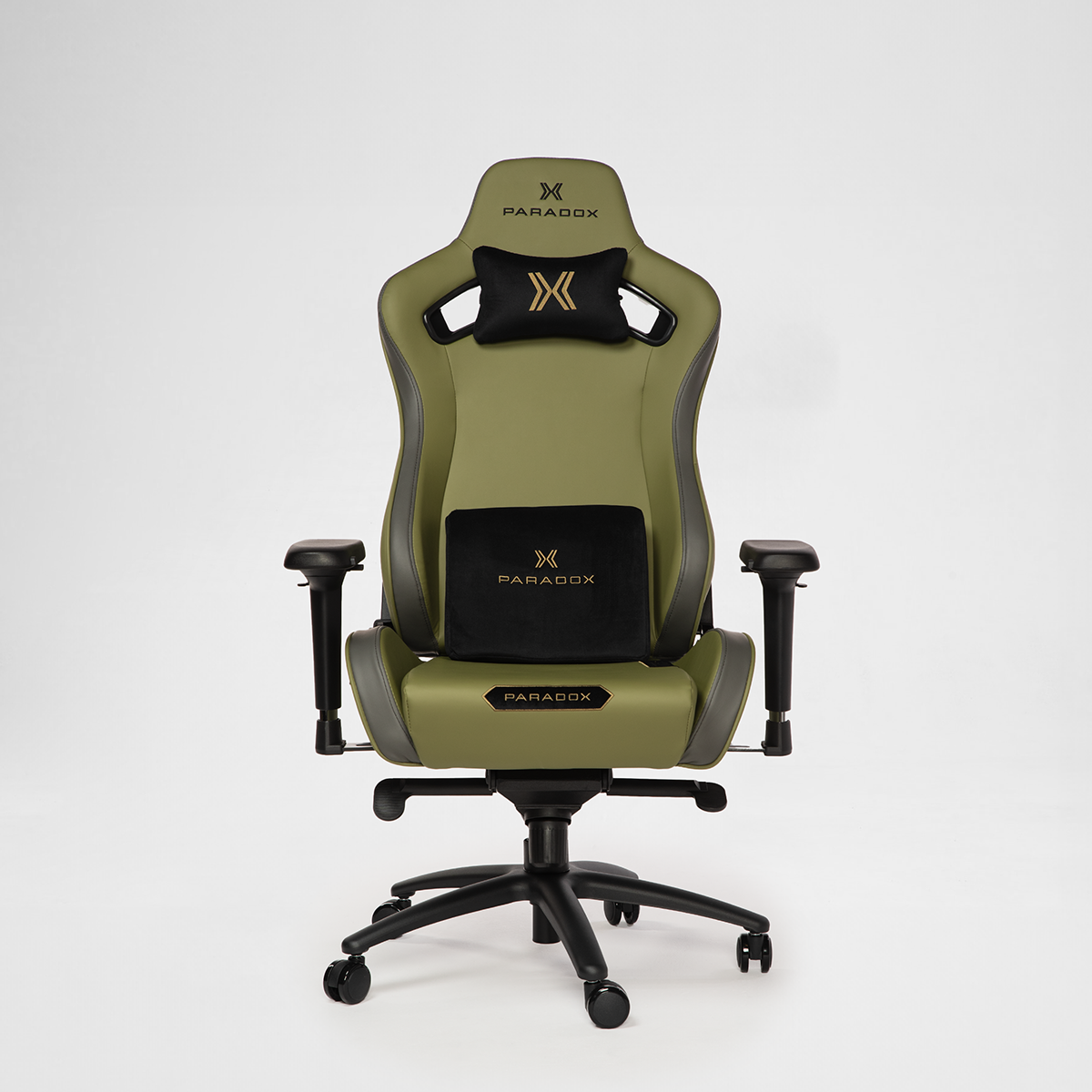
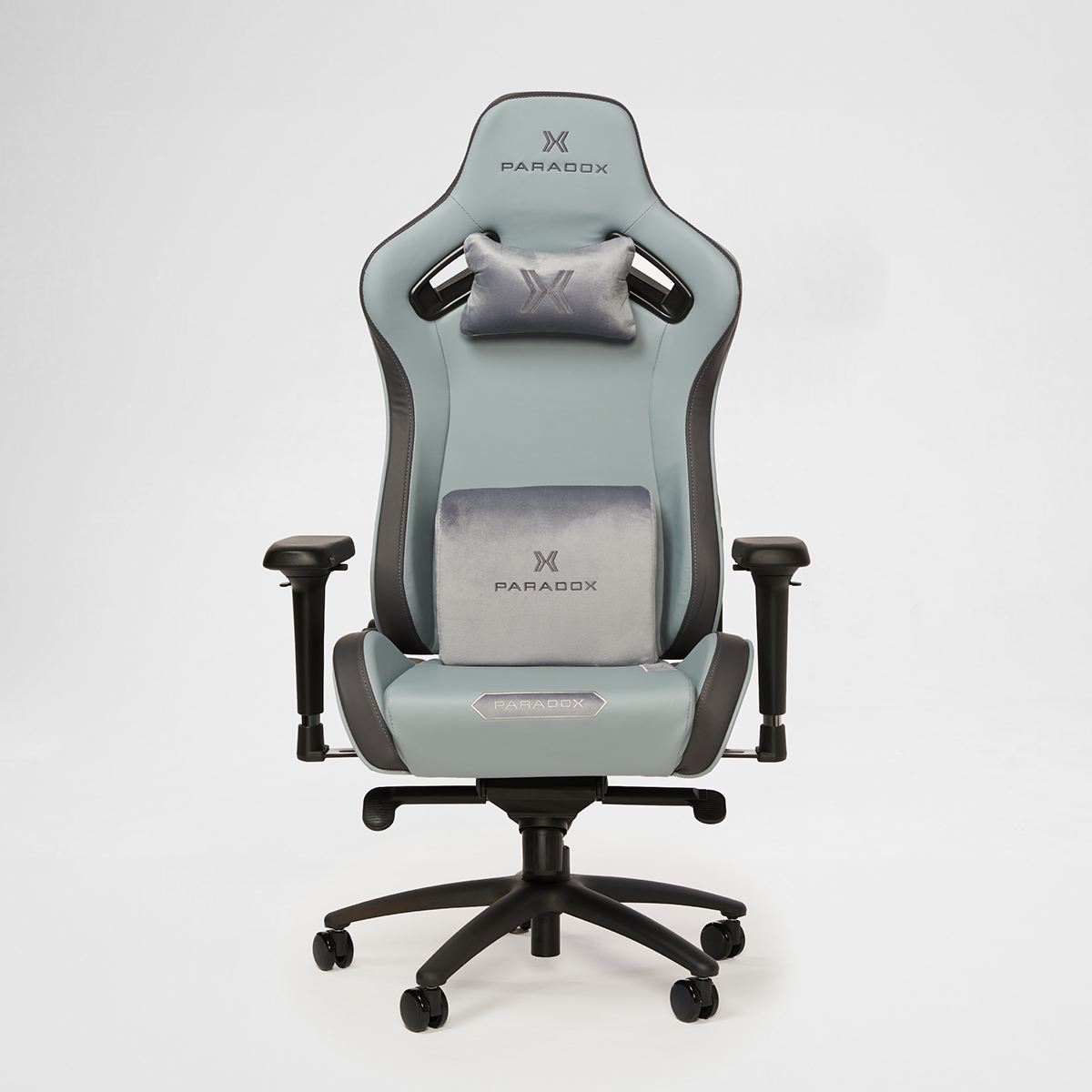
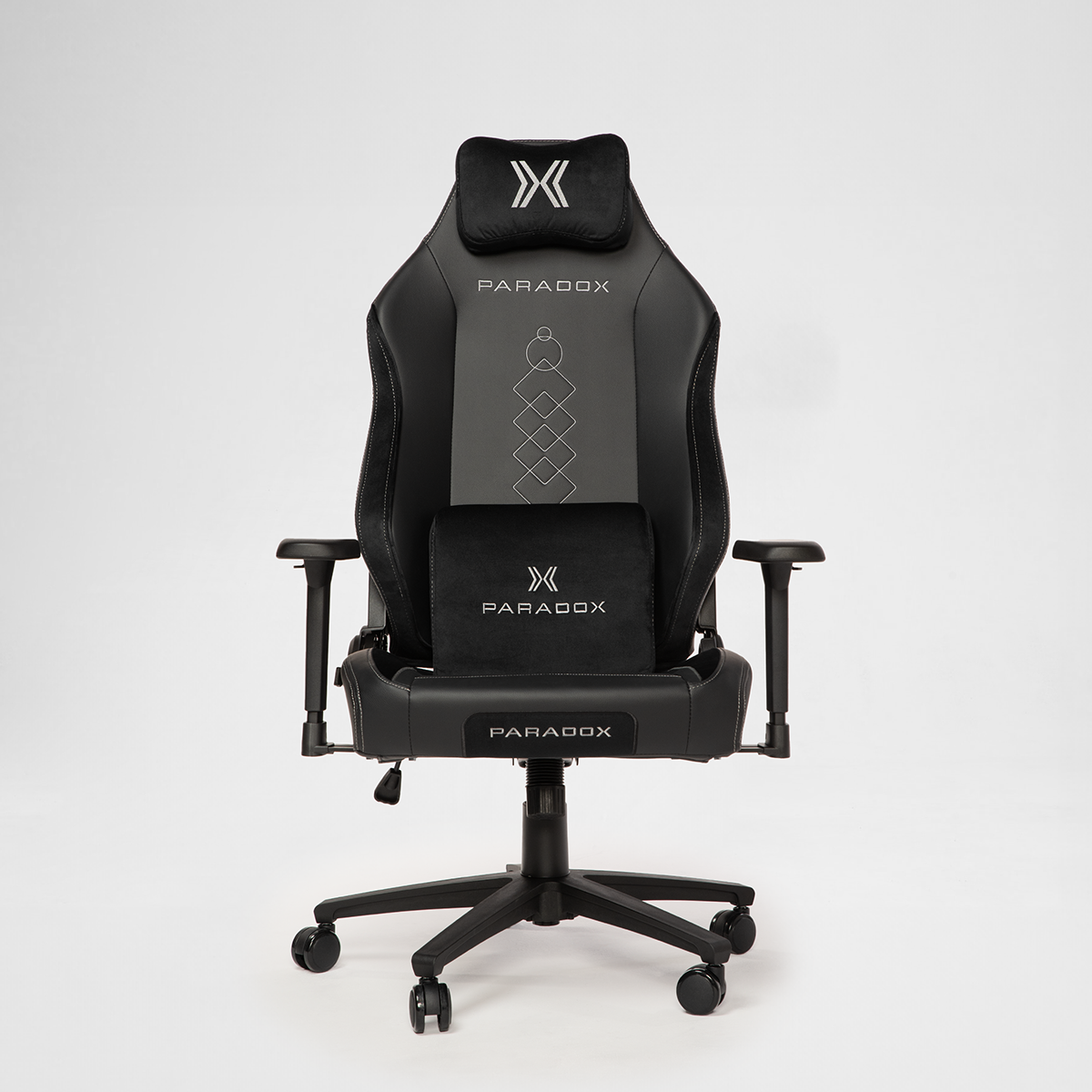
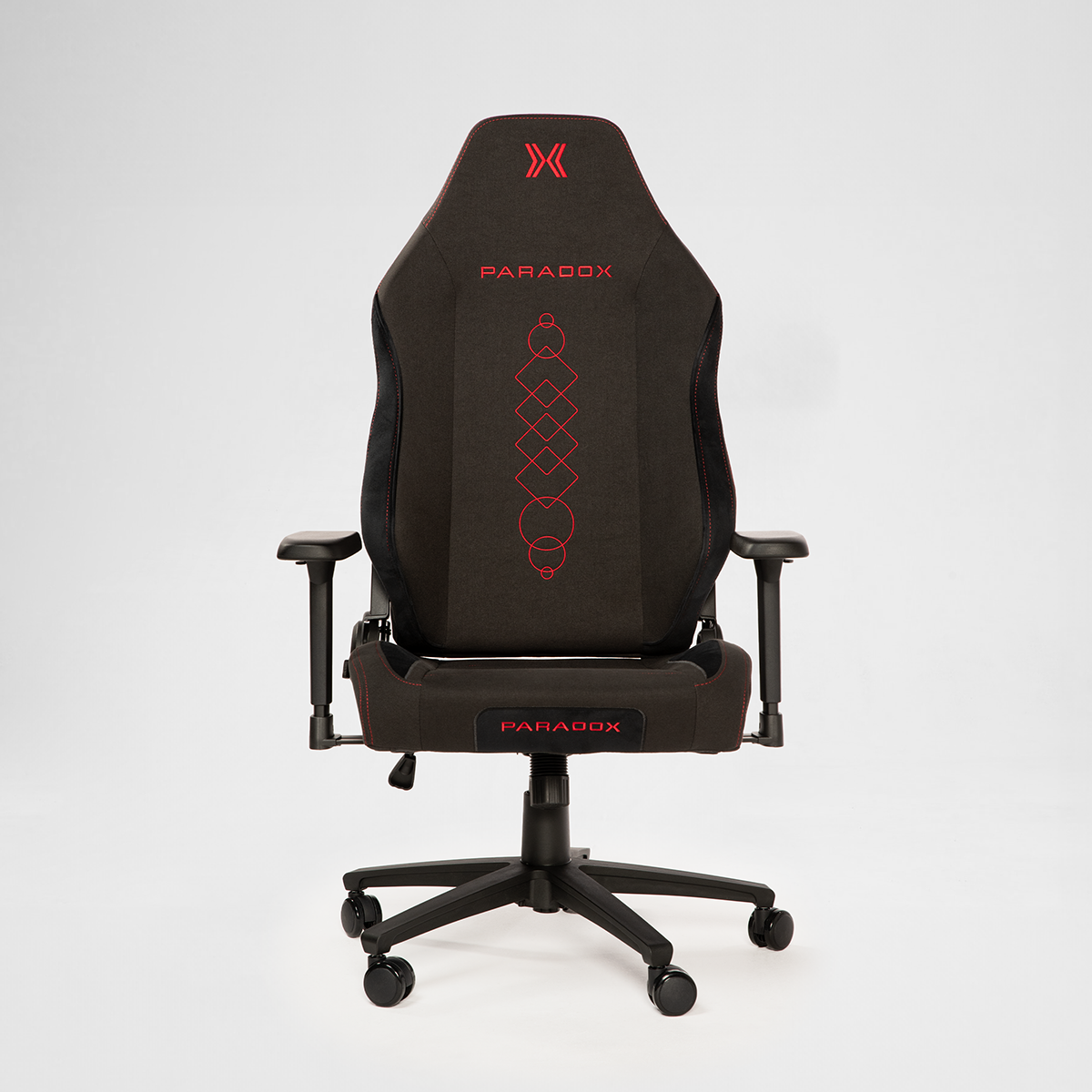
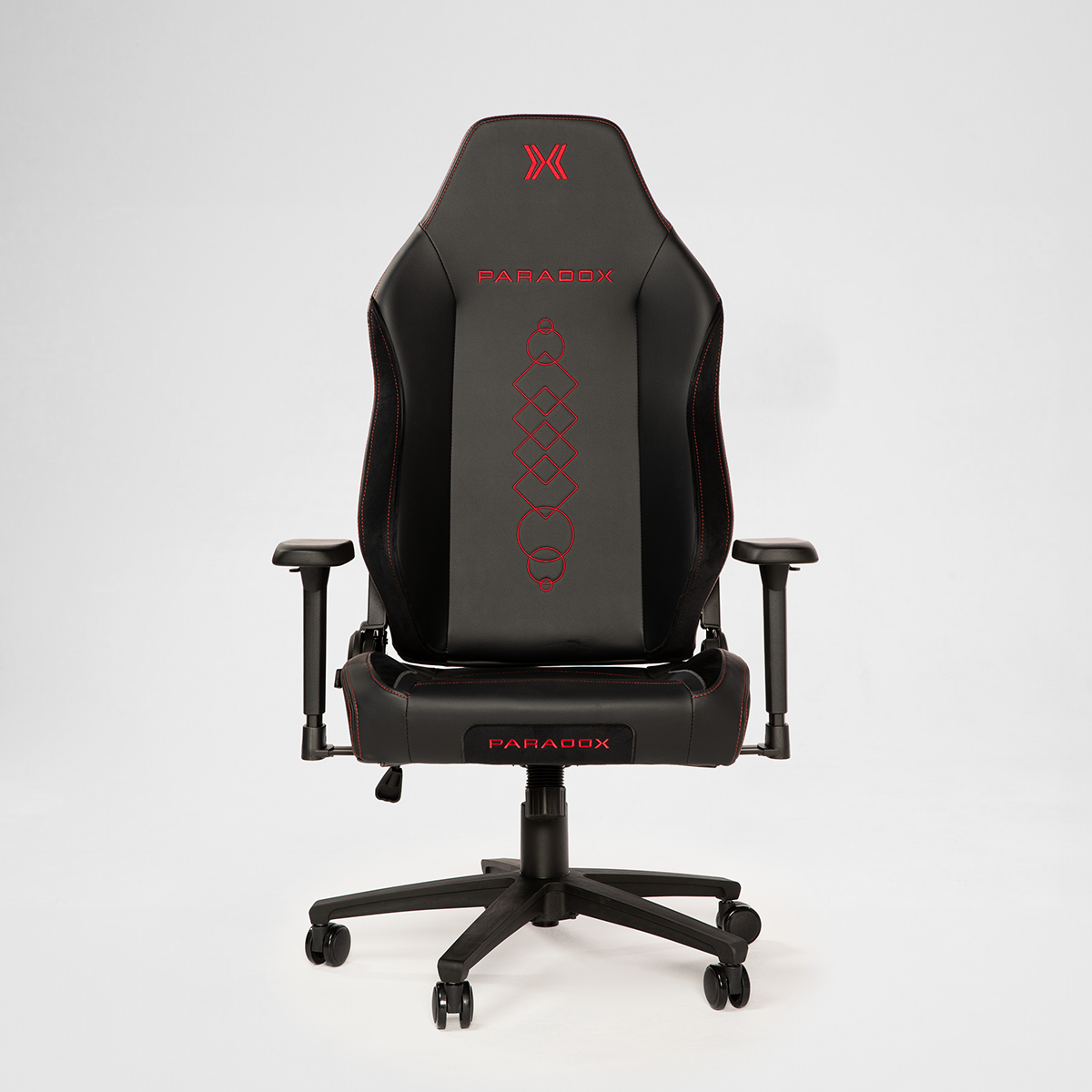
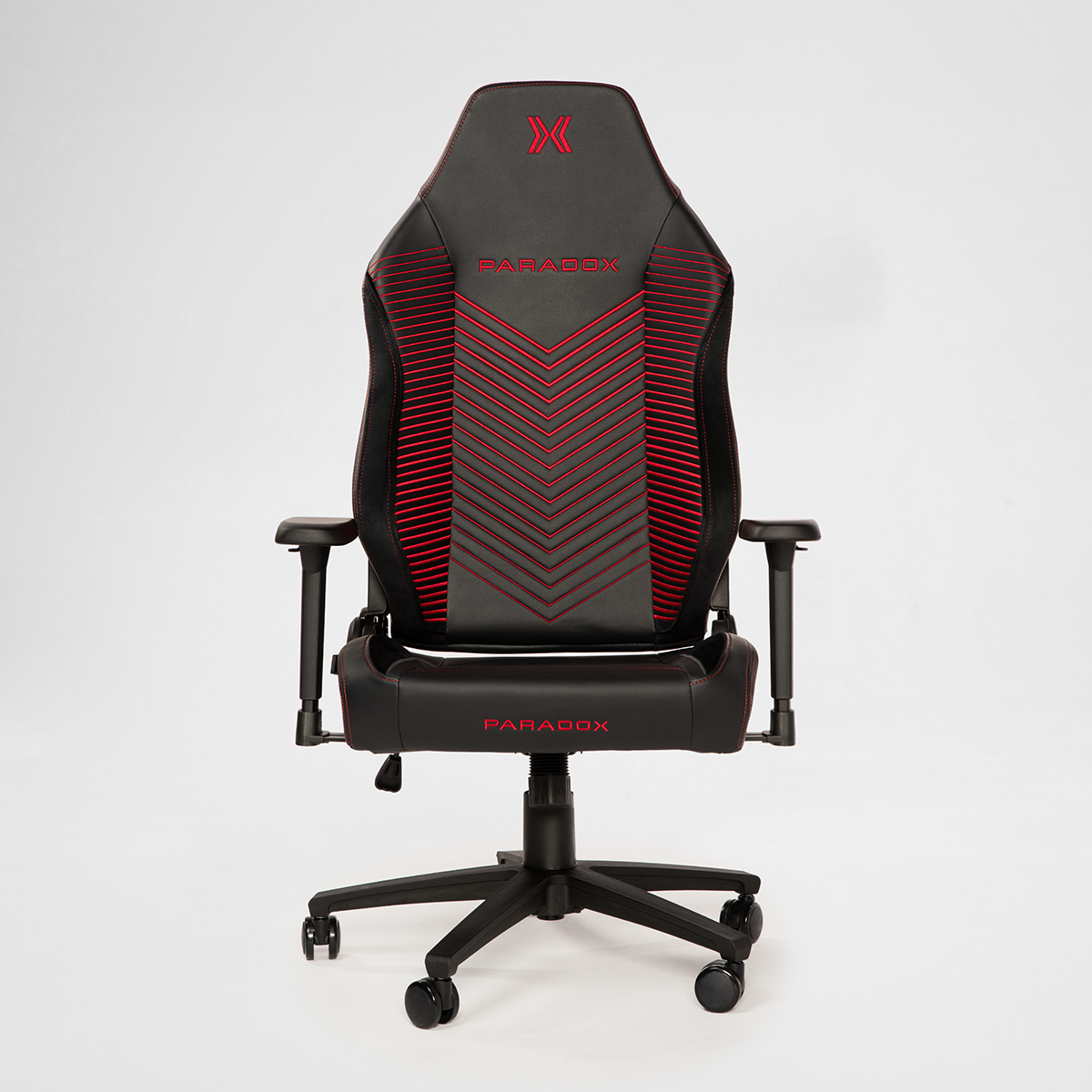
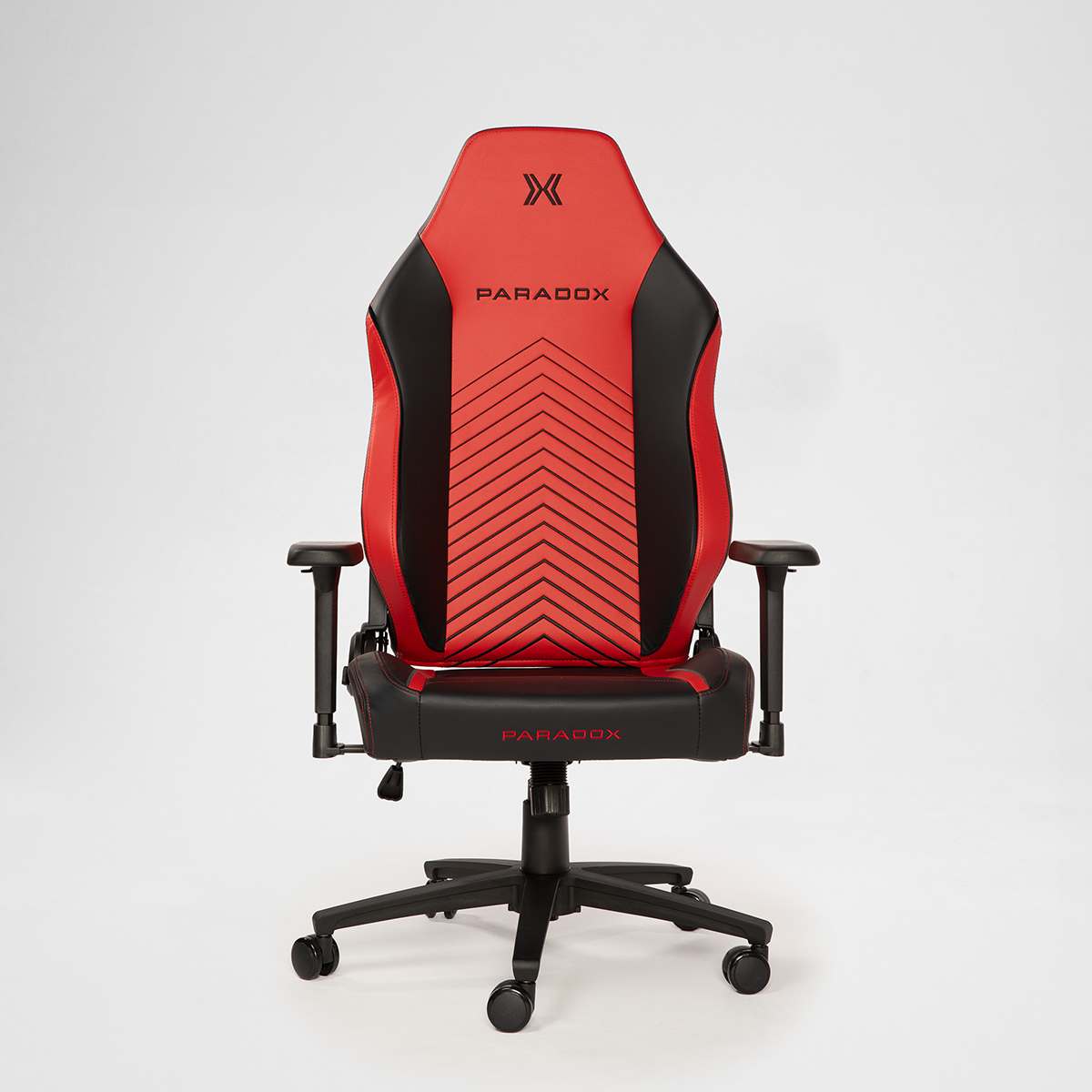
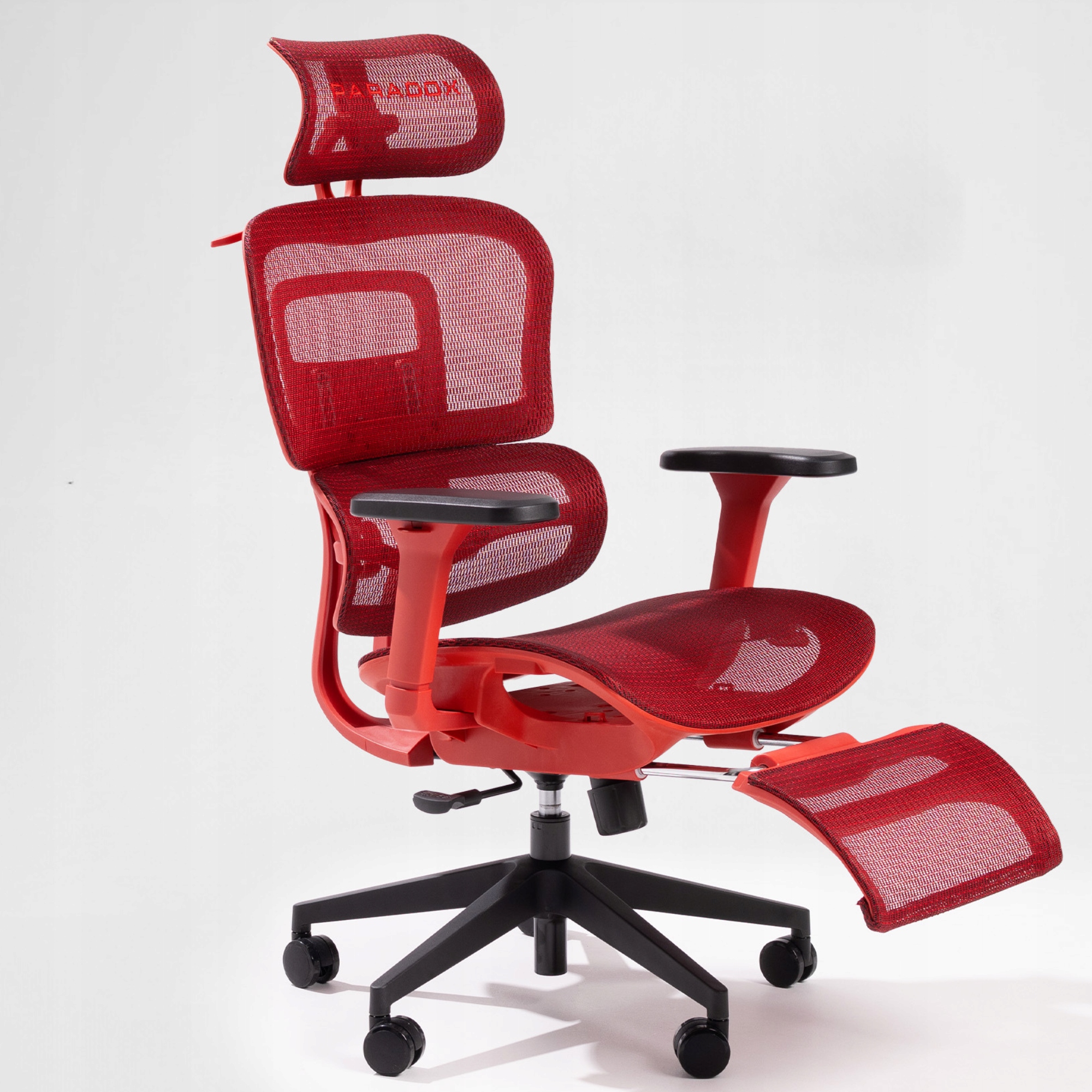
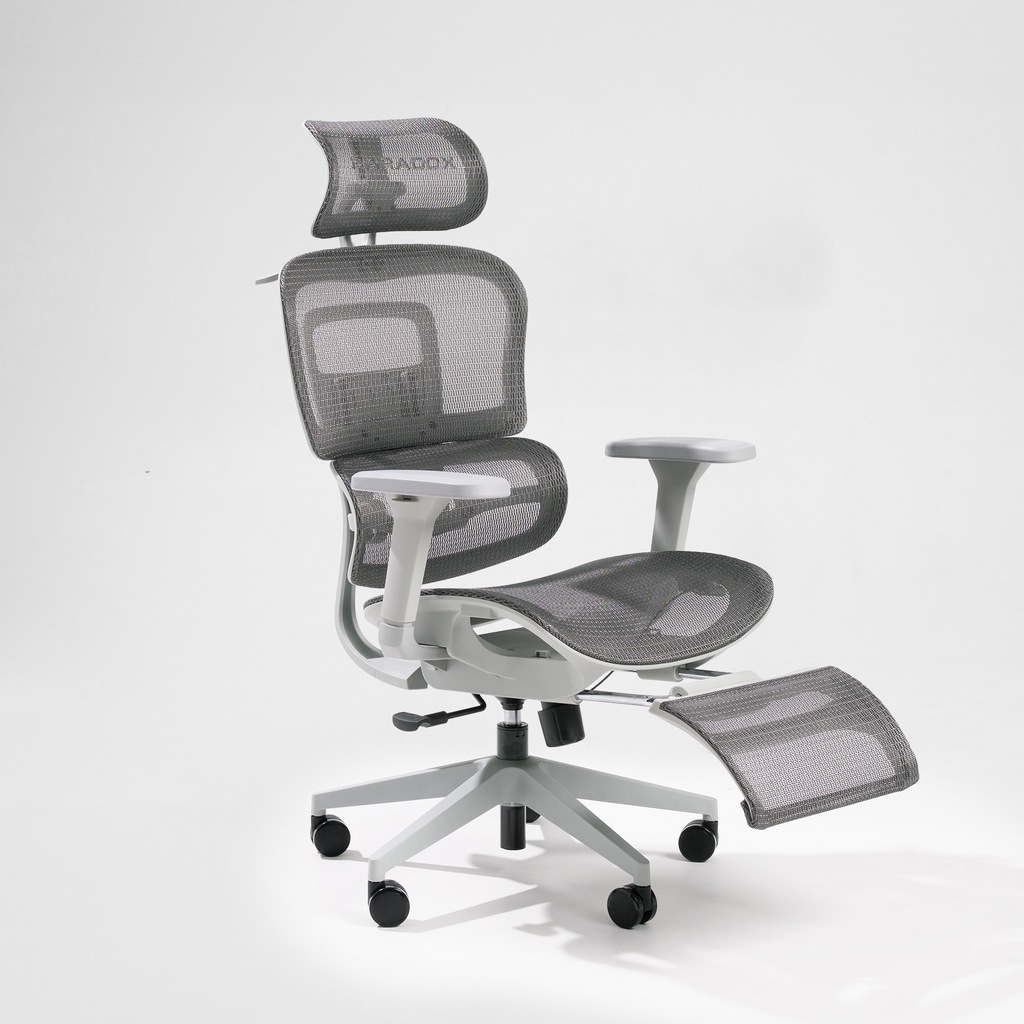
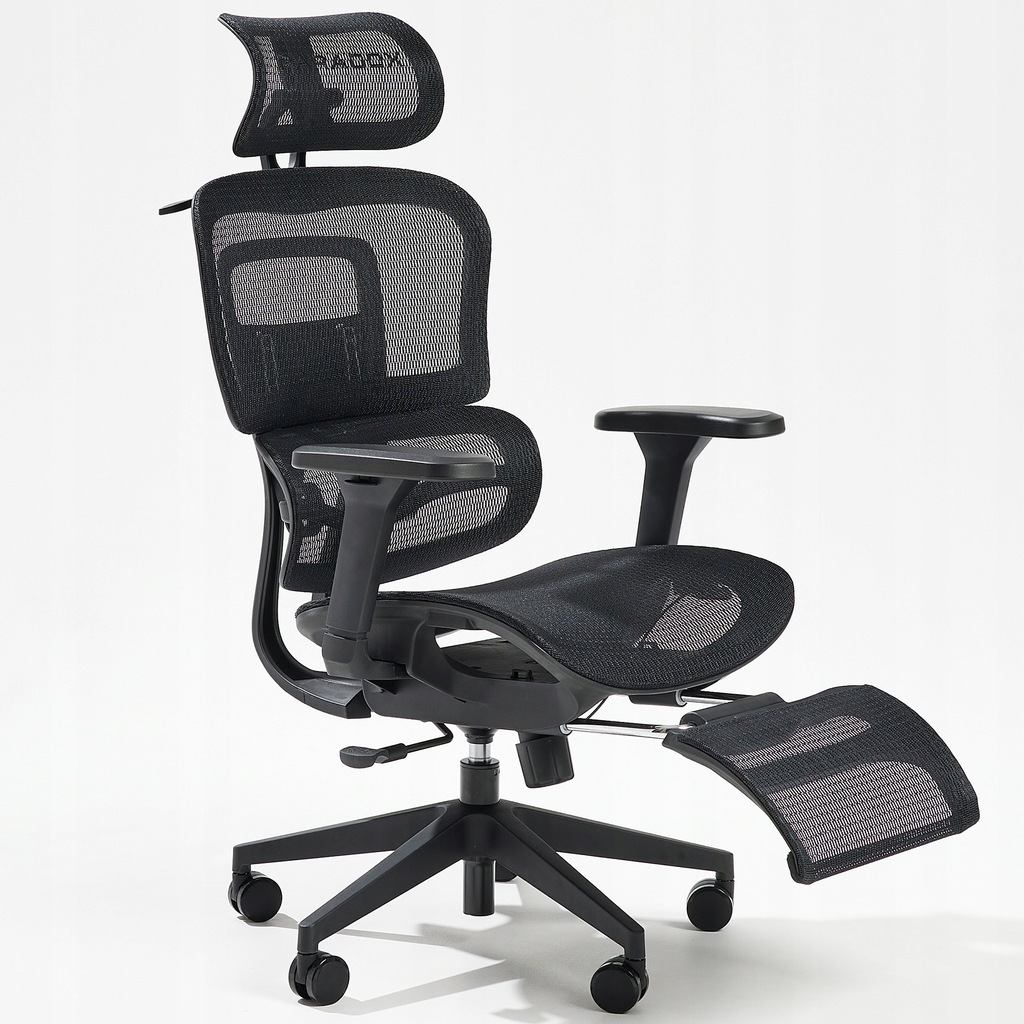
Paradox24, headquartered in Warsaw, designs and certifies its chairs to both EN 1335 and BIFMA standards. The Ergo Milano Pro (€599) and Ergo One (€369-399) are both fully certified, and the company can provide test documentation on request — a level of transparency that many competitors at similar price points don’t match.
For B2B procurement, additional advantages include:
- EU-based shipping from Poland — faster delivery, no customs complications for EU buyers.
- Polish BHP compliance verified — relevant for domestic office furnishing projects.
- 100-day return policy — enabling genuine pilot testing before committing to larger orders.
- Multi-year warranties (3-5 years depending on model) — reducing total cost of ownership.
The Cost of Ignoring Certifications
Let’s talk numbers. The annual economic burden of low back pain alone exceeds $200 billion worldwide, with $34 billion in direct medical costs in the US for back pain specifically. While not all of this is attributable to office chairs, research confirms that office workers spend roughly two-thirds of their working hours sitting — and the quality of that seating directly affects musculoskeletal outcomes.
For an employer, the math is straightforward:
- A single back pain-related sick day costs more than the price difference between a certified and uncertified chair.
- Workers’ compensation claims for chronic back pain can run into thousands of euros per case.
- Employee productivity loss from discomfort — harder to quantify, but estimated at 4-5 hours per week for workers in pain.
Certified chairs don’t guarantee zero back pain (no chair can do that). But they guarantee that the chair meets minimum standards for adjustability, safety, and durability — removing the cheapest and most harmful options from consideration.
Beyond the Chair: EN 527 and Complete Workstation Standards
For completeness, if you’re furnishing a full office, the chair is just one component. Related standards include:
- EN 527: Office desks and tables — dimensions and safety requirements.
- EN 1023: Office furniture screens.
- ISO 9241-5: Ergonomic requirements for office work with visual display terminals — workstation layout and postural requirements.
A truly ergonomic workstation combines a certified chair, an appropriately sized desk, proper lighting, and correct monitor placement. The chair is the single most important element, but it doesn’t operate in isolation.
Summary: What You Need to Know
- EN 1335 is the European standard for office chairs. It covers dimensions (Part 1), safety and durability (Part 2), and test methods (Part 3). Look for Type A or Ax for task chairs used regularly.
- ANSI/BIFMA X5.1 is the American equivalent. Compliance means the chair has been independently tested for safety and performance. Valuable as additional assurance alongside EN 1335.
- Certifications are independently verified — they’re not self-reported specs or marketing claims.
- For employers: Certified chairs are a compliance requirement, a liability shield, and an investment in employee health.
- For individuals: Certifications mean the chair has been proven to last and proven to be safe. It’s the closest thing to a “quality guarantee” in the furniture world.
When a chair proudly displays its certifications — like the Paradox24 ergonomic range with its EN 1335, BIFMA, and BHP compliance — it’s not just marketing. It’s proof that the chair has survived testing designed to simulate years of real-world use, conducted by labs that have no financial interest in the result.
That’s worth more than any influencer endorsement.